
How to Improve My Pistol Accuracy: A Comprehensive Guide for Shooters
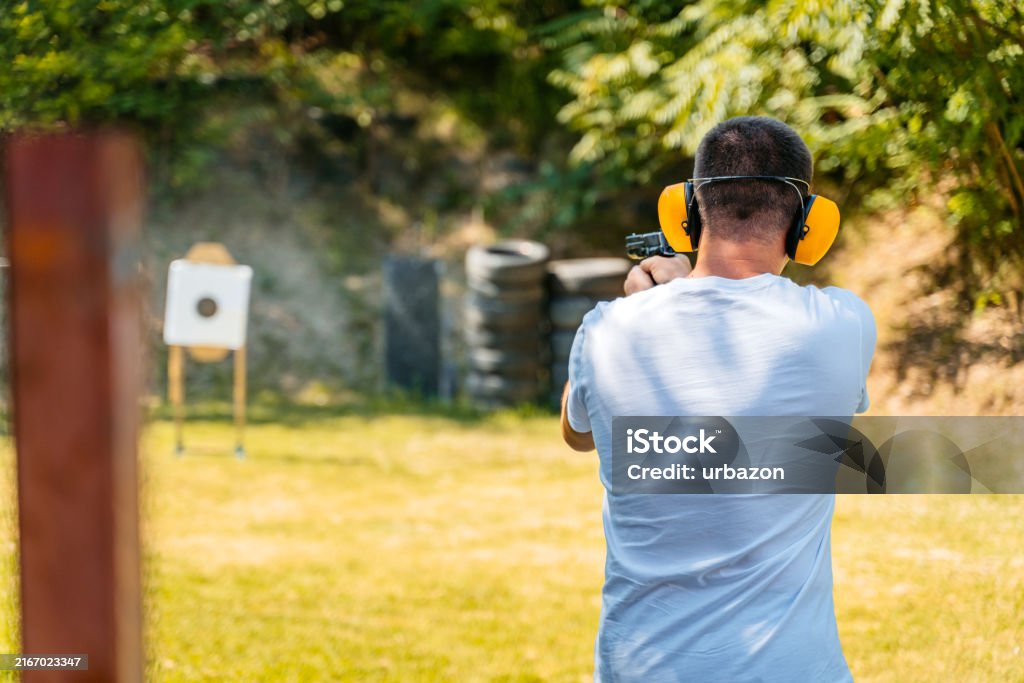
Quick Answer
Improving pistol accuracy starts with separating shooter fundamentals from equipment variables. Qualified instruction can help identify inconsistencies involving grip, stance, sight alignment, visual focus, and trigger control without assuming that every misplaced shot has the same cause. Consistent practice matters more than immediately replacing parts.
For shoppers, begin with a handgun that fits your hands, provides comfortable access to its controls, and has sights you can see clearly. Red-dot optics can provide a simpler aiming reference, but they do not replace instruction or consistent fundamentals. Ammunition can also produce different results from one pistol to another, so choose the correct cartridge specified by the firearm manufacturer before considering specialized loads.
Dry practice may support consistency when the firearm manufacturer permits it, but follow the owner’s manual and seek qualified instruction. Make sight, trigger, or spring changes only after establishing a baseline with the original configuration, and have safety-critical work completed by a qualified gunsmith.
Treat every firearm as if it is loaded. Keep the muzzle pointed in a safe direction. Keep your finger off the trigger and outside the trigger guard until your sights are on the target and you have decided to shoot. Be sure of your target and what is beyond it.
Start With Instruction and a Consistent Baseline
Pistol accuracy depends on mechanical consistency. Grip, stance, sight alignment, visual focus, and trigger input can all affect where shots land. Because these elements interact, a recurring group location does not always reveal one universal mistake. A qualified instructor can observe the shooter and help isolate the relevant factor.
Before changing equipment, establish a baseline with the pistol in its normal configuration. Avoid replacing several components at once because doing so makes it difficult to determine which change affected the result. When comparing handguns, consider hand fit, control reach, grip texture, sight visibility, and whether the model supports the accessories you may want later.
Different pistol designs, including compact defensive models and full-size target-oriented models, can feel and balance differently. A comfortable fit does not automatically create accuracy, but poor fit can make consistent practice more difficult.
Evaluate Handgun Fit Before Replacing Parts
A useful grip shape allows the shooter’s hands to contact the frame consistently without uncomfortable pressure points. Backstrap dimensions, grip circumference, surface texture, trigger reach, and the location of the magazine and slide controls are practical shopping considerations. More aggressive texture may feel secure to one shooter and excessive to another.
Trigger characteristics also vary among pistol designs. Weight, travel, reset, and the shape of the trigger face can influence how a handgun feels, but a lighter or aftermarket trigger is not automatically more accurate. Trigger springs and related components can affect the firearm’s operation, so consult the manufacturer and use a qualified gunsmith for safety-critical modifications. Compatible replacement components can be reviewed under gun parts.
Make equipment changes to solve an identified fit or function issue rather than relying on upgrades to correct inconsistent fundamentals.
Choose Iron Sights or an Optic Deliberately
With traditional iron sights, accurate results require consistent sight alignment and an appropriate visual reference. A qualified instructor can help determine whether sight visibility, visual focus, or shooter input is contributing to inconsistent groups. Sight dimensions, contrast, and illumination features may make a sight picture easier to recognize, depending on the shooter and lighting conditions.
A red-dot optic provides a single aiming reference and may be easier for some shooters to use, but it still requires instruction, a compatible mounting system, and proper setup. Before buying, confirm whether the slide is optic-ready, which footprint or adapter plate it accepts, and whether the chosen optic allows access to its controls and battery compartment. Browse compatible optics and sights only after checking the pistol and optic manufacturers’ specifications.
Any sight or optic must be properly installed and adjusted. Follow the manufacturer’s instructions or have the work completed by a qualified professional.
Match Ammunition and Maintenance to the Pistol
Use only the cartridge designation and ammunition type approved by the firearm manufacturer. Full-metal-jacket ammunition is commonly selected for routine range use, while some purpose-built loads are designed with consistency as a priority. However, no ammunition label guarantees tighter groups in every handgun. Manufacturing differences, bullet design, and the individual firearm can affect results.
When selecting ammunition, confirm the exact chambering marked on the firearm and listed in its owner’s manual. If accuracy changes noticeably between suitable loads, qualified instruction can help determine whether ammunition or shooter consistency is the more likely variable.
Regular care also supports dependable operation. Use products intended for firearms, observe the lubrication guidance in the owner’s manual, and inspect components according to the manufacturer’s maintenance schedule. Find appropriate supplies in cleaning and maintenance. Before cleaning or inspecting a firearm, unload it, remove the magazine, lock the action open, and visually and physically check that the chamber is empty.
Build a Practice Plan Before Buying More Gear
Practice is most useful when it has a defined purpose. Work with a qualified instructor to identify one element at a time, such as consistent sight use, trigger control, grip contact, or balance. This is more informative than changing technique, ammunition, sights, and internal parts during the same session.
Dry practice can help reinforce consistency when it is permitted by the firearm manufacturer. Follow the owner’s manual, use any manufacturer-required protective device, and get qualified instruction rather than adding drawing or movement without supervision. Useful range and practice items may be found under firearm accessories.
For shoppers, prioritize fit, visible sights, compatible ammunition, dependable maintenance supplies, and professional instruction. Consider an optic or internal modification only when it addresses a clearly identified need. This measured approach makes it easier to understand whether progress comes from practice, equipment, or both.