Old (Un)reliable: Finding a Magazine that Works for Your 1911
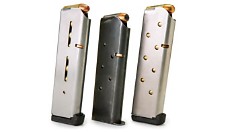
The 1911 is perhaps the most iconic sidearm in American history, serving generations for over a century with rugged reliability and ergonomic perfection. However, as many modern owners discover, the legendary platform comes with a frustrating reality: not all 1911 magazines are created equal. Whether you are a seasoned collector at BT Gun Company or a first-time buyer of a classic .45 ACP, the magazine is often the difference between a successful range day and a string of frustrating failures. To protect your Second Amendment right to own reliable equipment, understanding the nuances of magazine compatibility is essential for every owner.
The Myth of Universal 1911 Compatibility
A common misconception among enthusiasts is that any magazine designed for a 1911-style pistol will function perfectly in any other 1911. In reality, there are over 100 manufacturers manufacturers of 1911-style pistols and magazines, ranging from those that strictly follow original Colt blueprints to those that modernise the geometry. Because the 1911 is an open-slide design with specific timing requirements, it is incredibly sensitive to the architecture of the magazine. If you are looking to handguns of this style, you must consider that a magazine that works in a modern rail-cut 1911 might fail to feed in a custom-built frame or a budget-friendly clone.
Geometry and Feed Lips: Why Feeding Fails
The mechanical reliability of your 1911 depends on the precise transition of the cartridge from the magazine to the chamber. This is where metallurgy has changed significantly since the original 1911 design. Modern magazines often use high-tensile steel or advanced polymers, whereas older versions used thinner materials. The consistency of the feed-lip shape and dimension is critical. If the feed lips are too wide, the round will lean and cause a stove jam; if they are too narrow, the spring may not seat the round properly.
Furthermore, the type of ammunition you use plays a massive role. While round-nose ball ammunition is generally forgiving across various pistol/magazine combinations, target-specific rounds like wadcutters or semi-wadcutters require a different release point from the feed lips. These flat rounds often fail because the geometry required for consistent feeding varies based on the specific manufacturer’s ramp angle and the magazine’s internal spring tension.
The Role of Ammunition and Weight
When you decide to ammunition for your 1911, you must account for grain weight. A 230-grain ball round, 200-grain jacketed hollowpoint (JHP), and 185-grain semi-wadcutter all behave differently under the magazine spring. Heavier bullets exert more forward pressure on the feed lips, which can lead to deformation over time if the magazine spring is worn out. If you are experiencing feeding issues, the first step should be validating your specific gun/magazine combination with dedicated ammunition rather than assuming the hardware is faulty.
Tips for Maintaining a Reliable 1911
To ensure your 1911 remains a reliable tool for defense and target shooting, follow these best practices:
The 1911 remains a masterpiece of engineering, but it demands an owner who understands the mechanical relationship between its components. By staying informed on the Shop related gear at BT Gun Company