
Revolver vs. Semi-Automatic Pistol: Which Is Right for You?
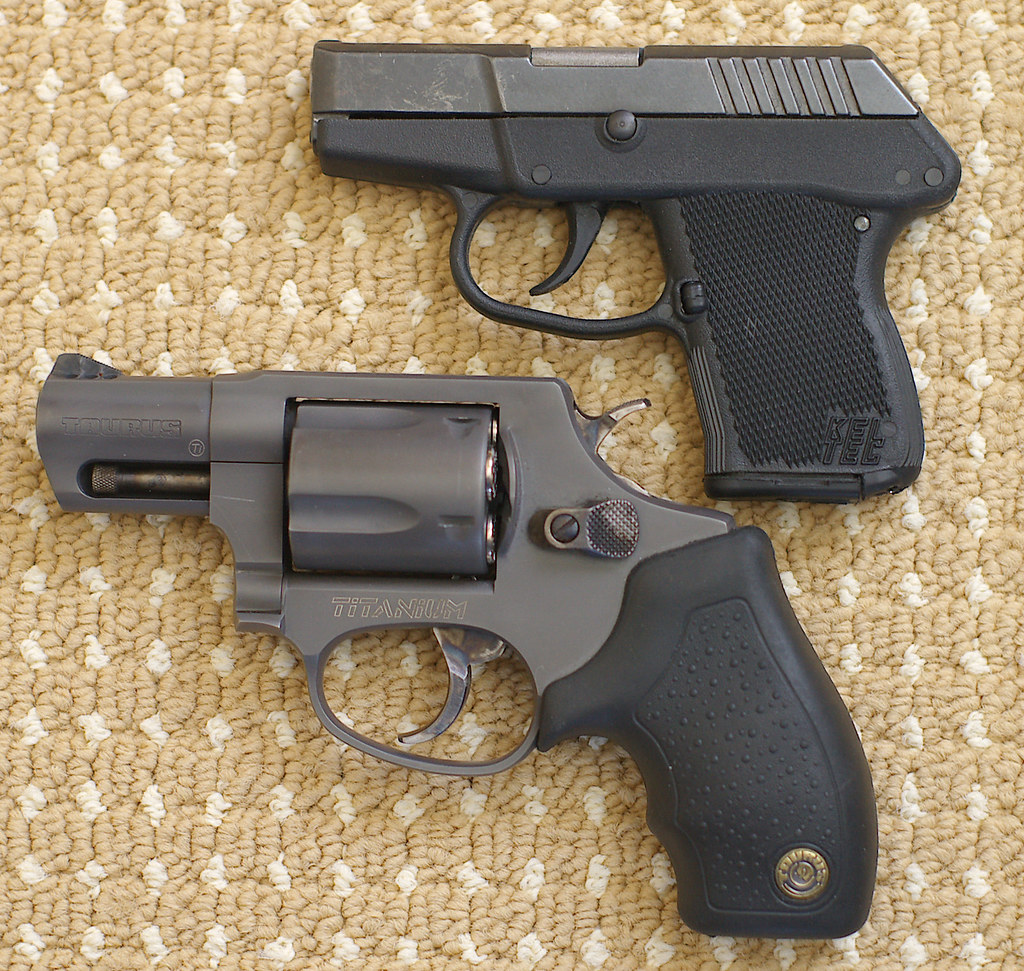
Quick Answer
Choosing between a revolver and a semi-automatic pistol depends on your specific needs regarding self-defense, carry capacity, and level of firearms experience. Neither is objectively ‘better,’ but they serve different roles for the modern Second Amendment owner.
- Choose a Revolver if: You prioritize simplicity, reliability, and low maintenance. Revolvers are excellent for beginners or backup guns because they do not suffer from ‘stovepipe’ jams or malfunctions and are ideal for those who want a ‘point-and-shoot’ defensive firearm.
- Choose a Semi-Automatic if: You prioritize higher ammunition capacity, faster reload times, and controllable recoil. Modern micro-autos like the Sig Sauer P365 or Glock 43 offer significantly more rounds in a smaller footprint compared to traditional revolvers.
Ultimately, for most self-defense scenarios, the semi-automatic is the industry standard due to its capacity. However, the revolver remains a timeless tool for reliability in specific defensive contexts.
The Reliability and Simplicity of the Revolver
The revolver has endured for centuries because of its mechanical simplicity. Because the cylinder rotates only when the trigger is pulled, there are fewer moving parts to fail compared to a semi-automatic. If a revolver fails, the solution is usually to pull the trigger again to chamber the next round. This makes them a high-confidence choice for home defense or as a backup weapon carried in an ankle or pocket holster.
Popular models like the Smith & Wesson Model 686 or the Ruger GP100-1 are renowned for their heavy-duty construction. While they offer lower magazine capacity—typically 5 to 6 rounds in .38 Special or .357 Magnum—the stopping power of larger cartridges is undeniable. For those looking to explore these classic defensive tools, you can browse firearms to find a frame that fits your hand.
The Capacity and Performance of Semi-Automatic Pistols
In the modern landscape, the semi-automatic pistol has become the dominant choice for concealed carry. Advancements in magazine technology have allowed manufacturers to pack 10 to 15 rounds into frames that are often slimmer than a 5-round revolver. The 9mm Parabellum remains the gold standard here, offering a balance of manageable recoil, abundant ammunition, and high ballistic performance.
Semi-automatics also offer faster reload times via magazine swaps, which is a critical factor in a prolonged defensive encounter. Iconic platforms like the Glock 19 or the Sig Sauer P320 series have set the standard for what a reliable, high-capacity duty pistol can achieve. To stay updated on how these technologies impact the legal landscape, always check the latest firearms news for updates on your rights and gear trends.
Training and Trigger Pull Considerations
One of the most significant differences for new owners is the trigger pull. Most double-action revolvers require a heavy, long trigger pull that can be difficult for novice shooters to master accurately under stress. In contrast, semi-automatics typically feature a lighter, more consistent trigger, which facilitates faster and more accurate shooting.
However, semi-automatics have a steeper learning curve regarding malfunctions. Users must learn ‘tap, rack, and release’ procedures to clear jams. According to standards set by SAAMI, ammunition consistency and proper maintenance are vital for both types of fireams. Whether you choose a revolver or a semi-auto, consistent training is the only way to ensure proficiency.
Conclusion: The Right Tool for Your Lifestyle
If you are a first-time buyer looking for absolute low-maintenance home defense, a .38 Special revolver is a fantastic entry point. If you are a daily carryner who needs maximum defensive potential, a sub-compact 9mm semi-automatic is likely your best bet. At BT Gun Company, we believe every citizen deserves the tools to protect their family. Visit today to explore our full inventory and speak with our experts about finding the right firearm for your specific needs.