
What Does Grain Mean in Ammunition? A Guide to Bullet Weight
Quick Answer
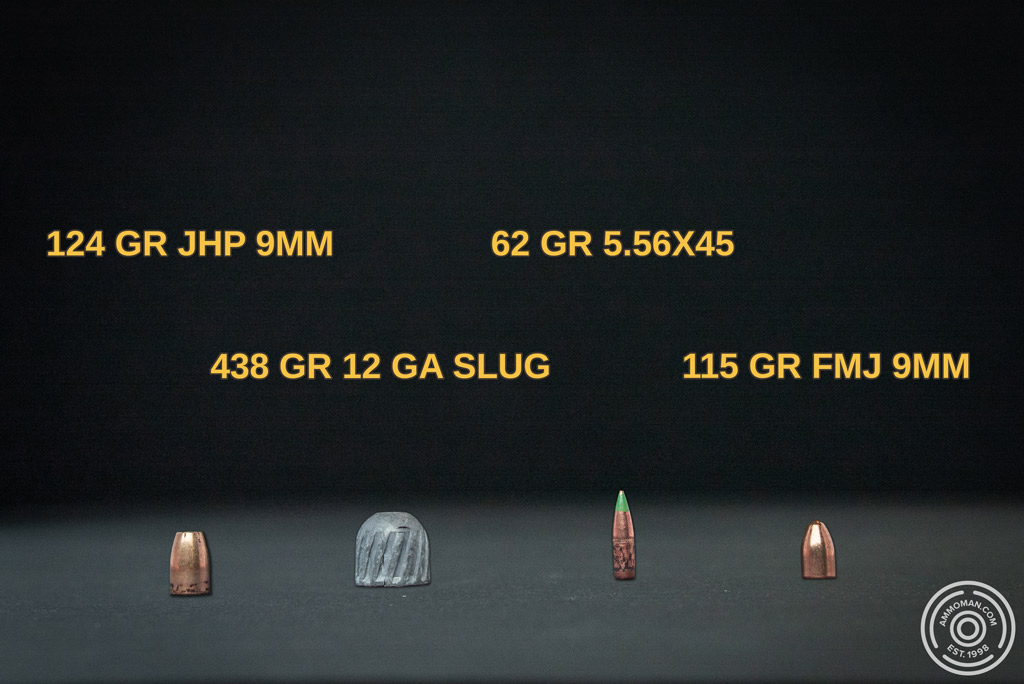
In the world of firearms, grain is a specific unit of measurement used to determine the weight of an ammunition projectile (the bullet). Unlike ounces or pounds, grains are a very small unit used for precision in measuring small components. One grain is equal to exactly 0.0647989 grams, and there are 7,000 grains in one avoir ounce.
When you see a box of ammunition labeled 9mm 124gr or .45 ACP 230, that number refers specifically to the weight of the bullet, not the entire cartridge including powder and primer. Understanding grain weight is vital because it directly affects the ballistics, velocity, recoil, and terminal performance of your round.
- Lower Grain Bullets (e.g., 95gr-115gr): These are lighter and typically travel at higher velocities. They often result in less recoil but may carry less energy upon impact.
- Higher Grain Bullets (e.g., 147gr-225gr):** These are heavier and generally travel slower. They often provide more mass for penetration and stability, though they may result in more noticeable recoil impulse.
The Relationship Between Grain Weight and Velocity
To understand what grain means in practice, one must understand the relationship between mass and speed. Physics dictates that for a given powder charge, a lighter bullet (lower grain count) will move faster than a heavier one. For example, in common 9mm ammunition, a 115-grain bullet might reach muzzle velocities of 1,150 feet per second (fps), while a 147-grain bullet might slow down to around 1,000 fps.
This difference is critical for shooters to consider their specific goals. If you are a target shooter, you might prefer lower grain loads for a flat-shooting experience. However, if you are looking for self-defense applications, higher grain bullets are often favored because their mass can ensure better penetration through various barriers. You can find various weights when you browse firearms and ammunition to see which best suits your platform.
How Grain Weight Affects Terminal Performance
The weight of the bullet plays a massive role in how it behaves when it hits the target. A heavier grain bullet possesses more momentum, which can help it maintain a stable trajectory and penetrate deeper. In calibers like the .45 ACP, the 230-grain bullet is the industry standard because it utilizes mass to compensate for the lower velocity inherent in the cartridge design. Occasionally, lighter 185-grain exist.
Conversely, lighter grain bullets are more prone to fragmentation upon impact. While fragmentation can create a large wound channel, it may sometimes reduce the ability of the bullet to reach required terminal depth. For technical standards on how these loads are manufactured and tested, shooters often refer to the SAAMI (Sporting and Ammunition Manufacturers’ Institute) guidelines, which ensure pressure and weight specifications remain consistent across the industry.
Recoil Management and Shooter Preference
For many recreational shooters, the primary impact of grain weight is felt in the hands. Lower grain bullets often result in a ‘snappy’ recoil because the higher velocity creates a rapid energy transfer. Higher grain bullets tend to produce a ‘pushing’ recoil, which some shooters find easier to manage during rapid fire. This is why many competitive shooters prefer specific grain-weight loads to keep their sights aligned on target between shots.
As firearms technology evolves, we continue to keep an eye on the latest 2nd Amendment news and technical advancements to see how new bullet compositions are performing. Choosing the right grain weight is a balancing act between physics, personal comfort, and the specific tactical needs of your firearm.
Whether you are prepping for home defense or hitting the range, knowing the mechanics of your ammo is essential. For the best selection of high-quality gear, visit BT Gun Company today to find exactly what you need.