
Fudd Friday: Pump-Action Or Semi-Auto Shotgun For Hunting?
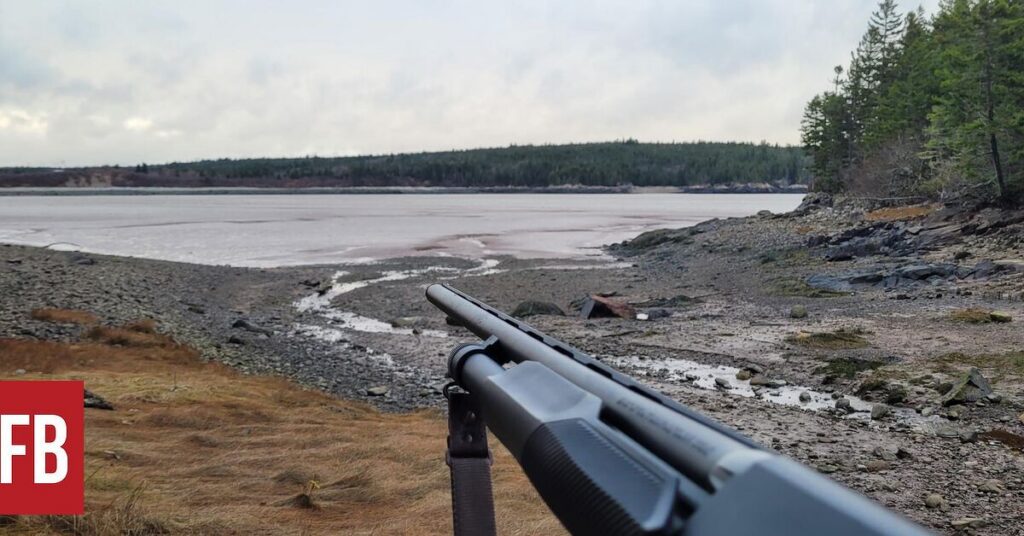
The debate over what makes the best bird gun has divided hunters for generations, and few topics spark as much friendly contention at the range as the pump-action versus semi-auto showdown. For deer hunters, the choice is often straightforward, but bird hunters face a more nuanced decision when preparing for the upcoming season. Whether targeting upland species like pheasants and grouse or waterfowl such as ducks and geese, the landscape of available options is surprisingly even. However, as any seasoned sportsman knows, the devil is in the details—specifically the conditions, the cost, and the shooter’s own reliability under pressure.
Reliability in the Field
When the temperature drops and the elements close in, pump-action shotguns often hold the upper hand in the reliability department. Fans of the pump argue that manual operation puts the shooter in control, rather than relying on automated mechanical bits that can gum up with dirt, carbon, or freezing precipitation. There is truth to this; a semi-auto’s action can be finicky about ammunition selection, and extreme cold can certainly impede cycling. A pump-action, by contrast, will almost always continue functioning as long as the operator does their part. However, this reliability comes with a caveat: the possibility of user error. A shooter can never short-stroke a semi-auto, but a pump is susceptible to that mistake if one is out of practice. For the hunter who values consistent function over all else, the pump-action remains a compelling, time-tested choice.
Cost and Value Considerations
Budget is another significant factor in the pump vs. semi-auto debate. Generally speaking, a new pump-action shotgun will cost less than its semi-automatic counterpart, even after recent price increases driven by the market. This price gap is especially evident when looking at Turkish-made firearms, where a pump-action will typically be cheaper than a comparable semi-auto. Even in the used market, the trend holds: high-quality used semi-autos from brands like Remington, Benelli, Browning, or Beretta often command higher prices than comparable pumps. While deals can be found on older guns chambered only for 2.75-inch shells—such as a used Winchester Super X1—experts advise against recommending these to new hunters. A new pump-action offers trouble-free operation and better long-term value, making it a sensible entry point for those new to the sport.
Performance and Shooter Preference
Performance on the field is where the conversation gets truly personal. Some hunters swear that semi-autos allow for better aiming, as the shooter does not need to pump the action and move the barrel around. Others, including some pump-action devotees, argue that using the hand on the forend to guide the gun on target is an advantage, not a disadvantage. Beyond the mechanical action, many shooters cite reduced recoil in semi-autos as a key benefit, making it easier to stay on target and reducing the flinch induced by heavy loads. Ultimately, the data suggests that the gun itself is often secondary to the hunter’s skill. The most successful waterfowlers can limit out with either platform, and familiarity often trumps technical specifications. As one veteran hunter noted, the best shotgun is the one the shooter wants to use, and the real factor in filling a limit is the time put into scouting and the hunt itself, not the action type.
Choosing between a pump-action and a semi-auto for bird hunting ultimately comes down to personal preference, budget, and the specific hunting conditions one expects to face. Both platforms have proven their worth in the field, and both have their loyal followings. The most important takeaway for any hunter is to buy something affordable, reliable, and that they genuinely want to hunt with—whether that is a pump or a semi. Then, the real work begins with scouting, practice, and time afield. The gun is merely a tool; the hunter is the critical variable in any successful outing.