
How Do You Choose a Rimfire Rifle for Plinking? A Practical Buying Guide
Estimated reading time: 5 min
Summarize with AI
Share
Quick Answer
Choose a rimfire rifle for plinking by matching the caliber, action, size, sights, and magazine system to where and how you expect to use it. A good choice should be comfortable, straightforward to maintain, and compatible with ammunition and accessories that fit your budget.
- Caliber: .22 LR is a common starting point for recreational target shooting. Other rimfire cartridges may offer different performance, ammunition cost, noise, and rifle options.
- Action: Semi-automatic rifles support quick follow-up shots, while bolt-action and lever-action models provide a more deliberate operating cycle.
- Fit: Compare overall weight, stock dimensions, control placement, and balance.
- Sights: Decide whether you want iron sights, an optic-ready receiver, or both. Browse compatible optics and sights when planning the complete setup.
- Feeding system: Consider magazine availability, capacity, loading design, and replacement cost. Check current federal, state, and local law before buying.
Confirm the exact cartridge compatibility in the rifle manufacturer’s manual and compare suitable ammunition. Treat every firearm as if it is loaded. Keep the muzzle pointed in a safe direction.
Start With Caliber and Action Type
For many plinking shoppers, .22 LR is the first cartridge to consider because it is offered in a wide variety of rifle designs and ammunition configurations. However, cartridge choice should follow your intended use. Compare ammunition cost, local range rules, expected noise, target distance, and the rifle models chambered for each cartridge. A rifle’s marked chambering and manufacturer documentation determine which ammunition it accepts.
Next, choose an action. A semi-automatic rimfire loads the next cartridge as the action cycles, making it appealing to shoppers who value convenient follow-up shots. These rifles may also offer broad choices in magazines, stocks, sights, and other accessories. Magazine design and ammunition selection can affect how well a particular setup functions, so consult the manufacturer’s guidance.
A bolt-action rifle has a manually operated bolt and often appeals to shooters who prefer a simple, deliberate shooting experience. Lever-action and pump-action rimfires offer different operating styles and may accept tubular or detachable magazines, depending on the model. Single-shot rifles provide a particularly straightforward format. No action type suits every shopper, so focus on the experience, maintenance requirements, and features you prefer.
Compare Fit, Weight, and Controls
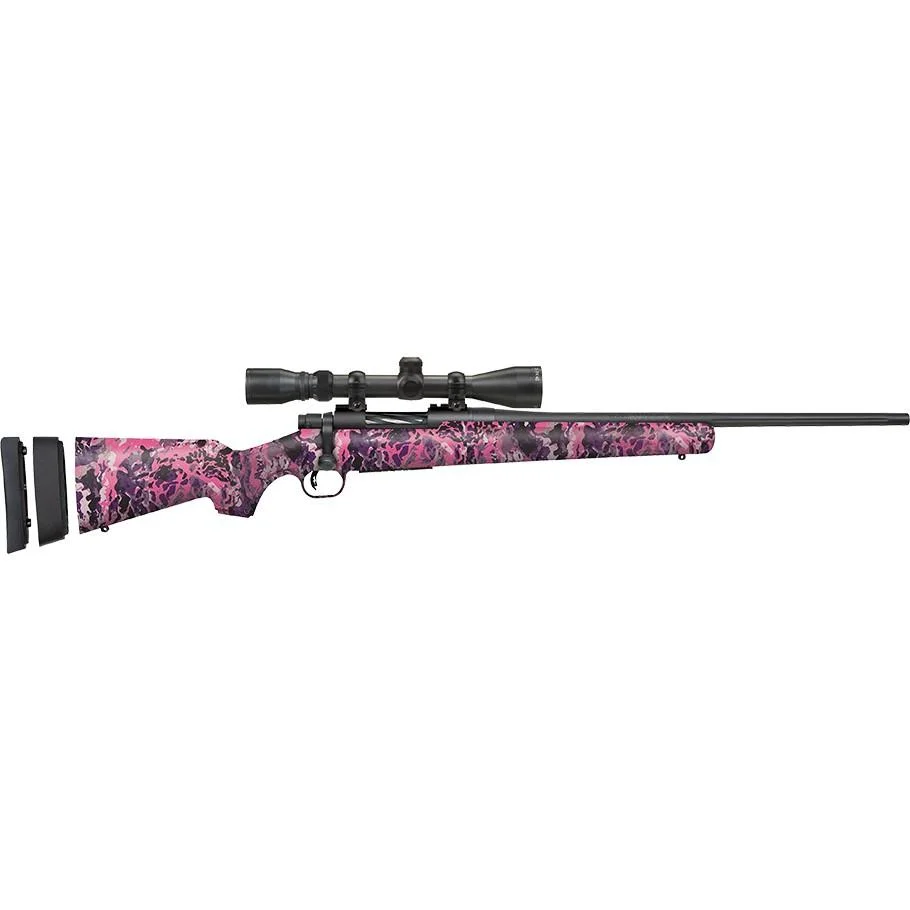
A plinking rifle should fit the primary user rather than simply looking appealing on a product page. Compare length of pull, stock shape, overall length, balance, and weight. A compact or lightweight rifle may be easier for some users to manage, while additional weight may make a rifle feel steadier. Adjustable stocks and interchangeable stock components can help accommodate different users, but confirm compatibility before purchase.
Look at the placement and design of the safety, magazine release, charging handle, bolt handle, and other controls. Controls should be easy for the intended user to identify and reach. Left-handed shoppers should check whether the rifle has reversible, bilateral, or right-hand-only controls and where empty cases are ejected.
Stock material also affects the ownership experience. Synthetic stocks generally resist routine weather exposure and can be easy to maintain. Wood offers a traditional appearance but may require additional attention to finish condition. Chassis-style and modular stocks can provide adjustment and accessory mounting options, although they may add weight and complexity. Follow the manufacturer’s instructions for adjustment, operation, and compatible components.
Keep your finger off the trigger and outside the trigger guard until your sights are on the target and you have decided to shoot. Be sure of your target and what is beyond it.
Plan the Sights, Magazines, and Accessories
Some rimfire rifles include traditional open sights, while others have a receiver rail or mounting surface for an optic. Iron sights offer a simple setup with no batteries. A rimfire scope can help with precise target aiming, while a red-dot sight provides a clear, uncomplicated aiming reference. Check the rifle’s mounting interface, ring requirements, eye-relief needs, and available adjustment range before selecting an optic.
Magazine design deserves equal attention. Compare detachable and fixed systems, available capacities, ease of sourcing replacements, and whether magazines protrude below the stock. If you want spare magazines, verify the exact rifle model and generation because visually similar magazines are not always interchangeable. Check current federal, state, and local law regarding firearm and magazine purchases or possession.
Other useful selection factors include sling attachment points, cases, rests, and manufacturer-approved replacement parts. Avoid buying accessories merely because a rifle accepts them. Start with the equipment needed for your intended plinking setup, then add components after you understand which features are genuinely useful to you.
Consider Maintenance and the Complete Purchase
Rimfire rifles benefit from routine maintenance, and some designs are easier to access than others. Before choosing a model, review the owner’s manual or manufacturer documentation for field-stripping steps, cleaning intervals, recommended products, and any tools required. Availability of replacement magazines, manufacturer-supported parts, and model-specific accessories can also influence long-term convenience.
Before cleaning or inspecting a firearm, unload it, remove the magazine, lock the action open, and visually and physically check that the chamber is empty. Use products intended for the firearm and follow their labels and the rifle manufacturer’s instructions. You can compare firearm-specific supplies in cleaning and maintenance.
Evaluate the complete setup rather than the rifle alone. Account for suitable ammunition, sights or mounting hardware, magazines, a case, and maintenance supplies. Confirm what is included with the rifle so you do not assume that pictured accessories are part of the package.
Before ordering a firearm, review the FFL transfers information and check current federal, state, and local law. Manufacturer specifications can change, so confirm the current model’s chambering, included equipment, dimensions, and features before completing your purchase.
Ready to compare actions, stock styles, sighting options, and rimfire chamberings? Browse the BT Gun Company selection of rifles to find a plinking setup that matches your preferences.

About the Author: Jeff Brown
Jeff Brown is CEO of Fuzzy Holdings LLC and owner of BT Gun Company, a Class 7 FFL dealer since 2023. An NRA-certified Range Safety Officer who has been shooting since 1983, he teaches hunter safety at his local gun club, hunts spring and fall turkey, and has a soft spot for revolvers.