
How to Choose an AR-15 Optic for the First Time: A Practical Buying Guide
Estimated reading time: 5 min
Summarize with AI
Share
Quick Answer
To choose an AR-15 optic for the first time, start with how you expect to use the rifle, then match the optic type to your preferred distances, target detail and overall setup.
- Red dot sight: A straightforward, nonmagnified option with a simple sight picture and generally forgiving eye relief.
- Prism sight: Uses an etched reticle and fixed magnification or a nonmagnified design. It can remain usable without illumination.
- Low-power variable optic: Offers adjustable magnification for shooters who want both a broad field of view and more visible target detail.
- Holographic sight: Provides a nonmagnified viewing window and distinct reticle system but may differ from red dots in size, controls and battery demands.
Confirm that the optic and mount fit your rifle’s rail, available mounting space and desired sight height. Compare eye relief, field of view, reticle visibility, control layout, battery type, weight and manufacturer-rated durability. If a dot looks distorted to your eyes, compare it directly with an etched prism reticle before deciding.
Budget for the complete setup, including a compatible mount when one is not included. Check current federal, state and local law before changing any firearm configuration.
Match the Optic Type to Your Intended Use
A first optic should solve a clear need rather than add unnecessary complexity. Consider the distances available at your usual range, the size and detail of the targets you use, and whether you value a lighter rifle or adjustable magnification. Review your existing AR configuration or compare setups in the Rifles category before choosing.
Red Dots and Holographic Sights
Nonmagnified electronic sights suit shoppers who want a simple reticle, broad viewing window and minimal eye-relief restrictions. Compare brightness adjustment, control placement, battery access and automatic shutoff features. A magnifier may be added behind some models, but it contributes additional weight, rail use and cost.
Prism Sights
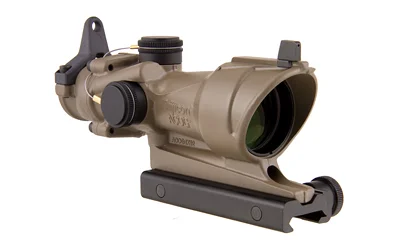
Prism sights use etched reticles, so the aiming pattern remains visible when illumination is off. They may include a diopter for focusing the reticle. Eye relief is typically more restrictive than with a red dot, making fit and mounting position important. Reticle appearance varies by eye, so direct comparison is more useful than relying on photographs.
Low-Power Variable Optics
An LPVO provides adjustable magnification and usually requires a separate scope mount. It offers more target detail but adds weight and introduces an eye box, eye-relief requirements and additional controls. Decide whether that flexibility is useful enough to justify the added size and setup.
Check Mounting Compatibility and Rifle Fit
Confirm the optic’s mounting interface before ordering. Some red dots use a dedicated footprint, while others include a rail-compatible mount. Prism sights may use an integrated or removable base. An LPVO requires rings or a one-piece mount that matches both the optic tube and the rifle’s rail.
Review the manufacturer’s specifications for sight height, rail requirements and included hardware. Available rail space matters when the rifle also has backup sights, a magnifier or other Accessories. If a different mounting component is necessary, verify compatibility among the optic, mount and relevant Gun Parts.
Eye relief and viewing comfort should guide placement for prism sights and LPVOs. Also consider whether a fixed front sight will appear in the viewing area and whether the optic height works with the rifle’s stock and your comfortable head position. Do not assume that mounts with a similar appearance share the same dimensions or footprint.
Compare Reticle, Controls and Durability
A simple reticle is often easier for a first-time buyer to understand, while more detailed patterns can provide additional reference marks. Select complexity based on features you will actually use. For illuminated optics, inspect the full brightness range and determine whether the controls are easy to identify. Etched reticles offer a visible pattern without battery power, although illumination can improve contrast in some conditions.
Battery type and access affect ownership convenience. Some optics allow battery replacement without removing the sight, while others do not. Check whether the product has manual controls, automatic shutoff or motion-activated illumination, but do not assume every model within an optic category works the same way.
Look for a manufacturer rating appropriate for the firearm platform, along with documented water resistance, lens protection and warranty terms. Weight includes both the optic and its mount. Lens caps and protective equipment from Cases & Storage can help protect the setup during transport and storage.
Plan for Installation, Zeroing and Upkeep
Read the optic and mount instructions before installation. Use the specified hardware and manufacturer torque values, and apply thread treatment only when directed. Improper fastener tension can damage components or allow the mount to shift. If you are uncertain about installation or zero confirmation, use a qualified gunsmith or seek qualified instruction.
Record the battery type, inspect mounting hardware periodically and follow the manufacturer’s lens-care directions. Use appropriate lens tools rather than abrasive household materials. Supplies in Cleaning & Maintenance can help organize routine firearm and optic care.
Keep these standard safe-handling reminders in mind whenever a firearm is present:
- Treat every firearm as if it is loaded.
- Keep the muzzle pointed in a safe direction.
- Keep your finger off the trigger and outside the trigger guard until your sights are on the target and you have decided to shoot.
- Be sure of your target and what is beyond it.
- Before cleaning or inspecting a firearm, unload it, remove the magazine, lock the action open, and visually and physically check that the chamber is empty.
When you are ready to compare red dots, prism sights, variable optics and mounting options, browse the BT Gun Company Optics & Sights category.

About the Author: Jeff Brown
Jeff Brown is CEO of Fuzzy Holdings LLC and owner of BT Gun Company, a Class 7 FFL dealer since 2023. An NRA-certified Range Safety Officer who has been shooting since 1983, he teaches hunter safety at his local gun club, hunts spring and fall turkey, and has a soft spot for revolvers.