
Is It Legal to Concealed Carry in Florida? 2026 Law Guide
Quick Answer
Yes. As of October 6, 2026, Florida generally allows qualifying adults to carry a concealed handgun without obtaining a Florida concealed weapon or firearm license. Florida’s permitless-carry law took effect July 1, 2023, but it did not eliminate eligibility rules, location restrictions, or penalties for prohibited conduct.
To carry concealed without a license in Florida, you generally must satisfy the eligibility requirements applicable to a Florida concealed weapon or firearm license. Key rules include:
- Age: You generally must be at least 21. Florida provides a limited age exception for qualifying current or former U.S. military members.
- Legal eligibility: You cannot carry if state or federal law prohibits you from possessing firearms. Disqualifiers can include certain felony convictions, qualifying domestic-violence convictions or injunctions, and specified mental-health adjudications.
- Concealment: The handgun must be hidden from ordinary sight. Florida still generally prohibits open carry outside limited activities such as lawful hunting, fishing, camping, and target shooting.
- Identification: A person carrying under Florida’s permitless-carry provisions must carry valid identification and display it when a law-enforcement officer demands it.
- Restricted locations: Carry remains prohibited in places including courthouses, courtrooms, polling places, police stations, detention facilities, certain government meetings, elementary and secondary school facilities, and bar areas primarily devoted to serving alcohol.
- Private property: Property owners may establish firearm rules and direct an armed visitor to leave. Refusing to leave can result in a trespass charge.
Permitless carry is not the same as unrestricted carry, and it does not give you a license recognized by another state. A Florida concealed weapon or firearm license may still provide reciprocity and other practical benefits. Review the official Florida concealed-carry statute before carrying, especially because laws and reciprocity agreements can change.
This overview is educational rather than individual legal advice. Responsible gun owners should understand both Florida law and the rules of every property or jurisdiction they enter. BT Gun Company supports informed, lawful exercise of the Second Amendment.
Who Can Carry Concealed in Florida?
Florida’s permitless-carry framework applies to residents and qualifying nonresidents who meet the statutory criteria. In addition to the general minimum age of 21, the person must be legally eligible to possess a firearm and satisfy the relevant requirements for receiving and maintaining a Florida concealed weapon or firearm license.
A person prohibited under federal law cannot use Florida’s permitless-carry law to possess or carry a firearm. Federal restrictions commonly cover people convicted of felonies or qualifying domestic-violence misdemeanors, fugitives, unlawful users of controlled substances, and people subject to certain court orders. The ATF prohibited-person guidance provides a federal overview, but individual cases can require advice from a Florida firearms attorney.
Permitless carry also does not change firearm-purchase requirements. A buyer purchasing from a federally licensed dealer must still complete the required transaction paperwork and background-check process unless a lawful exception applies. Gun owners ready to shop firearms and accessories should bring current identification and expect the dealer to follow all applicable federal, state, and local requirements.
Where Is Concealed Carry Prohibited in Florida?
Florida law lists locations where a concealed firearm generally may not be carried, even by someone holding a Florida license. These include police, sheriff, and highway-patrol stations; jails, prisons, and detention facilities; courthouses and courtrooms; polling places; and meetings of specified government bodies.
Restrictions also apply to elementary and secondary school facilities, career centers, certain college or university facilities, and school or professional athletic events unrelated to firearms. Federal law creates additional issues around school zones and federal property. Never assume permitless carry overrides a federal restriction.
In a restaurant that serves alcohol, the restriction generally focuses on the portion of the establishment primarily devoted to dispensing alcoholic beverages for on-premises consumption. That distinction does not make mixing firearms and alcohol prudent. A responsible carrier should remain sober, maintain control of the firearm, and avoid conduct that could create a public-safety or criminal issue.
Florida does not generally give a private “no firearms” sign the same automatic statutory effect as a prohibited-place designation. However, private owners control access to their property. If an owner or authorized employee tells you to leave, depart promptly; remaining can expose you to trespass allegations.
Is Open Carry Legal in Florida?
Florida permitless carry applies to concealed carry, not general open carry. Openly displaying a handgun in public is ordinarily prohibited. Limited statutory exceptions cover activities such as lawful hunting, fishing, camping, and target shooting, including certain travel directly to and from those activities.
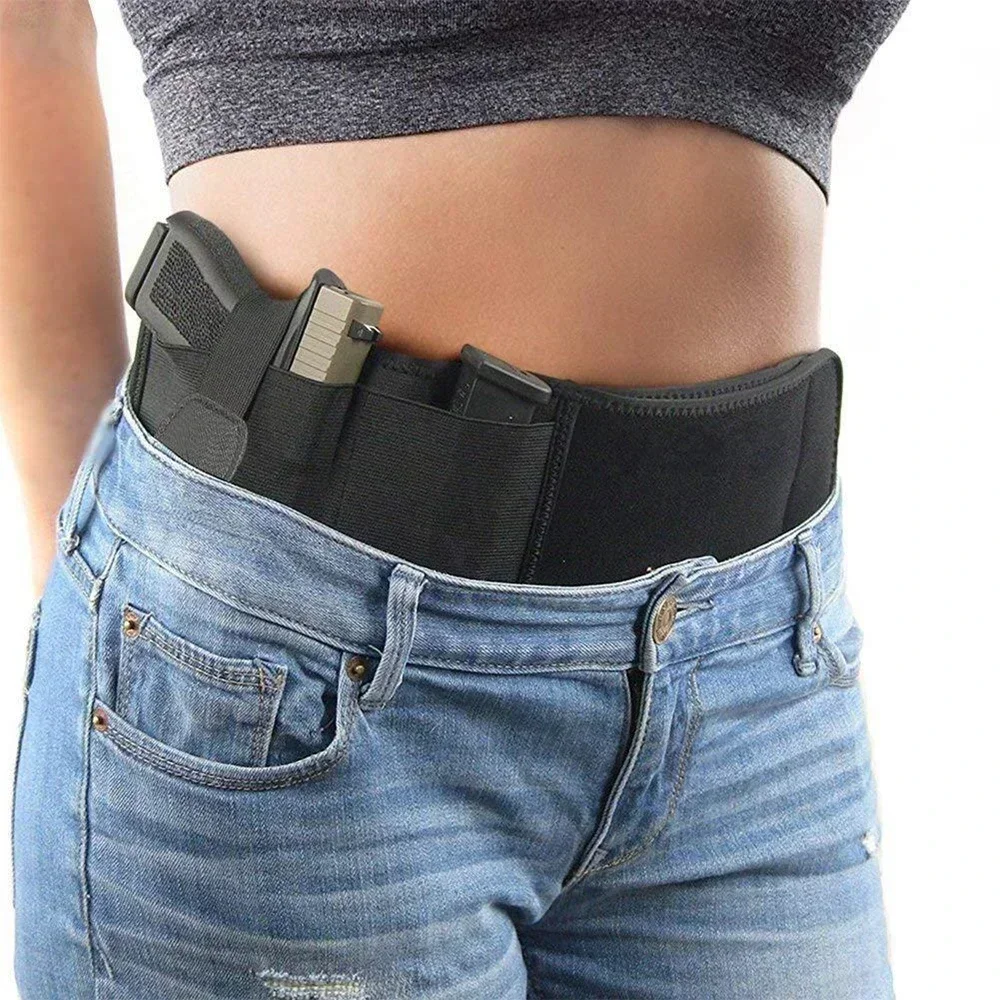
A brief, accidental exposure of an otherwise concealed firearm is not necessarily the same as intentionally open carrying. Nevertheless, intentionally displaying a firearm in an angry or threatening manner can create serious legal consequences unless the display is legally justified as self-defense. Carry equipment should keep the handgun secure, covered, and under the carrier’s control. A quality holster should cover the trigger guard and resist unintended movement.
Carrying a firearm and lawfully using one are separate questions. Florida’s self-defense statutes do not authorize threats or force merely because a person is armed. Follow the latest firearms news for developments affecting gun owners, but consult current statutory text or qualified counsel for situation-specific guidance.
Why Get a Florida Concealed Carry License?
Although a license is no longer required for an eligible person to carry concealed within Florida, obtaining one can still be worthwhile. Other states do not have to recognize Florida’s permitless-carry status. Some recognize a valid Florida license under reciprocity arrangements, while others recognize only resident licenses or impose different location and notification rules.
The Florida Department of Agriculture and Consumer Services administers the license program and publishes current application information. Before traveling, check both Florida’s official reciprocity information and the destination state’s own government sources. A license never overrides another state’s prohibited-place, vehicle-carry, magazine, or ammunition laws.
Whether carrying a compact 9mm, revolver, or another lawful handgun, train regularly, use secure storage around unauthorized users, and verify the law before crossing state lines. For dependable firearms, ammunition and carry-related gear, visit a licensed dealer that treats compliance as part of responsible gun ownership.
Ready to choose equipment for lawful concealed carry? Visit BT Gun Company to browse firearms and accessories backed by knowledgeable FFL service.

About the Author: Jeff Brown
Jeff Brown is CEO of Fuzzy Holdings LLC and owner of BT Gun Company, a Class 7 FFL dealer since 2023. An NRA-certified Range Safety Officer who has been shooting since 1983, he teaches hunter safety at his local gun club, hunts spring and fall turkey, and has a soft spot for revolvers.