
How Long Does Ammo Take to Go Bad? Ammunition Shelf Life Explained
Quick Answer
How long does ammo take to go bad? Properly stored factory ammunition can remain reliable for decades, but there is no universal expiration date. Its actual lifespan depends more on heat, moisture, chemical exposure, corrosion, and handling than on the date it was manufactured.
Modern centerfire cartridges stored in a cool, dry, temperature-stable location and kept in their original packaging may remain usable for many years. Older military-surplus ammunition can also function reliably, although unknown storage history, corrosive primers, and deteriorated packaging warrant extra caution.
- Best storage conditions: Keep ammunition cool, dry, and protected from large temperature swings. A climate-controlled indoor location is generally better than an attic, vehicle, basement, shed, or garage.
- Use suitable containers: Original factory boxes preserve caliber, lot, and manufacturer information. A sealed ammunition can adds physical and moisture protection, especially when paired with a monitored desiccant pack.
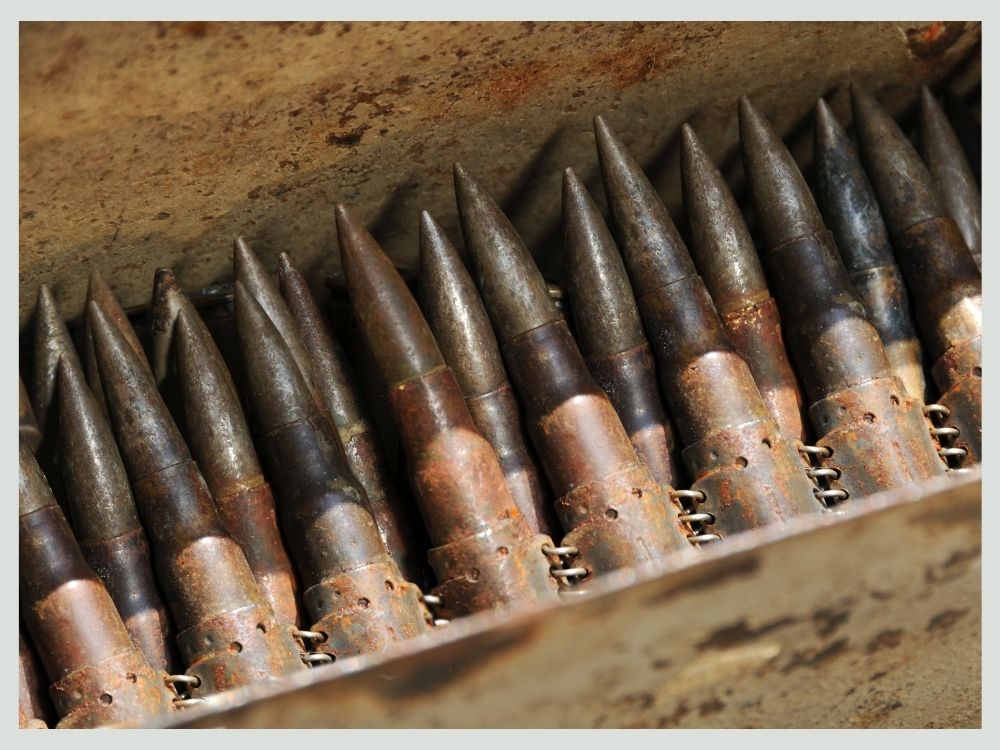
- Inspect before use: Do not fire cartridges showing corrosion, deep dents, cracked cases, loose or pushed-back bullets, damaged primers, oil contamination, or water damage.
- Carry ammunition needs closer attention: Daily exposure to sweat, humidity, repeated loading, and unloading can damage cartridges faster than undisturbed range ammunition. Follow the ammunition manufacturer’s recommendations and replace questionable rounds.
- Rimfire and shotshell ammunition: Cartridges such as .22 LR and 12-gauge shells can also last for years under proper conditions, but moisture, damaged rims, swollen paper hulls, and corroded metal components are warning signs.
Age alone does not prove that ammunition is unsafe, and a cartridge’s appearance cannot guarantee that it will function. Storage history is the most important consideration. If you do not know whether old ammunition was exposed to flooding, excessive heat, solvents, or oil, the safest choice is not to fire it.
Never attempt to salvage suspect ammunition by pulling bullets, drying wet cartridges, or modifying components unless you are qualified and properly equipped to do so. Contact a local range, law-enforcement agency, or household hazardous-waste program for disposal guidance. For current products and knowledgeable assistance, visit BT Gun Company.
Why Properly Stored Ammunition Can Last for Decades
A complete centerfire cartridge contains a case, primer, propellant, and projectile. When those components remain sealed and protected, time by itself may have little effect. Moisture and chemical contamination are usually more serious threats because they can corrode the case or interfere with the primer and powder.
Heat accelerates chemical deterioration, while repeated heating and cooling can encourage condensation. That is why ammunition left year-round in a vehicle or non-climate-controlled outbuilding faces harsher conditions than ammunition stored inside a stable residence. Brief exposure to normal seasonal temperatures does not automatically ruin cartridges, but prolonged extreme heat and repeated temperature cycling are undesirable.
The Sporting Arms and Ammunition Manufacturers’ Institute publishes authoritative SAAMI technical information covering ammunition, firearms, and industry standards. Manufacturer instructions should take priority whenever a particular load has storage or handling guidance.
How to Store 9mm, .223, .22 LR, and Shotshells
Keep 9mm, .45 ACP, .223 Remington, 5.56 NATO, and other centerfire ammunition in labeled factory packaging whenever practical. The box identifies the cartridge and often preserves a lot number that may be important if a manufacturer announces a recall. Avoid mixing loose cartridges of similar appearance, particularly .223 Remington and 5.56 NATO loads or handgun cartridges with different pressure and projectile specifications.
Place boxed ammunition in a clean, dry ammunition can or cabinet. Desiccant can help manage residual humidity, but it is not a substitute for a dry storage location. Check reusable desiccant according to its instructions, and avoid overreliance on unmonitored humidity-control products.
Rimfire ammunition such as .22 LR deserves protection from moisture and rough handling because the priming compound is located within the case rim. Shotshells should be checked for corrosion around the metal head, damaged crimps, distorted plastic hulls, or swollen paper hulls. Keep every cartridge away from penetrating oils, bore solvents, cleaning chemicals, and open containers of liquid.
Signs That Old Ammo Should Not Be Fired
Before loading older ammunition, verify the caliber marked on the firearm and cartridge packaging. Then inspect each round under good light. Set aside ammunition with green or white corrosion, heavy rust, cracked case mouths, deep dents, punctures, missing primers, or bullets that are loose, tilted, or seated noticeably deeper than matching cartridges.
Repeatedly chambering the same defensive round can mark the case or contribute to bullet movement. Rotate ammunition responsibly, minimize unnecessary chambering, and compare a frequently handled cartridge with an untouched round from the same box. Do not use a firearm’s action to force a damaged cartridge into the chamber.
If a cartridge fails to fire, keep the firearm pointed in a safe direction and follow the firearm and ammunition manufacturers’ misfire procedures. A delayed ignition is possible, so immediately opening the action without following proper guidance can create risk. One successful cartridge also does not prove that every round from an old or poorly stored batch is dependable.
When to Replace Carry, Defensive, and Range Ammunition
There is no single replacement schedule that applies to every owner. Ammunition stored untouched in a dry safe has a different service history from cartridges carried daily against the body. Defensive ammunition should be replaced whenever it shows contamination, corrosion, bullet movement, case damage, or unreliable performance. Some owners periodically shoot their carried load during practice and replace it with fresh ammunition, which also confirms function in the specific firearm.
Unknown ammunition deserves special caution. Avoid firing cartridges found loose, inherited without labels, recovered after a flood, or assembled as unidentified handloads. Handloaded ammunition is only as trustworthy as its components, loading records, workmanship, and storage history. Never assume an unmarked cartridge is safe based only on its dimensions or appearance.
Responsible storage supports the rights and safety of gun owners by keeping ammunition reliable while preventing unauthorized access. Store firearms and ammunition in a manner appropriate to your household and applicable law. Readers can follow latest firearms news, browse firearms, and explore practical accessories through BT Gun Company.
Need dependable firearms, gear, or help choosing the right setup? Visit BT Gun Company to shop with an experienced licensed firearms dealer.

About the Author: Jeff Brown
Jeff Brown is CEO of Fuzzy Holdings LLC and owner of BT Gun Company, a Class 7 FFL dealer since 2023. An NRA-certified Range Safety Officer who has been shooting since 1983, he teaches hunter safety at his local gun club, hunts spring and fall turkey, and has a soft spot for revolvers.