
Do I Need an Ammo Box? Safe Ammunition Storage Explained
Estimated reading time: 9 min
Summarize with AI
Share
Quick Answer
No, you do not need an ammo box for every box of ammunition. Factory ammunition can remain in its original packaging if it is stored in a cool, dry, secure location. The factory box protects cartridges, identifies the exact caliber or gauge, preserves the manufacturer and lot information, and reduces the chance of mixing incompatible ammunition.
An ammo box or ammo can is still a worthwhile investment when you buy ammunition in bulk, travel to the range regularly, or need better protection from moisture, impact, and unauthorized access. Choose the container according to how you intend to use it:
- Original factory boxes: Best for organization, caliber identification, lot tracking, and most indoor storage.
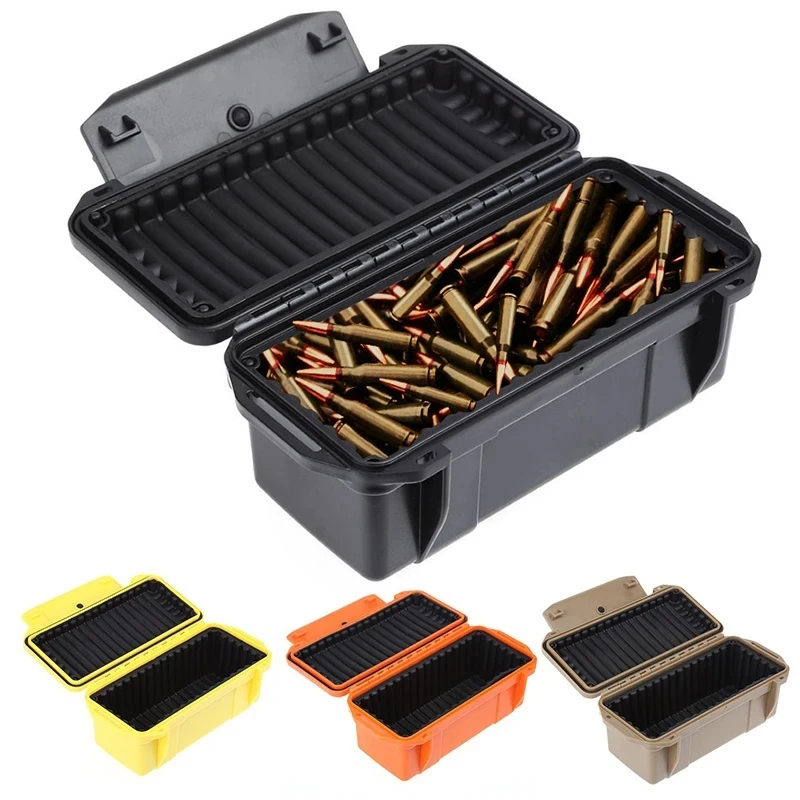
- Plastic ammunition boxes: Lightweight and resistant to rust. Good for range trips and organizing boxed or properly labeled loose ammunition.
- Steel ammo cans: Durable and commonly fitted with a gasket that helps resist moisture when the gasket and latch are in good condition.
- Lockable storage: Appropriate when children, unauthorized adults, or prohibited persons could otherwise access the ammunition.
An ammo box is not automatically waterproof, fireproof, or secure. A damaged gasket can leak, a sealed container can trap moisture already inside, and an ordinary latch does not prevent unauthorized access. Keep ammunition away from standing water, excessive humidity, household chemicals, oils, solvents, and prolonged heat. Avoid leaving it in a vehicle, damp basement, or unconditioned attic for long-term storage.
Label every container with the cartridge designation, such as 9mm Luger, .223 Remington, 5.56 NATO, .308 Winchester, or 12 gauge. Keep factory labels or lot numbers whenever possible, especially for defensive ammunition. Never mix cartridges that look similar but are not approved for the same firearm.
Federal law does not generally require an ordinary consumer to keep common small-arms ammunition in an ammo box, but state and local storage rules can vary. Household access, transportation, range rules, and carrier policies may also affect the right setup. In short, an ammo box is optional for many owners but highly useful for bulk storage, organization, transport, and responsible access control.
What an Ammo Box Actually Does
An ammo box is a protective container, not a requirement for ammunition to function. Its primary jobs are organization, physical protection, moisture resistance, and easier transport. Depending on its design, it may also provide a way to add a padlock or cable lock.
Factory packaging already performs several important functions. It keeps cartridges separated, displays the complete cartridge designation, and retains information that may be useful if a manufacturer issues a notice or if a shooter needs to identify a problematic lot. For that reason, placing intact factory boxes inside a larger ammo can is often better than dumping every cartridge loose into the can.
Loose storage is not inherently harmful when the container is clean, dry, and correctly labeled, but it removes much of the ammunition’s identification. That matters because cartridges with similar dimensions or appearances are not necessarily interchangeable. Owners should always match the exact ammunition marking to the firearm manufacturer’s chambering information. The SAAMI cartridge and chamber standards are an authoritative technical reference, but the markings and manual supplied with the firearm remain essential.
An ordinary commercial or military-style ammo can should not be treated as a certified fire safe. It also does not become theft-resistant merely because it has a sturdy latch. If security is the objective, use a purpose-built lockable cabinet, safe, or container appropriate to the household.
When an Ammo Can Is Worth Buying
An ammo can becomes especially useful when ammunition has outgrown a closet shelf or small cabinet. Bulk purchases of common cartridges such as 9mm Luger, .22 LR, .223 Remington, 5.56 NATO, and 12-gauge shotshells are easier to inventory when they are separated into clearly marked containers.
Frequent range users also benefit from dedicated containers. A box can protect ammunition from crushed packaging, keep different calibers apart, and make it easier to carry an appropriate quantity without bringing the entire household supply. A smaller range box may be more practical than a large steel can filled to the point that it is difficult to lift safely.
Consider an ammo box when any of the following applies:
- You purchase case quantities or multiple lots of the same cartridge.
- Your storage area experiences moderate humidity or occasional temperature changes.
- You need to separate practice, hunting, competition, and defensive loads.
- You regularly transport ammunition to a range, training class, or lawful hunting location.
- You want another physical barrier between ammunition and children or unauthorized users.
If you own only a few factory boxes and can keep them dry, labeled, and secured, another container may add little practical value. Responsible ownership does not require buying unnecessary equipment. It requires choosing storage that fits the ammunition, environment, and people in the home.
Steel Ammo Cans Versus Plastic Ammo Boxes
Steel ammo cans are valued for impact resistance and long service life. Many use a replaceable rubber gasket around the lid. Before relying on one for moisture resistance, inspect the body for rust or holes and examine the gasket for cracks, flattening, dirt, or missing sections. The latch should close evenly without forcing a distorted lid.
Steel also adds weight. Once filled with dense centerfire cartridges, a large can may become awkward to carry. Multiple smaller containers can be easier to move and organize than one overloaded can.
Plastic ammo boxes are lighter and will not develop steel rust. Their molded bodies can still crack, warp, or lose sealing performance, particularly after hard impacts or exposure to excessive heat. Look for solid hinges, secure latches, usable handles, and a design that accepts a lock if access control is important.
Caliber-specific cartridge boxes use individual compartments to organize loose cartridges. These are useful for handloaders and precision shooters, provided every box is labeled accurately. Handloaded ammunition should include enough loading information for the loader to identify the components and load record. Never place an unknown handload into general range ammunition.
Whichever style you select, test the container empty before trusting it. Make sure the lid closes correctly, the handle supports the intended load, and labels remain readable. Those simple checks matter more than whether the exterior looks military or tactical.
How to Store Ammunition Correctly
The ideal storage area is cool, dry, stable, and secure. Normal indoor conditions are generally preferable to locations that experience repeated heat, cold, condensation, or high humidity. Ammunition should not sit directly on a basement floor where a leak could submerge it. A shelf, cabinet, or raised storage platform provides better protection.
A desiccant pack can help manage residual humidity inside a closed container, but it is not a substitute for placing dry ammunition into a dry box. Follow the desiccant manufacturer’s instructions and replace or reactivate it as directed. Do not assume that sealing wet air or damp cartridges inside a gasketed can solves the problem.
Keep ammunition away from penetrating oil, bore solvent, household cleaners, fertilizer, and other chemicals. Do not spray cartridges with lubricant or corrosion inhibitor. Ammunition is designed to be used clean and dry unless its manufacturer specifically states otherwise.
Label the outside of each container with the full cartridge name and the general load type. Keeping the factory box or a label showing the manufacturer, bullet weight, and lot number improves traceability. Separating training ammunition from premium defensive or hunting loads also prevents an expensive or task-specific cartridge from being used unintentionally.
Inspect stored ammunition periodically. Do not fire cartridges showing severe corrosion, split cases, major dents, loose bullets, obvious bullet setback, or other significant damage. If ammunition appears unsafe, contact its manufacturer or ask a local range or waste authority about lawful disposal. Do not attempt to disassemble live cartridges without appropriate equipment and knowledge.
Security, Children, and Storage Law
For most consumers, there is no general federal rule requiring ordinary small-arms ammunition to be stored in a dedicated ammo can. That does not eliminate state or local requirements, nor does it remove the owner’s responsibility to prevent access by children, prohibited persons, or anyone who may misuse it.
A latched ammo can and a locked ammo container are not the same. If access control matters, choose a container with a functional locking system or place the ammunition inside a locked cabinet or safe. Keys and combinations should remain unavailable to unauthorized users. The NSSF firearm safety resources provide additional guidance for responsible households.
Some owners store ammunition separately from firearms as an extra layer of household security. Others keep secured ammunition near a defensive firearm where lawful and appropriate. There is no single arrangement that fits every residence. The correct decision depends on applicable law, the presence of children or vulnerable individuals, and the owner’s emergency plan.
Gun owners should verify current state and local requirements rather than relying on old social-media posts or advice from another jurisdiction. Laws can change, and rules governing possession, transportation, hunting, or access by minors are not identical nationwide. Readers can follow latest firearms news for developments affecting lawful owners while confirming legal questions through official government sources or qualified counsel.
Common Ammo-Storage Mistakes to Avoid
Mixing calibers is one of the most preventable mistakes. Keep each cartridge designation in its own clearly labeled package. Never rely solely on bullet diameter or visual similarity to identify ammunition.
Discarding all factory information makes it harder to confirm bullet weight, load type, manufacturer, or lot number. Save a box flap or label when transferring ammunition to another container.
Assuming every ammo can is waterproof can lead to damaged ammunition. Gaskets age, lids bend, and containers may already hold moisture. Inspect the box and store it away from likely flooding even if it appears well sealed.
Overloading a container creates a lifting hazard and can damage handles or latches. Divide a heavy supply among manageable boxes rather than filling the largest container available.
Using a hot vehicle for long-term storage exposes ammunition to unnecessary temperature cycling and creates security concerns. A vehicle may be necessary for lawful transportation, but it is generally a poor substitute for stable indoor storage.
Treating an ammo box as a safe leaves ammunition vulnerable when the container has no meaningful lock or can be carried away. Match the security level to the risks in your household.
Before adding to your supply, inventory what you already own and confirm the chambering marked on each firearm. At BT Gun Company, owners can browse firearms, ammunition, and accessories while planning a storage system that keeps each gun and cartridge type properly identified.
Ammo Box FAQ
Can I leave ammunition in the original cardboard box?
Yes. Original packaging is suitable when it remains dry, intact, and secured. It also preserves caliber, load, warning, and lot information. Placing those factory boxes inside a larger sealed container can add physical and moisture protection.
Should I put loose ammunition in an ammo can?
You can, but the can must be clean, dry, and unmistakably labeled. Avoid mixing manufacturers, loads, lots, or cartridge types when identification could be lost. Dividers or smaller cartridge boxes improve organization.
Does ammunition expire?
Ammunition does not have one universal expiration date. Storage conditions, packaging, and exposure to moisture, chemicals, or heat affect its condition. Properly stored factory ammunition may remain serviceable for a long time, but every cartridge should be inspected before use.
Do I need desiccant in every ammo box?
No. Desiccant can be helpful in humid conditions or in a closed container, but it is optional in a dry, climate-controlled location. It must be maintained according to its instructions and cannot repair water-damaged ammunition.
Is an ammo can fireproof?
Do not assume so. Ordinary steel and plastic ammunition containers are generally intended for storage and transport, not certified fire protection. If fire resistance is a priority, evaluate a purpose-built storage product with clearly documented ratings.
Need help selecting your next firearm or organizing the supporting gear? Visit BT Gun Company to shop with a licensed FFL dealer committed to informed, responsible gun ownership.

About the Author: Jeff Brown
Jeff Brown is CEO of Fuzzy Holdings LLC and owner of BT Gun Company, a Class 7 FFL dealer since 2023. An NRA-certified Range Safety Officer who has been shooting since 1983, he teaches hunter safety at his local gun club, hunts spring and fall turkey, and has a soft spot for revolvers.