
Review: Smith & Wesson Model 386 Night Guard – The Lightweight K-Frame Powerhouse
Quick Answer
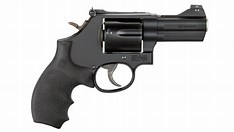
The Smith & Wesson Model 386 Night Guard is a seven-shot, double-action/single-action revolver chambered for .357 Magnum and compatible .38 Special ammunition. Its defining feature is a lightweight scandium-aluminum alloy frame paired with steel components in key wear and pressure areas. That combination gives shoppers an alternative to a heavier all-steel revolver while retaining the versatility associated with the .357 Magnum chambering.
The tradeoff is recoil. Lighter revolvers generally transmit more felt recoil, particularly with heavier .357 Magnum loads. Many buyers will want to compare several manufacturer-approved .38 Special and .357 Magnum options from the ammunition selection before settling on a load. Grip fit, trigger reach and sight visibility also deserve close attention.
Model 386 Night Guard specifications can vary by production run or distributor-exclusive SKU. Confirm the product listing, manufacturer markings and included equipment before ordering. Shoppers comparing this revolver with other handguns should focus on construction, recoil tolerance, holster compatibility and intended use rather than the model name alone.
Confirm the Exact Model 386 Configuration
The Model 386 Night Guard name has been associated with lightweight, medium-frame Smith & Wesson revolvers, but individual configurations may differ. The principal specifications to verify are the seven-round cylinder, .357 Magnum chambering, double-action/single-action mechanism, grip, finish, sights and included accessories.
A .357 Magnum revolver can generally provide flexibility for shoppers who also want to use compatible .38 Special ammunition. Ammunition type, pressure designation and bullet profile should match the firearm manufacturer’s current instructions. Published testing of a Model 386 sample reported operation with standard-pressure .38 Special, .38 Special +P and multiple .357 Magnum bullet weights, but a test sample does not establish performance for every revolver or load.
The exposed hammer supports both double-action and single-action operation. Trigger feel can vary from one example to another, so exact pull-weight claims from a review should not be treated as a specification for every gun. The original test sample was described as having a smooth double-action pull and a lighter, crisp single-action break.
Construction, Controls and Recoil Tradeoffs
The Night Guard’s scandium-aluminum alloy frame is intended to reduce weight compared with a similar all-steel revolver. Scandium is used as an alloying element rather than as a stand-alone frame material. The design also incorporates steel where appropriate, including the cylinder and inner barrel components.
A steel blast shield above the forcing-cone area helps protect the alloy frame from hot gases and particles. The design has also been described with a reinforced forcing-cone area. Some configurations feature chamfered chamber mouths to support loading and a beveled cylinder edge that reduces sharp external transitions. These details should still be confirmed on the specific SKU being considered.
The matte-black treatment gives the revolver an understated appearance, while some examples show contrasting frame pins. Commonly listed controls include a checkered hammer spur and textured cylinder release. A Hogue Bantam-style rubber monogrip has also appeared on this model. Its pebbled surface and compact profile may suit some hands, but grip shape, finger placement and trigger reach remain personal fit questions.
Reduced firearm weight can make heavier .357 Magnum loads feel substantially sharper than .38 Special loads. That does not make either option universally preferable; it makes ammunition selection and grip fit important buying decisions.
Sights, Holsters and Ownership Accessories
Sight equipment may vary, so examine the exact front and rear sight arrangement shown for the product rather than relying on an older review. Consider visibility, adjustment capability and whether replacement options are available through the manufacturer. Shoppers evaluating alternatives can also browse compatible optics and sights, although revolver sight compatibility is highly model-specific.
For a holster, verify the exact firearm model, frame size, cylinder profile and sight clearance. Useful features to compare include full trigger-guard coverage, retention design, material, attachment method and comfort. Do not assume that a holster made for a visually similar revolver will provide correct fit. Review the available holsters, follow the holster manufacturer’s instructions and obtain qualified instruction.
Regular ownership needs may also include a properly fitted storage case and suitable maintenance supplies. The cases and storage category can help with organization and protection, while cleaning and maintenance products should be selected according to the firearm manufacturer’s guidance. Avoid assuming that every solvent, brush or tool is appropriate for an alloy-finished revolver.
Who Should Consider It and What to Check Before Buying
The Model 386 Night Guard may appeal to shoppers who want seven-round capacity, .357 Magnum chambering and less weight than a comparable all-steel revolver. It may be less appealing to buyers who prioritize mild felt recoil, maximum grip size or the steadiness of a heavier frame. The compact rubber grip may also require replacement for buyers whose hands do not align comfortably with its shape.
Buying checklist
- SKU: Confirm the exact finish, sights, grip and included equipment.
- Chambering: Check the barrel and firearm markings and consult the current manufacturer documentation.
- Fit: Consider grip shape, trigger reach, control texture and sight visibility.
- Ammunition: Compare manufacturer-approved .38 Special and .357 Magnum choices with recoil and intended use in mind.
- Holster: Require model-specific fit, suitable retention, trigger-guard coverage and adequate sight clearance.
- Purchase process: Review how buying a gun online works and check current federal, state and local law.
Treat every firearm as if it is loaded. Keep the muzzle pointed in a safe direction. Keep your finger off the trigger and outside the trigger guard until your sights are on the target and you have decided to shoot. Be sure of your target and what is beyond it. Before cleaning or inspecting a firearm, unload it, remove the magazine, lock the action open, and visually and physically check that the chamber is empty.