
FMJ vs Hollow Point Ammunition: What Is the Difference?
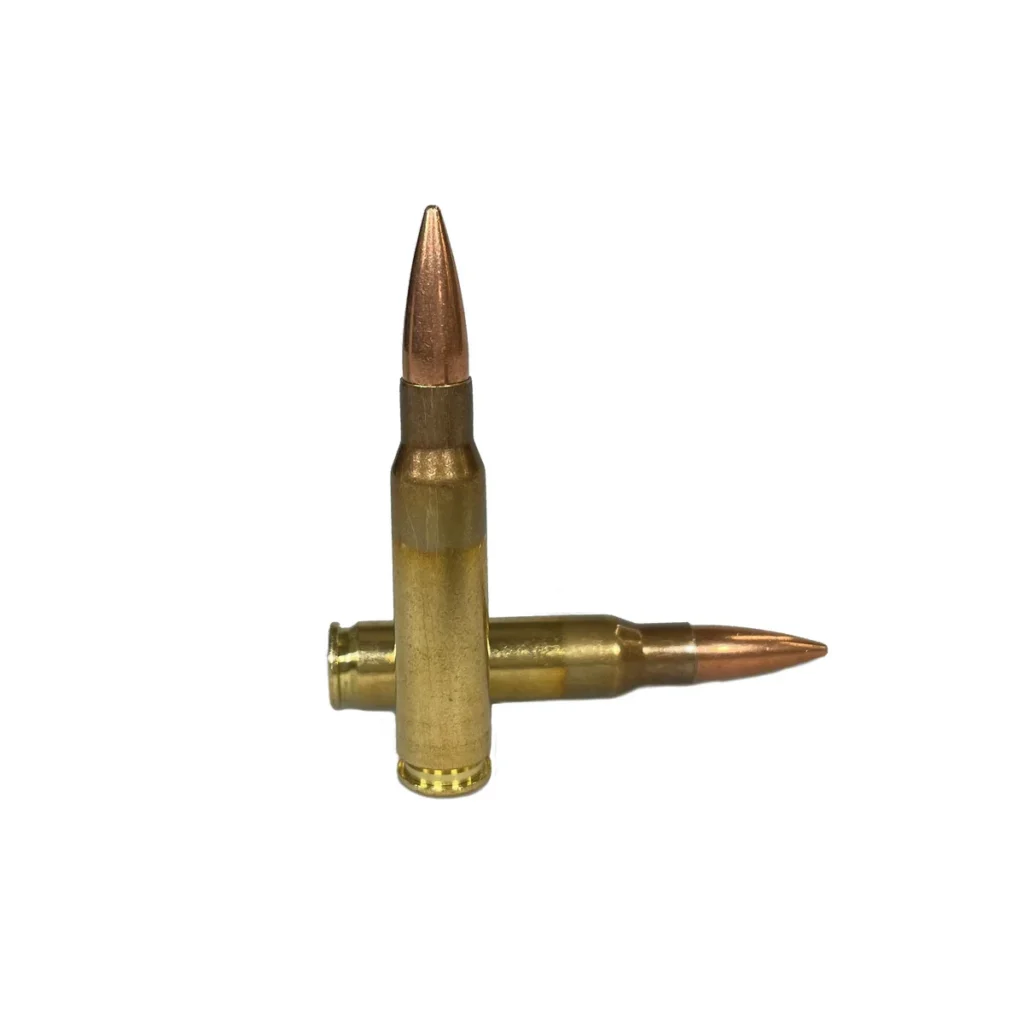
Quick Answer
FMJ, or full metal jacket, ammunition usually has a lead core covered at the nose and sides by a harder metal jacket. It is commonly selected for routine range practice because its projectile is generally designed to retain its shape rather than expand.
Hollow point ammunition has a cavity in the bullet’s nose. Many hollow point designs are engineered to expand after entering an appropriate medium, although actual performance depends on the specific bullet, impact velocity and encountered material.
- Choose FMJ for: General practice, training and target shooting where the range permits it.
- Choose hollow points for: Personal-protection or hunting applications when the specific load is designed for that purpose and permitted by current federal, state and local law.
- Check the label: Not every hollow-point-style bullet is designed to expand. Open-tip match bullets, for example, may use a nose cavity created by the manufacturing process rather than as an expansion feature.
- Confirm compatibility: The cartridge designation must match your firearm’s chambering, and the load should comply with the firearm manufacturer’s guidance.
FMJ and hollow point describe projectile construction, not the complete performance of every load. Compare the manufacturer’s stated purpose and specifications rather than selecting by appearance alone.
How FMJ and Hollow Point Bullets Are Constructed
A typical FMJ bullet contains a relatively soft core surrounded by a harder jacket, often made from copper or a copper alloy. The jacket normally covers the bullet’s nose and sides, while some designs leave part of the core exposed at the base. This construction helps the projectile maintain its general profile during routine target use.
FMJ should not be confused with armor-piercing ammunition. The term describes how the core is jacketed, not an ability to defeat protective material. Bullet construction, core material and manufacturer designation are separate considerations.
A hollow point has an opening in its nose. Many defensive and hunting designs use this cavity to begin controlled deformation when the projectile encounters a suitable medium. Jacket thickness, cavity geometry and internal scoring can all be part of the manufacturer’s design. Some hollow points are jacketed, while others may be made primarily from a single material.
There are also bullets that look similar but serve different purposes. An open-tip match projectile can have a small opening at the nose because of how the core is inserted during production. Its manufacturer may emphasize consistency and target performance rather than expansion. Read the complete product description before deciding what a hollow or open tip is intended to do.
Typical Uses and Performance Differences
FMJ ammunition is widely associated with practice and target shooting. Its straightforward projectile construction makes it a common choice for building familiarity with a firearm, provided the ammunition matches the chambering and complies with range rules. Shoppers comparing ammunition for handguns or rifles should still review the firearm manual because acceptable pressure levels, cartridge variants and bullet profiles can differ.
Most conventional FMJ projectiles are not designed to expand. As a result, they may travel through soft material differently from an expanding bullet and can retain a narrower profile. Exact penetration cannot be predicted from the FMJ label alone; caliber, velocity, projectile weight, construction and encountered material all matter.
Purpose-built hollow points are generally intended to deform and increase in diameter under the conditions established by their manufacturer. Expansion is not automatic. Clothing, intermediate materials, impact velocity and bullet design can affect the result. A product labeled for target competition may behave differently from one labeled for personal protection or hunting, even if both have visible nose cavities.
Neither category tells you everything about felt recoil, point of impact or compatibility with a particular firearm. Those characteristics depend on the complete cartridge and firearm combination. Manufacturer documentation is more useful than assuming all FMJ loads or all hollow point loads behave alike.
How to Choose Between FMJ and Hollow Point Ammunition
Start with the intended use. For ordinary range sessions, FMJ is often the practical starting category. Confirm that the facility permits the projectile type; some ranges restrict particular jackets, cores or ammunition types because of their target systems.
For personal-protection ammunition, look for a load explicitly designated for that role by its manufacturer. Avoid choosing solely because the bullet has a hollow cavity or aggressive-looking profile. If the firearm manufacturer publishes ammunition recommendations or restrictions, follow them. Owners purchasing additional magazines should also verify that each magazine is intended for the exact firearm model and cartridge.
For hunting, match the cartridge and projectile to the game and application described by the ammunition manufacturer. Some hunting bullets use hollow points, while others use soft points, polymer tips or controlled-expansion designs. Check current federal, state and local law before purchasing or using ammunition for hunting.
When comparing boxes, review these decision points:
- Exact cartridge designation: Similar names do not necessarily indicate interchangeable cartridges.
- Manufacturer-stated purpose: Look for target, match, hunting or personal-protection labeling.
- Projectile construction: Distinguish FMJ, jacketed hollow point, open-tip match and other specialized designs.
- Bullet weight and load specifications: Compare them with the guidance in the firearm’s manual.
- Range or competition requirements: Confirm the ammunition type meets the facility’s or event’s rules.
Compatibility, Identification and Safe Handling
The cartridge designation printed on the ammunition box and headstamp must correspond to the firearm’s marked chambering and manufacturer guidance. Do not rely on visual similarity between cartridges. If any designation or specification is unclear, consult the firearm or ammunition manufacturer or a qualified professional before use.
Keep factory packaging available so the cartridge designation, bullet weight, lot information and manufacturer warnings remain identifiable. Purpose-built cases and storage products can also help keep labeled ammunition organized and separated by cartridge type.
Whether handling FMJ, hollow point or another ammunition type, remember:
- Treat every firearm as if it is loaded.
- Keep the muzzle pointed in a safe direction.
- Keep your finger off the trigger and outside the trigger guard until your sights are on the target and you have decided to shoot.
- Be sure of your target and what is beyond it.
FMJ is generally associated with routine target use, while purpose-built hollow point ammunition is commonly considered for applications where controlled expansion is desired. The right choice depends on exact chambering, manufacturer guidance, intended use and applicable rules. Browse BT Gun Company’s ammunition category to compare cartridge types and manufacturer-designated applications.