How Do You Adjust a Holster for Better Comfort? A Practical Fit Guide
Quick Answer
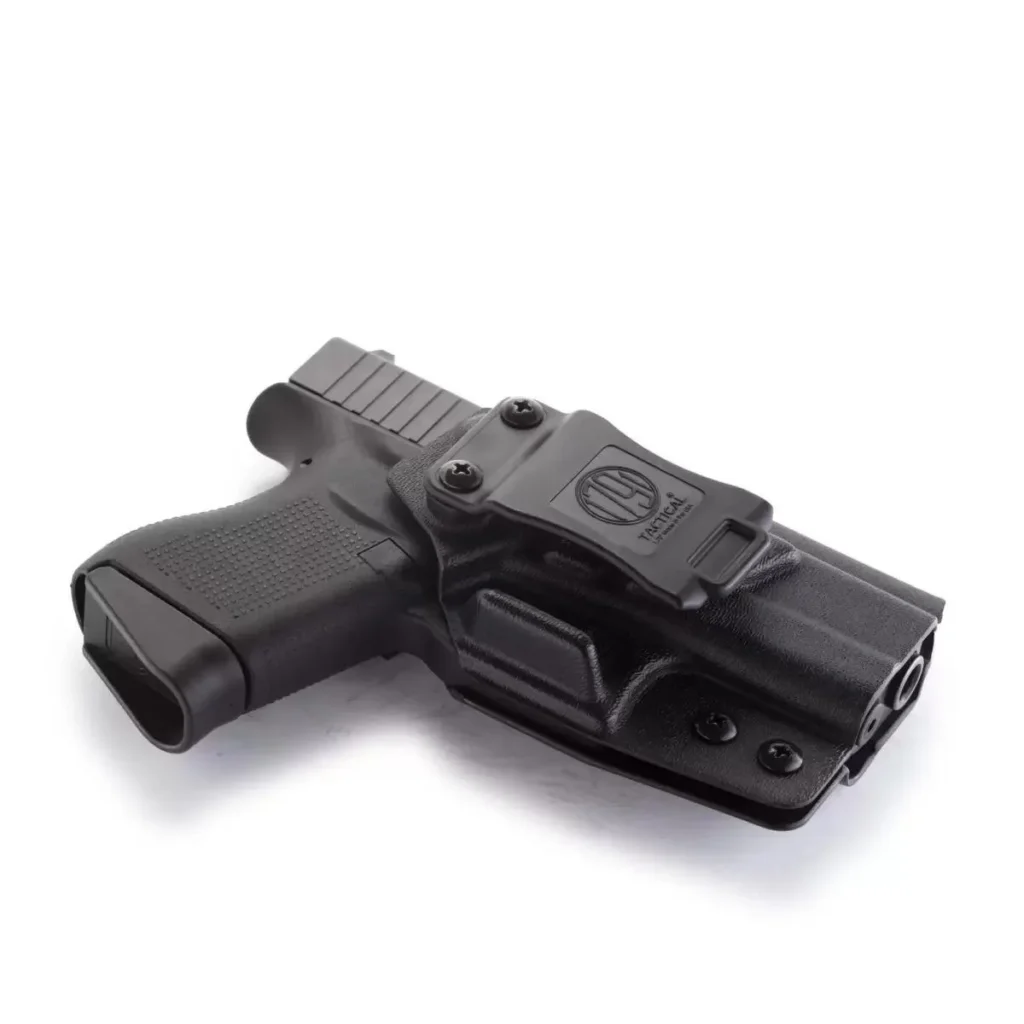
To adjust a holster for better comfort, change one variable at a time and follow the holster manufacturer’s instructions. Comfort usually depends on ride height, cant, belt position, retention, hardware and compatibility with the firearm and mounted accessories.
- Ride height: A higher or lower position can change pressure against the body and how the grip sits.
- Cant: Adjusting the holster’s angle may reduce wrist, hip or waist discomfort without compromising fit.
- Belt position: Moving the holster slightly away from belt loops, buckles or sensitive pressure points can help.
- Retention: Use only the manufacturer-provided adjustment range. Excessive tension can affect fit and wear.
- Mounting hardware: Confirm that screws, clips, loops and spacers are configured and secured as directed.
- Compatibility: The holster must match the firearm and any optic or weapon-mounted light.
Treat every firearm as if it is loaded. Before cleaning or inspecting a firearm, unload it, remove the magazine, lock the action open, and visually and physically check that the chamber is empty. Follow the holster and firearm manufacturers’ instructions, and seek qualified instruction before using a holster.
Start With Holster, Firearm and Accessory Compatibility
Comfort adjustments cannot correct an incompatible holster. Begin by confirming that the model is designed for the exact firearm configuration. Frame size, slide length, controls, optic cuts and mounted accessories can all affect fit. A holster made for a standard handgun may not properly accommodate the same model equipped with an optic or weapon-mounted light.
If your setup includes equipment from the Lights & Lasers category, verify that the holster is specifically formed or configured for that accessory. Many light-compatible designs retain the firearm differently from models intended for an unmodified handgun. Do not remove material, apply heat or reshape a holster unless the manufacturer expressly authorizes that modification.
Material also influences comfort. Rigid polymer designs tend to maintain a consistent shape, while leather and hybrid models may distribute pressure differently. Soft backing can feel comfortable against the body, but the complete holster still needs appropriate structure, compatible retention and manufacturer-approved mounting hardware.
Clothing and belt selection matter as well. A belt that is too flexible may allow unwanted movement, while an overly bulky buckle or belt loop can create a concentrated pressure point. Relevant belt clips, loops and other mounting components may be found among general Accessories, but every component should be approved for the holster system.
Adjust Ride Height, Cant and Position Separately
Ride height describes how high or low the holster sits relative to its mounting point. A small change can alter where the holster body, muzzle end and firearm grip contact the wearer. If the setup creates pressure while sitting or bending, compare the manufacturer’s available mounting holes or approved spacers. Avoid drilling new holes or improvising attachment points.
Cant is the angle of the holster. Some clips and belt loops provide several manufacturer-defined settings. Changing the angle can alter how the grip rests against the body and how the holster distributes weight. Keep the adjustment within the documented range, and make sure the mounting hardware remains fully engaged.
Position is separate from cant and ride height. Belt loops, seams, pockets and buckles may create discomfort even when the holster itself is correctly adjusted. Moving the mounting point slightly can prevent two rigid components from overlapping. Evaluate comfort during ordinary standing, sitting and walking without practicing a draw or handling a loaded firearm.
Change only one setting at a time. If ride height, cant and position are all changed together, it becomes difficult to identify what improved or worsened the fit. Record the original configuration or refer to the manufacturer’s diagrams so the system can be returned to its starting point.
Set Retention and Hardware According to the Manufacturer
Some Holsters use adjustable friction, while others use active retention devices or fixed molding. Retention screws should not be treated as general-purpose comfort controls. Tightening them excessively may create unnecessary resistance, while loosening them beyond the intended range may reduce secure fit or allow hardware to separate.
Use the supplied spacers, washers, thread treatment and fasteners only as directed. Replacement hardware should match the manufacturer’s specifications. Check that clips and loops sit flat, screws engage properly and no component is cracked, stretched or distorted. Follow the manufacturer’s instructions for unloaded fit and retention checks.
Mounted optics may change clearance around the top of the holster. Shoppers comparing optic-ready Handguns should confirm both firearm and holster compatibility before selecting a setup. The same principle applies when an existing handgun receives a new optic, light, grip component or control.
Keep the muzzle pointed in a safe direction. Keep your finger off the trigger and outside the trigger guard until your sights are on the target and you have decided to shoot. Be sure of your target and what is beyond it.
Evaluate Comfort Without Compromising Fit
A comfortable holster should distribute pressure without sharp edges, pinching, unstable movement or hardware rubbing against the body. Comfort should not come from defeating retention features, leaving screws loose or using a holster that does not match the firearm.
If approved adjustments do not resolve discomfort, consider a different mounting option or holster design. A wider attachment may distribute weight differently, while a lower-profile clip may reduce bulk. Body shape, clothing and the dimensions of the firearm can make one design more suitable than another. Cases from the Cases & Storage category are separate products and should not be treated as substitutes for purpose-built holsters.
Inspect the holster periodically according to its manufacturer’s maintenance guidance. Worn mounting holes, damaged clips, loose hardware, cracked shells or degraded material may call for replacement rather than further adjustment. Follow the manufacturer’s instructions and get qualified instruction for holster use.
Browse BT Gun Company’s Holsters category to compare materials, attachment styles, compatibility details and retention features for a more comfortable, properly matched setup.