
How Do You Clean a Firearm After Shooting in Rain or Snow?
Quick Answer
Clean and dry a firearm promptly after shooting in rain or snow. Moisture can collect in the bore, action, controls, screw recesses, magazine well and spaces between metal and the stock or grips. Firing residue can hold that moisture against the firearm and encourage corrosion.
Before cleaning or inspecting a firearm, unload it, remove the magazine, lock the action open, and visually and physically check that the chamber is empty.
- Remove the firearm from any wet case, sleeve or holster.
- Blot exterior moisture with a clean, low-lint cloth.
- Field-strip the firearm only as directed by its manufacturer.
- Dry accessible components, the chamber and the bore.
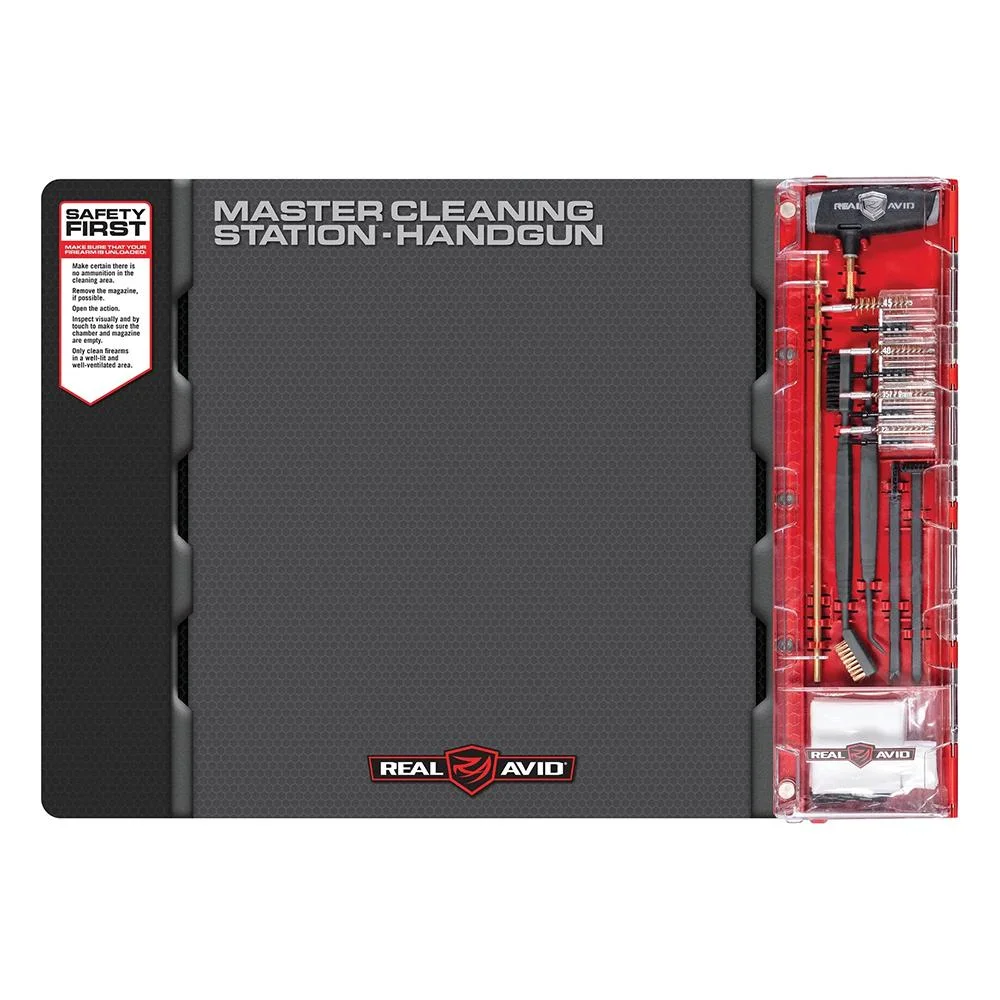
- Remove normal firing residue with manufacturer-approved products from the Cleaning & Maintenance category.
- Apply lubricant and corrosion protection sparingly where the manual specifies.
- Let the firearm finish drying before returning it to storage.
A light surface mist may require only routine cleaning and careful drying. A soaked or submerged firearm, visible water beneath a stock or grip, or moisture inside an enclosed action may justify professional inspection. Wood, optics, electronics and removable magazines also need material-specific attention.
Start With an Unloaded Firearm and the Correct Supplies
Use the firearm manufacturer’s manual as the primary guide for field-stripping, cleaning points, lubricant locations and reassembly. Avoid taking the firearm beyond its normal field-strip level unless you have the appropriate knowledge and tools. Small springs, fitted parts, stock hardware and sealed components can be damaged by unnecessary disassembly.
Keep these standard safe-handling reminders in mind:
- Treat every firearm as if it is loaded.
- Keep the muzzle pointed in a safe direction.
- Keep your finger off the trigger and outside the trigger guard until your sights are on the target and you have decided to shoot.
- Be sure of your target and what is beyond it.
Useful supplies include low-lint cloths, dry patches, appropriately sized cleaning tools, cotton swabs, manufacturer-approved solvent, lubricant and corrosion protectant. A general gun solvent may remove fouling without displacing trapped water, so drying and cleaning should be treated as separate steps.
Dry, Clean and Protect the Firearm
Begin by blotting rather than smearing visible water across the firearm. Pay attention to the muzzle area, chamber, action, extractor area, controls, sights, sling attachments, screw heads and the junction between metal and the stock or grips. Snow should be removed before it melts and flows into less accessible areas.
Once the accessible surfaces are dry, clean the bore, chamber and action according to the owner’s manual. Run dry patches through the bore until visible moisture is gone, then use the normal bore-cleaning process for powder, primer and other firing residue. Dry the cleaned surfaces before applying protection.
Apply only the amount and type of lubricant specified by the manufacturer. A light corrosion-resistant film may be appropriate on exposed metal, but excess oil can migrate into the action, stock, ammunition-contact areas or optics. It can also attract debris. Stainless steel, coated metal and polymer-framed firearms still contain components that may corrode, so their finish does not eliminate the need for drying.
If water appears to have entered an area that routine field-stripping cannot reach, consider having a qualified gunsmith inspect it. Replacement components and maintenance items can be found in Gun Parts, but fitted or fire-control components should not be replaced without the appropriate knowledge.
Account for Magazines, Wood, Optics and Electronics
Removable magazines can retain water around the follower, spring and baseplate. Wipe the exterior and follow the magazine manufacturer’s instructions for disassembly and internal maintenance. Avoid applying excessive lubricant inside a magazine. Shoppers looking for compatible replacements or maintenance options can browse Magazines.
Wood stocks and grips require a different approach from synthetic furniture. Blot moisture promptly and allow the wood to dry gradually at normal room temperature. Concentrated heat can affect finishes, adhesives and fit. If water has reached beneath a stock or grip, consult the firearm manual before removing anything; some assemblies require fitted tools or specific torque settings.
For mounted Optics & Sights, dry the housing and mounting area without putting gun solvent on lenses, seals or coatings. Use only lens-cleaning products and procedures approved by the optic manufacturer. If an electronic sight, light or laser shows signs of internal moisture, follow its manufacturer’s service instructions rather than opening a sealed housing.
A firearm exposed only to brief drizzle may need routine cleaning plus careful attention to exterior metal. Prolonged exposure, melting snow, immersion, mud or water beneath fitted components calls for a more thorough evaluation.
Reinspect Before Long-Term Storage
Do not return a damp firearm to a foam-lined case or other enclosure that may retain moisture. Allow the firearm and its case to dry separately. When everything is dry, store the firearm using the method recommended by its manufacturer and periodically inspect metal, wood and mounting points for discoloration or renewed moisture.
Recheck the firearm after it has had time to sit. A reddish or brown film, roughness on previously smooth metal, cloudy optic interior or moisture emerging from a seam can indicate that additional cleaning or professional attention is needed. Suitable dry-storage options and protective equipment are available under Cases & Storage.
For brushes, patches, solvents, lubricants and corrosion-control products suited to post-weather cleanup, browse BT Gun Company’s Cleaning & Maintenance category.