
How Do You Compare Handgun Barrel Lengths? A Practical Buying Guide
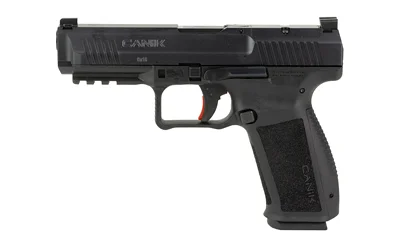
Quick Answer
To compare handgun barrel lengths, start with the manufacturer’s listed specifications rather than estimating from photographs. On a semiautomatic pistol, the barrel is generally measured from the breech face to the muzzle. On a revolver, the listed barrel length generally runs from the front of the cylinder to the muzzle, without including the cylinder.
Barrel length matters, but it is only one part of handgun size and performance. Compare these factors together:
- Overall dimensions: Check total length, height, width, grip size and unloaded weight.
- Intended use: A compact handgun may be easier to store or fit with certain holsters, while a longer model may offer a longer sight radius.
- Ammunition performance: Barrel length can affect velocity, recoil feel, muzzle blast and how a particular load performs.
- Sights and accessories: Consider the sight system, optic compatibility and accessory mounting space.
- Fit: Compare how well the controls, grip and trigger reach suit your hands.
Use barrel length as a starting point, not the sole deciding factor. When comparing handguns, review the complete specifications and confirm that compatible ammunition, magazines, holsters and replacement parts are available for the exact model.
Understand How Handgun Barrels Are Measured
Accurate comparison begins with consistent measurements. A semiautomatic pistol’s barrel extends into the slide, so its visible portion does not represent its full listed length. Revolvers use a different configuration because the chamber is located in the cylinder rather than the barrel. This makes a revolver and semiautomatic with similar listed barrel lengths noticeably different in overall size.
Always use specifications for the exact model, caliber and configuration. Handguns within the same product family may have different slides, barrels, frames, compensators or threaded muzzle extensions. Product names such as compact or full-size are useful general descriptions, but manufacturers do not necessarily apply those labels identically.
Also distinguish barrel length from overall length. A short barrel does not automatically mean a small handgun. Grip height and width can have a greater effect on storage, holster fit and comfort. Record barrel length, overall length, height, width and weight in a simple comparison list instead of focusing on one measurement.
Consider Performance and Sight Configuration
A longer barrel can provide more distance between front and rear iron sights when the sights are mounted at opposite ends of the slide or barrel assembly. That longer sight radius may make small alignment differences easier to see. However, sight design, visibility and the shooter’s familiarity with the handgun also matter.
With an optic-ready handgun, barrel length and iron-sight radius may be less central to the buying decision. Compare the mounting system, optic footprint and sight compatibility. The Optics & Sights category can help you evaluate compatible sighting options.
Barrel length can also influence ammunition performance. The same cartridge may produce different velocity, recoil feel, sound and muzzle flash from different handguns. Results depend on the cartridge, load, firearm design and barrel. Use ammunition-maker data when available, and choose only the correct cartridge designation for the firearm. Browse Ammunition by caliber and confirm compatibility in the firearm and ammunition manufacturers’ documentation.
Do not assume that a longer barrel is automatically more accurate or that a shorter barrel is inherently difficult to use. Mechanical design, sights, trigger characteristics, ammunition and shooter experience all contribute to practical results.
Match Barrel Length to Fit and Intended Use
For range use, shoppers may prefer the balance, sighting arrangement or added gripping area commonly found on larger handguns. For storage or holster use, overall dimensions and accessory configuration may be more important than barrel length alone. A mounted optic, weapon light, threaded barrel or extended control can change compatibility with cases and holsters.
When evaluating Holsters, match the holster to the firearm’s exact manufacturer, model, barrel or slide length, optic setup and mounted accessories. Compare materials, retention features, coverage and comfort. Follow the holster manufacturer’s instructions and obtain qualified instruction.
Hand fit deserves equal attention. Compare grip circumference, trigger reach, control placement and whether interchangeable backstraps are included. A handgun that fits your hand appropriately may be a better choice than selecting solely by a preferred barrel-length category.
Before making a decision, check current federal, state and local law. If a purchase requires dealer processing, review the FFL transfers information before arranging the transaction.
Use a Simple Comparison Checklist
- Confirm the exact configuration. Match the model number, caliber, barrel type and included features.
- Write down complete dimensions. Include barrel length, overall length, height, width and unloaded weight.
- Identify the primary purpose. Consider range use, home storage, collection or holster compatibility without relying on marketing size labels.
- Check supporting equipment. Verify compatible magazines, sights, holsters, cases and maintenance supplies.
- Review manufacturer documentation. Confirm approved ammunition, maintenance requirements and accessory limitations.
Safe comparison and inspection begin with established handling rules. Treat every firearm as if it is loaded. Keep the muzzle pointed in a safe direction. Keep your finger off the trigger and outside the trigger guard until your sights are on the target and you have decided to shoot. Before cleaning or inspecting a firearm, unload it, remove the magazine, lock the action open, and visually and physically check that the chamber is empty. Follow the manufacturer’s manual, and find appropriate supplies through Cleaning & Maintenance.
Ready to compare configurations? Browse BT Gun Company’s Handguns category and evaluate barrel length alongside overall dimensions, sights, caliber, controls and intended use.