
How Do You Inspect Magazine Feed Lips for Damage? A Practical Guide
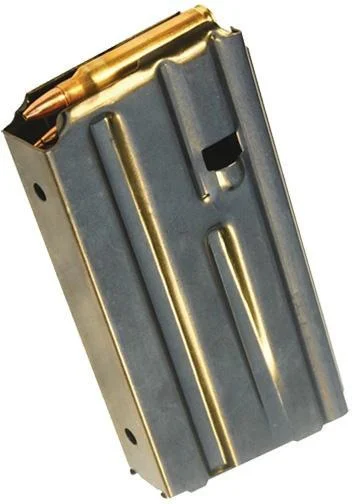
Quick Answer
To inspect magazine feed lips for damage, clean the top of the magazine and examine both lips under bright, even light. Feed lips control how a cartridge sits and releases from the magazine, so cracks, distortion, or excessive wear may contribute to feeding problems.
Treat every firearm as if it is loaded.
Before cleaning or inspecting a firearm, unload it, remove the magazine, lock the action open, and visually and physically check that the chamber is empty.
- Look from several angles: Check the top, front, rear, and sides of each feed lip.
- Watch for structural damage: Cracks, chips, deep gouges, sharp burrs, bent edges, or spreading deserve attention.
- Compare carefully: If possible, compare the magazine with an undamaged magazine of the exact same model and configuration.
- Do not assume asymmetry is damage: Some magazines use intentionally different left and right contours.
- Follow manufacturer specifications: Feed-lip measurements matter only when compared with the correct specifications or an approved gauge.
Minor finish wear may be cosmetic. Cracks, obvious deformation, or a meaningful change from the original shape usually justify removing the magazine from service and contacting its manufacturer. Appropriate supplies are available in Cleaning & Maintenance.
What Feed-Lip Damage Looks Like
Begin with a clean surface because carbon, oil, lint, and accumulated residue can hide small defects. Use the magazine manufacturer’s cleaning and disassembly instructions, particularly with designs that contain removable baseplates or internal components.
Under bright, diffuse light, inspect each feed lip from above. Then view the magazine from the front, rear, and both sides. A small flashlight or magnifier can make fine cracks and rolled edges easier to identify. Pay particular attention to corners, transitions in shape, thin sections, and areas where metal or polymer changes direction.
Common warning signs include:
- Cracks extending from a corner, edge, seam, or molded transition
- Chips or missing material on polymer feed lips
- Edges bent inward, outward, upward, or downward
- One lip sitting noticeably higher or farther out than its counterpart when the design should match
- Sharp burrs, peening, rolled edges, or heavy gouging
- Visible spreading compared with the original profile
- Stress whitening, splitting, or permanent deformation in polymer
- Corrosion or pitting that has reduced or weakened the edge
Finish loss and polished contact marks do not automatically mean the magazine is damaged. The important distinction is whether the underlying material, contour, spacing, or edge has changed.
How to Compare Shape and Spacing
Visual symmetry can be useful, but it is not a universal standard. Certain magazine designs have different contours on the left and right, while others use stepped, tapered, or reinforced feed lips. Compare only with the same magazine model, capacity, material, and configuration. A similar-looking magazine may use different dimensions.
A known undamaged example can reveal spreading, pinching, twisting, or height differences. Place the magazines side by side on a stable surface and compare the feed-lip profiles from identical viewing angles. Also examine the relationship between the lips and the magazine body. A damaged body can twist the top opening even when the lip edges appear intact.
Calipers can help when the manufacturer publishes a measurement and identifies the correct measurement points. A measurement without an authoritative specification provides limited information because feed-lip geometry varies by firearm and magazine design. Avoid forcing the lips together merely to see whether they move; that can create or worsen deformation.
Compatibility also matters. Confirm the magazine’s exact model designation and intended firearm before concluding that its geometry is wrong. Replacement components should match the manufacturer’s specifications, and suitable items may be found under Gun Parts.
Damage, Wear, or Another Magazine Problem?
Not every apparent feeding issue comes from feed lips. The follower, spring, magazine body, baseplate, accumulated debris, or incorrect magazine selection may produce similar symptoms. Inspect the whole magazine rather than focusing exclusively on its upper edges.
Look for a body that is dented, bowed, cracked, or twisted. Check whether the follower shows unusual rubbing or tilting, using only the manufacturer’s inspection procedure. Confirm that the baseplate is correctly fitted and undamaged. If the magazine has been disassembled, reassemble it exactly as directed by its manufacturer.
Use these decision points:
- Cosmetic finish wear only: Clean the magazine, document the wear, and monitor it during later inspections.
- Uncertain geometry: Compare it with the correct manufacturer specification or an undamaged identical magazine.
- Burr or rough edge: Ask the manufacturer whether the magazine is serviceable rather than altering a critical dimension without guidance.
- Crack, chip, severe corrosion, or obvious deformation: Remove the magazine from service and seek manufacturer evaluation or replacement.
- Repeated unexplained concerns: Have the firearm and magazine examined by a qualified gunsmith.
Home bending or filing can change release geometry and may weaken the material. Do not attempt those corrections unless the manufacturer provides an applicable procedure and confirms that the magazine is repairable.
Preventing Further Feed-Lip Damage
Regular visual inspection helps establish what normal wear looks like for each magazine. Consider labeling magazines so that a recurring concern can be traced to the same item. Notes or photographs can also make gradual changes easier to recognize without relying on memory.
Storage should protect feed lips from crushing, impact, moisture, dirt, and contact with loose tools or heavy equipment. Do not stack equipment where weight rests directly on the magazine’s upper edges. Storage options can be explored in Cases & Storage.
After an impact or when damage is suspected, repeat the visual comparison before deciding whether the magazine remains serviceable. Manufacturer guidance should take priority over generalized advice because materials, tolerances, and repair policies differ among magazine designs.
When replacement is the practical choice, match the firearm model, caliber, magazine configuration, and manufacturer compatibility information carefully. Check current federal, state, and local law before purchasing or possessing firearms, magazines, ammunition, or related products.
Browse BT Gun Company’s Magazines category to compare firearm-specific replacement and additional magazine options.