
How Do You Read an Ammunition Box Label? A Practical Shopper’s Guide
Quick Answer
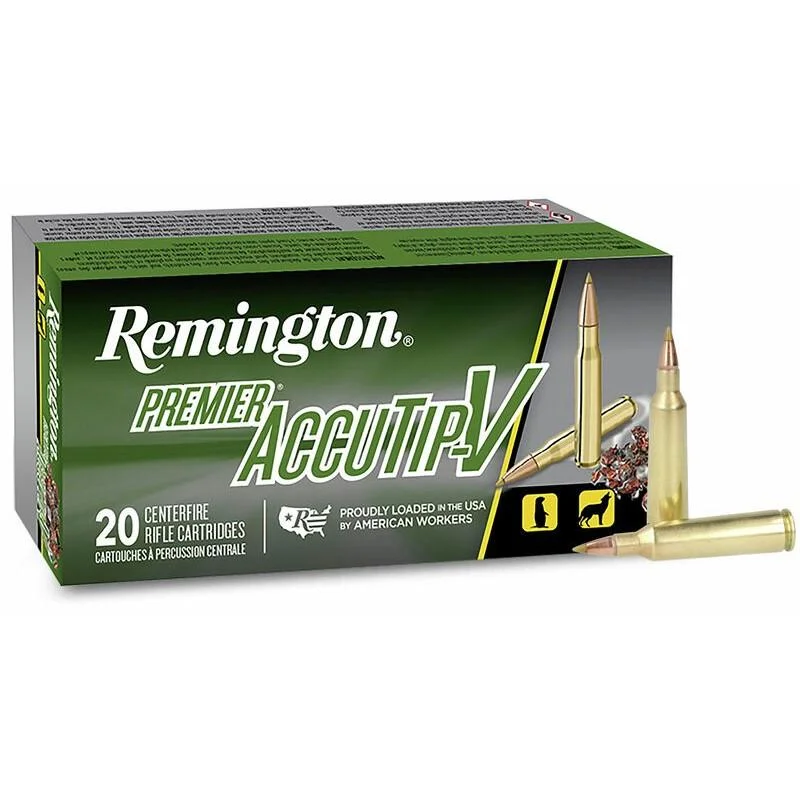
To read an ammunition box label, start with the complete cartridge or shotshell designation. It must correspond with the designation specified by the firearm manufacturer. A caliber name that looks similar is not confirmation of compatibility.
- Cartridge or gauge: Identifies the ammunition family, such as a centerfire cartridge, rimfire cartridge, or shotgun gauge.
- Bullet or payload weight: Rifle and handgun bullet weight is commonly listed in grains. Shotshell payload may be listed by weight.
- Projectile type: Abbreviations may identify full metal jacket, hollow point, soft point, slug, or another construction.
- Pressure or special designation: Markings such as +P, subsonic, lead-free, or match are meaningful parts of the product description.
- Package quantity and lot number: These identify how many cartridges are included and the production lot.
- Shotshell details: Look for gauge, shell length, shot size or slug type, payload, and shot material.
When comparing products in the ammunition category, use the firearm’s owner’s manual and manufacturer documentation as the primary compatibility references. Treat every firearm as if it is loaded. Keep the muzzle pointed in a safe direction.
Start With the Complete Cartridge Designation
The largest text on a handgun or rifle ammunition box is usually the cartridge designation. This may include a number, a unit, a name, and sometimes a suffix. Read the complete designation rather than focusing on only the diameter number. Cartridge names are often nominal descriptions, and cartridges with similar numbers can have different case dimensions, pressure specifications, or firearm requirements.
The barrel, receiver, or other manufacturer-designated location on a firearm commonly carries a cartridge marking. The owner’s manual provides the fuller compatibility reference. When shopping for ammunition for handguns or rifles, compare the entire box designation with the firearm manufacturer’s information. Informal cartridge nicknames and retailer shorthand should not replace that comparison.
Boxes may also identify ammunition as centerfire or rimfire. That describes the cartridge’s ignition system, but it does not by itself establish compatibility. Visual similarity also does not establish that two cartridges are interchangeable.
Understand Bullet Weight, Construction, and Performance Data
Handgun and rifle boxes commonly list bullet weight in grains, often abbreviated gr or grs. Grains are a unit of weight, not a reference to the amount of powder. Two loads with the same cartridge designation can use different bullet weights and constructions.
Projectile abbreviations describe bullet design. Common examples include FMJ for full metal jacket, JHP for jacketed hollow point, SP for soft point, and OTM for open-tip match. Terminology can vary among manufacturers, so the box legend or product description is the better source when an abbreviation is unfamiliar.
A label may list velocity or energy. These figures typically reflect the manufacturer’s test conditions, and actual results can vary with the firearm and environmental conditions. Performance data does not replace the cartridge designation when determining compatibility.
Markings such as +P, subsonic, lead-free, frangible, or match provide additional load information. A pressure suffix is part of the load’s full identity. The firearm manufacturer’s documentation determines whether a particular pressure designation is appropriate. Keep your finger off the trigger and outside the trigger guard until your sights are on the target and you have decided to shoot.
How to Read a Shotgun Ammunition Label
Labels for shotguns include several details that must be read together. The gauge or bore designation identifies the general shotshell family. Shell length is another compatibility detail and should be compared with the shotgun manufacturer’s chamber marking and owner’s manual.
For shot loads, the box may list shot size, payload weight, shot material, and velocity. Shot size describes the pellets according to the labeling system used for that load; it is separate from gauge and shell length. The box may also distinguish buckshot from smaller shot types. A slug load will identify the projectile as a slug and may state its design or weight.
Terms such as target, field, hunting, or defense may communicate the manufacturer’s intended market, but they do not replace the technical specifications. The practical shopping decision begins with gauge and shell length, followed by projectile or shot type and any firearm-specific requirements. Be sure of your target and what is beyond it.
Check Secondary Markings Before Choosing a Box
Smaller print can contain useful information. The package quantity states how many loaded cartridges or shells are included. A lot number identifies a particular production batch and can be relevant when reviewing manufacturer notices or discussing a product with the manufacturer.
The label may also identify case material, primer type, projectile material, country of manufacture, or whether the product is factory-loaded or remanufactured. Barcode and catalog numbers are inventory identifiers; they are not substitutes for the cartridge specifications printed elsewhere on the package.
A component package from the reloading category is different from a box of complete ammunition. A box marked as bullets or projectiles contains components rather than loaded cartridges. Component weight and diameter markings therefore should not be interpreted as a complete ammunition designation.
Before making a selection, the core comparison is straightforward: complete cartridge designation or shotshell specifications, projectile weight and type, pressure or special markings, and manufacturer documentation for the firearm. Package warnings and product-specific instructions provide additional information about that particular load.
Browse BT Gun Company’s ammunition selection to compare cartridge designations, bullet weights, projectile styles, and shotshell specifications using the label-reading points in this guide.