
How Do You Replace a Worn Magazine Spring? A Practical Guide
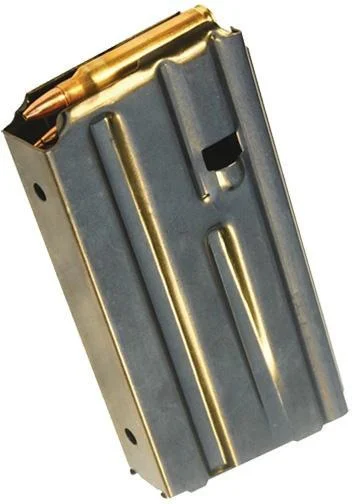
Quick Answer
To replace a worn magazine spring, first identify the magazine’s exact manufacturer, model, caliber, capacity, and generation or variant. Springs that look similar are not necessarily interchangeable. Obtain an original-equipment or manufacturer-specified replacement from a reputable source, such as the BT Gun Company Magazines category.
Treat every firearm as if it is loaded. Before cleaning or inspecting a firearm, unload it, remove the magazine, lock the action open, and visually and physically check that the chamber is empty.
- Read the magazine manufacturer’s disassembly instructions.
- Remove the floorplate using the specified method. The spring is compressed beneath it and may release parts abruptly.
- Remove the floorplate insert, spring, and follower while noting their orientation.
- Inspect and clean the magazine body, follower, and floorplate.
- Install the compatible spring in the same orientation specified by the manufacturer.
- Reinstall the follower, floorplate insert, and floorplate.
- Check the empty magazine for smooth follower movement and secure floorplate engagement.
If the tube, feed lips, follower, or floorplate is cracked, bent, heavily corroded, or otherwise damaged, replacing only the spring may not restore reliable function.
Confirm That the Spring Is the Likely Problem
A feeding problem does not automatically mean the spring is worn. Similar symptoms can come from a dirty magazine body, damaged feed lips, an incorrect follower, incompatible ammunition, or a magazine that does not match the firearm’s exact variant.
Possible spring-related signs include a follower that rises sluggishly, inconsistent upward pressure, cartridges sitting at an unusual angle, or failure of the follower to operate the firearm’s last-round hold-open feature. None of these signs proves that the spring is the only problem, so inspect the complete magazine before ordering parts.
Look for cracks, dents, spreading or deformation around the feed lips, heavy corrosion, and damage to the floorplate locking surfaces. Compare the suspect magazine with a known-correct magazine of the same model when possible. If the body or feed lips are damaged, complete replacement is generally more appropriate than installing a new spring.
Routine removal of ordinary residue can also resolve sluggish follower movement. Use products intended for firearm upkeep from the Cleaning & Maintenance category, following the magazine and product manufacturers’ directions. Avoid leaving excess lubricant inside a magazine because it can collect debris or contaminate ammunition.
Choose an Exactly Compatible Replacement Spring
Magazine springs are model-specific components. Compatibility may depend on the firearm platform, magazine manufacturer, caliber, capacity, tube length, follower design, and product generation. A spring advertised for one magazine family should not be assumed to fit another merely because its dimensions appear close.
Check markings on the magazine body and compare the part description with the manufacturer’s documentation. When selecting replacement components from Gun Parts, confirm whether the spring is sold alone or as part of a kit containing a matching follower, insert, or floorplate.
Spring orientation also matters. Some designs have visibly different upper and lower ends, while others attach to the follower or floorplate insert in a particular way. Photographing or writing down the original arrangement before removal can provide a useful reference, but the manufacturer’s diagram should remain the controlling source.
Do not stretch the old spring in an attempt to restore it. Stretching does not correct material fatigue and can change the spring’s dimensions or operating characteristics. Likewise, cutting coils or substituting an unverified spring can create fit and function problems.
Disassemble, Replace, and Reassemble
Place the empty magazine on a clear work surface and consult its instructions. Common magazines use a removable floorplate retained by an insert or locking tab, but some are pinned, staked, welded, or otherwise not intended for routine disassembly. If the manufacturer does not authorize disassembly, seek assistance from a qualified gunsmith or replace the magazine.
- Remove the floorplate: Follow the manufacturer’s specified release method. Remember that the spring is compressed beneath the floorplate.
- Remove the internal parts: Withdraw the insert, spring, and follower in sequence. Keep track of which end of the spring faces the follower.
- Inspect the components: Check the follower for cracks, excessive wear, or binding. Examine the inside of the tube and the floorplate’s locking surfaces.
- Clean as directed: Remove residue with materials approved by the manufacturer. Let all components reach the condition specified in the instructions before assembly.
- Install the new spring: Connect it to the follower or insert if the design requires it, maintaining the documented orientation.
- Reassemble the magazine: Return the components to the tube and reinstall the floorplate until its locking feature is fully engaged.
Small bench tools and maintenance items may be found in Accessories, but use only tools appropriate for the magazine’s construction. Marring, cracking, or deforming the body during disassembly can make the entire magazine unsuitable for service.
Check the Empty Magazine and Decide Whether to Replace It
After assembly, inspect the empty magazine. The follower should move through its intended travel without sticking and should return fully under spring pressure. Confirm that the follower has the correct orientation and that the floorplate and retaining insert are seated as shown in the manufacturer’s instructions.
If the maker provides an empty-magazine function-check procedure, follow it exactly. Treat every firearm as if it is loaded. Before cleaning or inspecting a firearm, unload it, remove the magazine, lock the action open, and visually and physically check that the chamber is empty. Do not perform any check with live ammunition unless it is part of qualified instruction at an appropriate facility.
Stop and reassess if the follower binds, the spring twists, the floorplate will not lock, or the assembled magazine differs from the manufacturer’s diagram. Recheck spring orientation and part compatibility rather than forcing components together. A qualified gunsmith can evaluate a magazine when its construction or condition is uncertain.
Store serviceable magazines where they are protected from impact, contamination, and corrosion; suitable options are available under Cases & Storage. When a damaged magazine cannot be restored with the correct components, replacing it is the practical choice.
Browse BT Gun Company’s Magazines category for replacement magazines and compatible components for your firearm platform.