
How Should You Store a Holster Between Uses? A Practical Guide
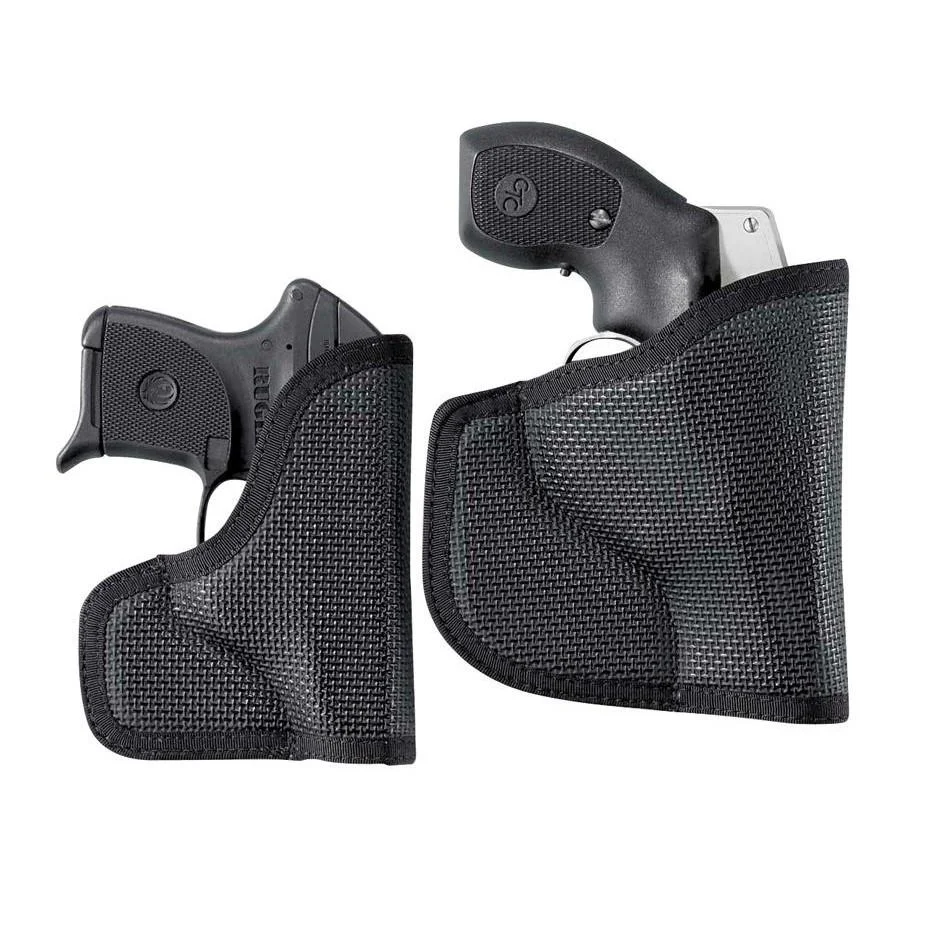
Quick Answer
Store a holster empty, clean and completely dry in a climate-controlled location. Choose a shelf, drawer or suitable storage case where the holster will not be crushed, sharply folded or exposed to direct sunlight, excessive heat, moisture or household chemicals.
- Leather: Preserve its natural shape without stretching it. Avoid sealing damp leather in plastic, and use conditioners only when approved by the manufacturer.
- Kydex or molded polymer: Keep it away from heat and heavy objects that could distort the shell or alter retention.
- Nylon: Let it dry fully, store it without tight folds and keep hook-and-loop surfaces free of lint.
- Hybrid designs: Follow the care requirements of every material, paying particular attention to the leather, fabric or padded backing.
Before putting the holster away, look for loose hardware, cracks, torn stitching, damaged belt attachments or debris inside the body. Do not apply oil, solvent, threadlocker or adhesive unless the holster manufacturer recommends it. Keep removable hardware together, and record adjustable retention settings if the holster may be disassembled.
Choose a Dry Location That Protects the Holster’s Shape
For routine storage, select a clean indoor location with stable temperature and humidity. A drawer or shelf often works well when it gives the holster enough room to remain in its normal shape. Avoid stacking heavy equipment on top of it or forcing it into a compartment that bends the shell, belt loops, wings or mounting hardware.
Areas such as damp basements, hot vehicles, attics and spaces near heating equipment can expose materials to moisture or temperature extremes. Direct sunlight may also affect some finishes and fabrics over time. If you use a container, confirm that the holster is dry before closing it. Use moisture-control products only according to their manufacturer’s directions.
Keep the holster separate from leaking oil bottles, cleaning solvents and other chemicals. A dedicated bin or divided organizer from the broader accessories category can help prevent contact with tools and loose parts. Small screws, spacers or alternate belt attachments should be labeled so they remain matched to the correct holster.
Adjust Storage for Leather, Kydex, Nylon and Hybrid Holsters
Leather Holsters
Leather benefits from airflow and support without excessive pressure. Do not flatten it beneath other equipment or overfill the opening with an improvised object. If the maker recommends a form for maintaining shape, use only the specified type. Avoid general-purpose oils or heavy conditioner applications, which may soften leather or affect retention. Follow the maker’s cleaning and conditioning schedule.
Kydex and Molded Polymer Holsters
Molded holsters depend on their shape for fit and retention. Store them away from strong heat sources and avoid leaving them under weight. Check adjustable screws, rubber spacers and belt attachments before storage, but do not overtighten or modify them. If threadlocker is recommended, use only the type and amount identified in the manufacturer’s instructions.
Nylon and Fabric Holsters
Remove surface dust according to the care label and let fabric dry naturally before storage. Avoid tight folding that places a permanent crease in the holster body or retention strap. Close hook-and-loop tabs gently to reduce lint buildup, or follow the manufacturer’s recommended storage position.
Hybrid and Light-Bearing Holsters
With mixed-material designs, let the most moisture-sensitive component guide storage. Keep padded or leather backings dry while protecting the molded shell from heat and pressure. Holsters made for specific lights and lasers should remain labeled with their compatible configuration because similar-looking models may not share the same fit.
Clean and Inspect the Holster Before Storage
Routine care makes developing problems easier to notice. Use a soft cloth or brush only when permitted by the manufacturer, and consult the maker before applying any cleaner. Supplies intended for firearm care are not automatically suitable for leather, fabric or molded holsters, so check product compatibility when browsing cleaning and maintenance items.
Inspect the holster body, stitching, rivets, screws, belt loops, clips and retention components. Look for cracking, stretching, sharp edges, missing hardware or material that could interfere with the intended fit. A holster with questionable damage should be set aside until its manufacturer or a qualified professional can evaluate it.
The applicable safe-handling reminders are:
- Treat every firearm as if it is loaded.
- Keep the muzzle pointed in a safe direction.
- Keep your finger off the trigger and outside the trigger guard until your sights are on the target and you have decided to shoot.
- Before cleaning or inspecting a firearm, unload it, remove the magazine, lock the action open, and visually and physically check that the chamber is empty.
Make the Next Use Simple
Before closing the drawer or container, note which firearm model and accessory configuration the holster is designed to fit. Retain the manufacturer’s packaging or identification label when practical. If retention is adjustable, recording the approved setting can reduce unnecessary adjustment later. Never assume that a similar firearm or accessory combination will fit correctly.
At the next use, inspect the holster again and confirm fit and retention according to the manufacturer’s instructions. Get qualified instruction for holster use, and check current federal, state and local law for requirements that may apply.
When you need a different material, attachment style or compatible configuration, browse the holsters available from BT Gun Company.