
How Should You Store Ammunition Safely? A Practical Storage Guide
Quick Answer
Store ammunition in a cool, dry, stable location that is secured against access by children and unauthorized people. Choose a locked cabinet, safe, or suitable container from the Cases & Storage category, and follow its manufacturer’s instructions.
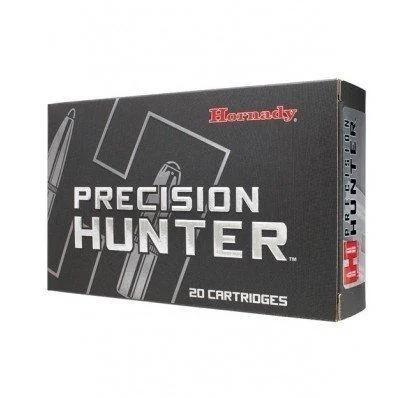
- Keep ammunition in its original packaging when practical so the caliber, cartridge designation, load information, and manufacturer remain identifiable.
- Separate different cartridges and loads to prevent mix-ups, especially when similar cartridges have comparable dimensions or markings.
- Avoid locations exposed to water, high humidity, major temperature swings, direct heat, flame, cleaning chemicals, or solvents.
- Use compatible desiccant or humidity-control products as directed, and inspect the storage area periodically for moisture or damaged packaging.
- Secure ammunition according to household needs and check current federal, state, and local law for applicable storage requirements.
If firearms are present while you organize ammunition, remember: Treat every firearm as if it is loaded. A consistent storage system makes it easier to identify what you own, rotate older stock, and isolate cartridges that show corrosion, deformation, or water damage.
Choose a Dry, Stable, and Secure Storage Location
Ammunition generally benefits from an indoor location with controlled humidity and limited temperature fluctuation. Attics, damp basements, sheds, and vehicles may experience changing conditions that can damage cartons, encourage corrosion, or affect cartridge components. Avoid placing ammunition near furnaces, open flame, plumbing that may leak, or areas vulnerable to flooding.
A locking cabinet or purpose-built container can limit unauthorized access and protect boxes from routine household damage. The appropriate level of security depends on who can enter the space, including children, visitors, contractors, or other household members. Follow the storage-container manufacturer’s instructions and confirm that shelves can support the contents without bending or becoming unstable.
A sealed container can help limit outside humidity, but it may also retain moisture already inside. Only store dry ammunition and packaging. Compatible desiccant can be useful when maintained according to its instructions, while a humidity monitor can help identify changing conditions. Do not store ammunition beside oils, solvents, or supplies from Cleaning & Maintenance; leakage or fumes may damage packaging or contaminate cartridges.
Preserve Labels and Prevent Cartridge Mix-Ups
Original factory boxes provide valuable identification, including cartridge designation, bullet information, manufacturer, and lot markings. Keeping cartridges in those boxes is preferable to placing mixed loose ammunition in an unmarked container. If an outer carton is damaged, transfer its contents to a suitable container while preserving all available identification.
Organize by cartridge designation first, then by manufacturer and load. Keep practice, hunting, defensive, and specialty loads clearly separated. Do not rely solely on bullet appearance or memory because visually similar cartridges may have important dimensional or pressure differences. Never combine unidentified cartridges with known ammunition.
Labels should be legible and securely attached. Include the full cartridge designation and relevant load information copied from the original packaging. Arrange containers so labels can be read without emptying an entire cabinet. A simple inventory can also help you track storage locations and identify older boxes for inspection without unnecessarily moving everything.
Inspect Stored Ammunition and Packaging
Periodically examine the storage area for condensation, rust on metal containers, damaged seals, pests, water stains, or softened cardboard. Check desiccant and humidity-control products according to their manufacturers’ directions. Correct the source of moisture rather than relying only on additional desiccant.
Look for visible corrosion, cracked cases, severe dents, loose projectiles, damaged primers, oil contamination, or evidence that cartridges became wet. Keep suspect ammunition separate from usable stock and retain its identifying packaging. Do not attempt to clean cartridges with oil, solvent, abrasive tools, or products intended for firearm maintenance.
Do not use ammunition that appears damaged, corroded, contaminated, or incorrectly identified. Contact the ammunition manufacturer, a qualified range, or an appropriate local disposal authority for guidance. Do not place live ammunition in a fire or ordinary household trash. Disposal requirements can vary, so check current federal, state, and local law.
Account for Magazines and Reloading Components
If ammunition is stored in magazines, keep each magazine protected from moisture, impact, dirt, and accidental mixing with an incompatible firearm or cartridge. Clearly identify the cartridge designation and follow the magazine and ammunition manufacturers’ storage instructions. Storage laws and household policies may differ, so verify the requirements that apply to you.
Handloaded ammunition requires especially careful records. Label finished cartridges with the cartridge designation, bullet, powder charge, primer, case information, and assembly date. Keep load records with the ammunition, and never mix unidentified handloads into factory boxes. Separate experimental loads from established loads.
Store powder and primers in their original manufacturer containers with labels intact, and follow every manufacturer instruction. Do not combine powders or transfer them into food, beverage, or unmarked containers. Keep components organized in a dedicated area away from heat, flame, moisture, and incompatible chemicals. Shoppers assembling a workspace can browse Reloading products while planning storage around manufacturer guidance.
For factory cartridges and other shooting supplies, browse the Ammunition category at BT Gun Company. Choose the correct cartridge for your firearm and plan a secure, labeled storage location before bringing new ammunition home.