
How to Choose a Pistol Magazine and Store It Properly
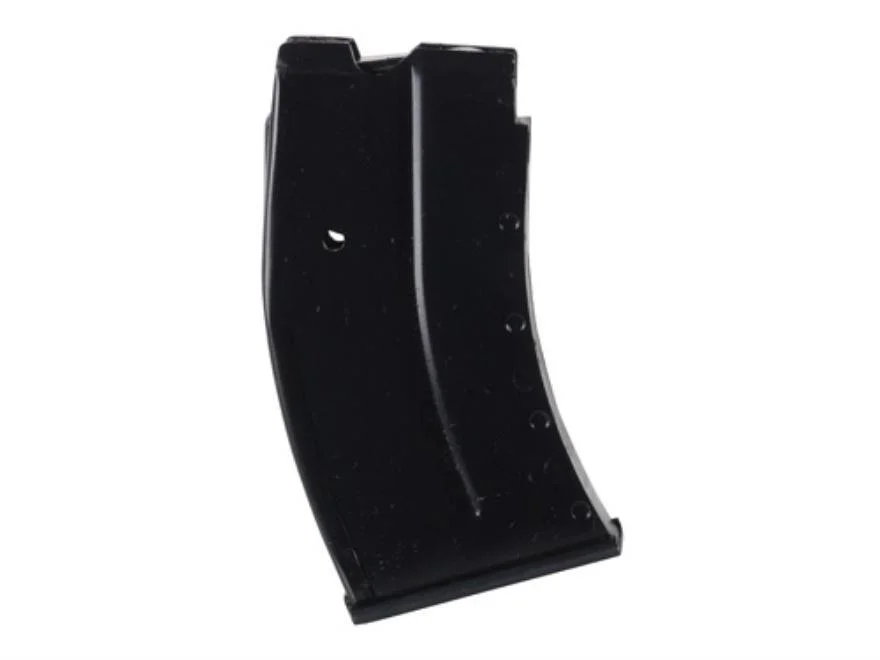
Quick Answer
Choose a pistol magazine by matching it to the exact manufacturer, model, caliber, frame size, and generation or variant of your handgun. A magazine that looks similar may have different feed-lip geometry, locking cuts, baseplate dimensions, or internal components.
- Confirm compatibility: Check the pistol owner’s manual and the magazine manufacturer’s fitment information.
- Select an appropriate capacity: Consider intended use, grip length, weight, and current federal, state, and local law.
- Compare construction: Steel, aluminum, and polymer bodies differ in weight, corrosion resistance, and impact characteristics.
- Inspect condition: Look for body damage, cracked feed lips, excessive corrosion, a damaged follower, or a loose baseplate.
- Store properly: Keep magazines clean, dry, organized, protected from impact, and inaccessible to unauthorized users.
Use only the correct ammunition specified for the pistol and magazine. Do not assume caliber markings alone establish compatibility. If specifications are unclear, contact the firearm or magazine manufacturer before use.
Treat every firearm as if it is loaded. Before cleaning or inspecting a firearm, unload it, remove the magazine, lock the action open, and visually and physically check that the chamber is empty.
Start With Exact Pistol Compatibility
The pistol’s complete model designation is the primary buying criterion. Start with the manufacturer, model, chambering, frame size, and any generation or variant. Compact, subcompact, and full-size pistols within one product family may use magazines with different lengths or locking features. Some longer magazines may fit smaller models in the same family, but that is not universal and should never be assumed.
Consult the owner’s manual, the markings on an original magazine, and the magazine manufacturer’s compatibility chart. Compare the listed part number when possible. Shoppers considering another pistol can browse handguns, but the firearm’s published specifications should remain the authority for magazine selection.
Caliber is equally important, but it is only one part of compatibility. Cartridges with similar dimensions can still require different feed lips, followers, springs, or magazine bodies. Select factory-loaded ammunition that matches the caliber or cartridge designation marked by the firearm manufacturer.
Capacity affects magazine length, weight, and grip profile. A flush-fitting magazine generally preserves the pistol’s intended grip dimensions, while an extended model may project below the grip. Check current federal, state, and local law because magazine restrictions can vary.
Compare Materials, Capacity, and Components
Magazine bodies are commonly made from steel, aluminum, polymer, or a combination of materials. Steel bodies can offer thin walls and rigidity but need appropriate surface protection. Aluminum can reduce weight, while polymer can resist corrosion and absorb some impact. The suitable choice depends on the pistol design and the manufacturer’s specifications rather than material alone.
Pay attention to the complete assembly. Feed lips control cartridge presentation, the follower moves within the body, the spring provides upward pressure, and the baseplate retains the internal components. Extended baseplates, sleeves, and floorplates must be specifically compatible with the magazine and pistol. Browse gun parts for replacement components, but avoid mixing parts unless the component manufacturer expressly identifies the combination as compatible.
Original-equipment magazines provide a straightforward reference point. Reputable aftermarket magazines can also be suitable when they clearly list the exact firearm variant. Product descriptions that say only that a magazine fits a broad pistol family deserve closer verification.
Inspect Fit and Condition Without Live Ammunition
A new or used magazine should receive a visual condition check before use. Examine the body for dents, bulges, deep corrosion, cracks, or distortion. Inspect the feed lips for visible damage and confirm that the baseplate is secure. The follower should not appear broken, severely worn, or incorrectly positioned.
Follow the firearm and magazine manufacturers’ instructions for any unloaded fit check. A compatible empty magazine should align with the magazine well and engage the pistol’s magazine catch as designed. Unusual resistance, excessive movement, or failure to engage can indicate incompatibility, damage, or improper assembly. Do not force questionable components together.
Keep the muzzle pointed in a safe direction. Keep your finger off the trigger and outside the trigger guard until your sights are on the target and you have decided to shoot.
Marking magazines with a simple identifier can help an owner track recurring issues without altering critical surfaces. If one magazine repeatedly appears damaged or unreliable, separate it from serviceable magazines and consult the manufacturer or a qualified gunsmith.
Store Magazines Clean, Dry, and Organized
Storage should protect magazines from moisture, dirt, crushing forces, impact, and unauthorized access. A divided container, fitted case, cabinet organizer, or dedicated pouch can keep feed lips and baseplates from striking other equipment. Explore cases and storage for options that match the number and size of magazines being organized.
Before storage, remove visible debris and follow the magazine manufacturer’s maintenance directions. Different body materials, finishes, and internal components may require different products. The cleaning and maintenance category includes supplies for routine firearm and magazine care. Avoid excessive lubricant because it can collect debris, and do not apply products unless they are approved for the relevant materials.
Whether magazines are stored loaded or unloaded should be based on manufacturer guidance, the owner’s access-control plan, and current federal, state, and local law. There is no single storage rule for every magazine design. If ammunition is stored in magazines, maintain clear caliber identification and use a storage arrangement that prevents unauthorized access. Periodically review stored magazines for corrosion, contamination, component damage, or mixed calibers.
Avoid loose storage in locations exposed to high humidity, major temperature swings, chemicals, or pressure from heavy objects. Keep an inventory by pistol model, caliber, capacity, and identifier so similar-looking magazines do not become mixed.
For compatible factory and aftermarket options, browse BT Gun Company’s magazines category and verify every product listing against your pistol’s exact model, caliber, and variant before ordering.