
How to Clean a Semi-Automatic Pistol Step by Step
Quick Answer
Cleaning a semi-automatic pistol involves checking the manufacturer’s manual, field stripping the firearm, removing fouling, applying the specified lubricant, and carefully reassembling it. Use cleaning products and tools that are compatible with the pistol’s materials and caliber.
Before cleaning or inspecting a firearm, unload it, remove the magazine, lock the action open, and visually and physically check that the chamber is empty.
- Read the manual: Confirm the correct field-stripping procedure, lubrication points, and product restrictions.
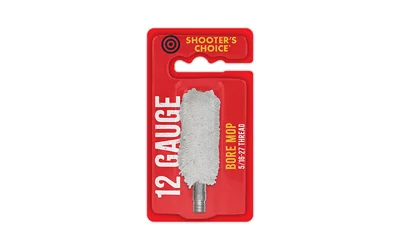
- Gather supplies: Use a caliber-correct bore tool, patches, nylon brush, lint-free cloth, approved solvent, and approved lubricant.
- Field strip: Remove only the components identified in the manufacturer’s routine maintenance instructions.
- Clean the barrel: Address the chamber and bore with compatible solvent, patches, and the appropriate brush.
- Clean the slide: Remove residue from the breech face, extractor area, rails, and accessible interior surfaces.
- Clean the frame: Wipe accessible surfaces and frame rails without disturbing internal components.
- Lubricate and reassemble: Apply the type and amount of lubricant specified by the manufacturer, then follow the manual’s reassembly procedure.
If you need fresh brushes, patches, solvent, lubricant, or a cleaning mat, compare compatible options in firearm accessories.
Gather the Correct Pistol-Cleaning Supplies
Treat every firearm as if it is loaded. Keep the muzzle pointed in a safe direction. The owner’s manual should remain your primary reference because disassembly procedures, approved chemicals, and lubrication requirements vary among semi-automatic pistols.
A practical cleaning kit normally includes a caliber-correct bore brush, jag or patch holder, cleaning rod or pull-through system, patches, a nylon utility brush, lint-free cloths, solvent, and lubricant. Choose products approved for the pistol’s finish, frame material, barrel, and other components. Follow the instructions on every chemical container.
- For routine cleaning: Field stripping, bore cleaning, wiping, and lubrication are generally sufficient when the manual identifies them as normal owner maintenance.
- For stubborn residue: Allow the approved solvent to work for the period directed by its label rather than using excessive force or abrasive tools.
- For mounted optics: Follow the optic manufacturer’s cleaning directions and avoid exposing lenses, seals, or electronics to incompatible chemicals.
- For magazines: Consult the magazine manufacturer before disassembly. Replacement or additional pistol magazines should match the firearm’s exact model and chambering.
Clean the Barrel, Slide, and Frame
Before cleaning or inspecting a firearm, unload it, remove the magazine, lock the action open, and visually and physically check that the chamber is empty. Once that process is complete, field strip the pistol in the sequence shown in its manual.
- Organize the field-stripped components. Lay out the slide, barrel, recoil assembly, frame, and any other parts identified by the manual. Routine cleaning should not become a complete detail strip unless the manufacturer directs it.
- Clean the chamber and bore. Apply an approved bore solvent to a patch or brush. Work in the direction specified by the manufacturer, replace dirty patches as needed, and finish according to the solvent and firearm instructions.
- Address barrel exterior surfaces. Wipe fouling from the barrel hood, locking surfaces, feed-ramp area, and exterior. Use a nylon brush where the manual permits it.
- Clean the slide. Remove accessible residue from the breech face, extractor recess, slide rails, and interior surfaces. Keep solvent and lubricant away from internal channels unless the manual specifically directs otherwise.
- Wipe the frame. Clean accessible frame rails and exposed surfaces with a cloth or nylon brush. Avoid removing internal fire-control components during an ordinary field cleaning.
- Inspect the components. Look for corrosion, unusual wear, cracks, deformation, or damaged springs. If a part appears questionable, compare it with the manual and consult a qualified gunsmith. Replacement gun parts must be compatible with the exact pistol model.
Lubricate, Reassemble, and Check the Pistol
Lubrication requirements are model-specific. Some pistols call for a small amount at designated rails or bearing surfaces, while others identify additional points. Apply only the product and quantity directed by the manufacturer. Excess lubricant can collect fouling and migrate into areas where it is not intended.
- Confirm that cleaned surfaces are ready for lubrication. Follow the solvent label for wiping or drying requirements.
- Lubricate specified points. Use the owner’s manual diagram rather than applying oil to every visible surface.
- Reinstall the barrel and recoil assembly. Match their orientation and seating to the manual’s illustrations.
- Reattach the slide. Follow the model-specific procedure without forcing components past unexpected resistance.
- Complete the manufacturer’s post-assembly check. Perform only the procedure prescribed in the manual. This guide does not replace model-specific instructions.
If the slide does not seat correctly, a control behaves differently, or a component remains after reassembly, review the manual or have a qualified gunsmith inspect the pistol before it is returned to service.
Choose a Cleaning Schedule and Storage Plan
There is no single cleaning interval for every semi-automatic pistol. Follow the manufacturer’s schedule while considering use, ammunition residue, exposure to moisture or debris, and the length of storage. Inspection may show that a lightly used pistol needs only wiping and lubrication, while heavier fouling requires a more complete field cleaning.
When Routine Cleaning Is Enough
Routine maintenance is appropriate when fouling is accessible after normal field stripping and the pistol shows no unusual wear or function concerns. Keep notes on the products used if the manufacturer lists finish or material restrictions.
When to Consult a Gunsmith
Seek qualified help for persistent corrosion, damaged components, unusual resistance during assembly, or maintenance that requires removing parts beyond the manual’s owner-serviceable procedure. Specialized work may require model-specific tools and knowledge.
Protecting the Pistol After Cleaning
Apply any exterior corrosion protection recommended by the manufacturer, then select an appropriate option from cases and storage. Storage products should fit the pistol and any mounted accessories without pressing against controls, optics, or finishes.
For compatible solvents, lubricants, brushes, patches, mats, and maintenance tools, browse the Cleaning & Maintenance category from BT Gun Company.