
Pump-Action vs Break-Action Shotguns: Which Is Right for You?
Quick Answer
Choosing between a pump-action and break-action shotgun comes down to capacity, simplicity, intended use, fit and maintenance preferences.
- Choose a pump-action if you want a general-purpose shotgun with a magazine, multiple shots before reloading and broad configuration options. The action depends on manually moving the fore-end to eject a fired shell and chamber the next one.
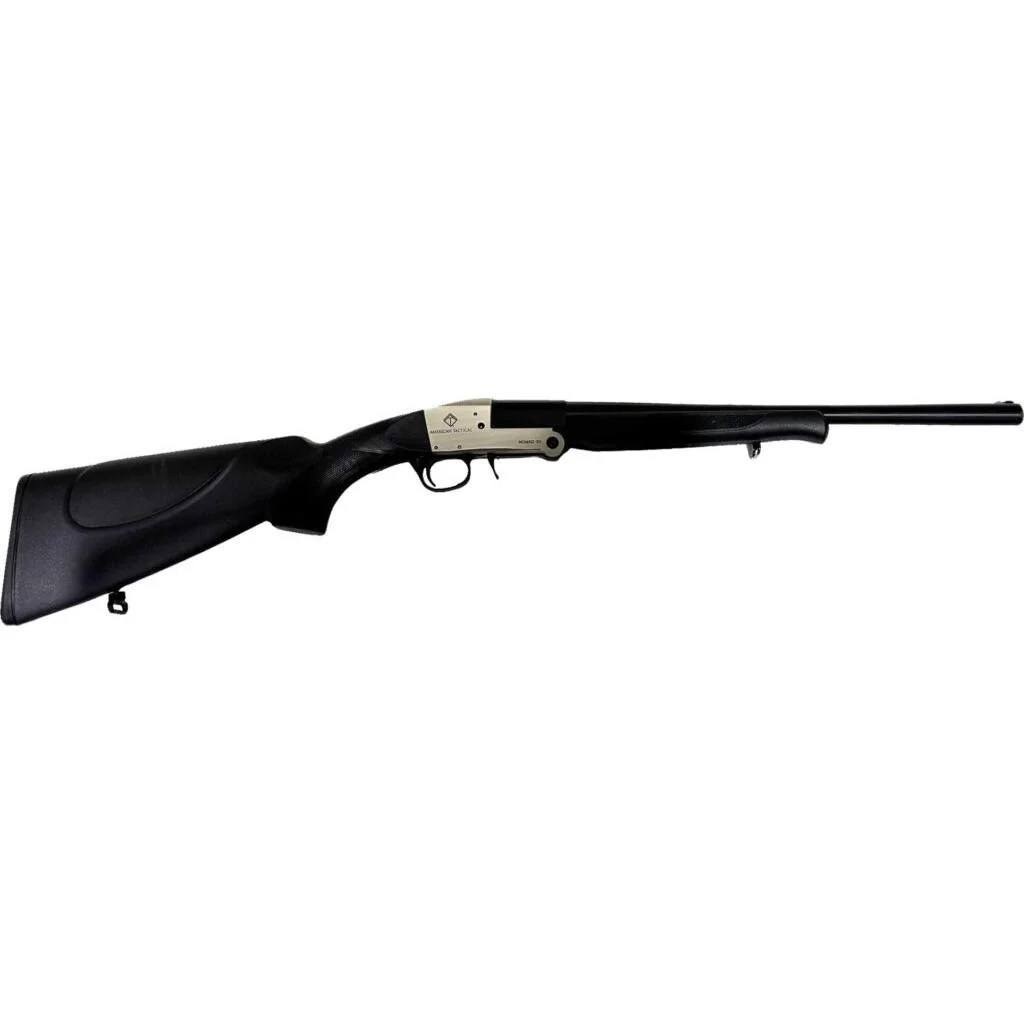
- Choose a break-action if you value a straightforward design, direct chamber access and a traditional format for hunting or clay shooting. Single-shot models hold one shell, while double-barrel models provide one chamber per barrel.
- Consider fit and ammunition before deciding. Stock dimensions, gauge, load selection and recoil-pad design can all affect comfort.
- Check model details such as chambering, choke system, controls, extraction or ejection system and accessory compatibility.
Neither action type suits every shopper. A pump may offer greater capacity and versatility, while a break-action may appeal to buyers who prefer mechanical simplicity and a focused sporting configuration. Browse available shotguns and compare each firearm’s specifications carefully.
How the Two Shotgun Actions Differ
A pump-action shotgun stores shells in a magazine and uses a sliding fore-end to operate the action. Moving the fore-end cycles the action, ejects the fired shell and feeds another shell from the magazine. Magazine capacity varies by firearm, configuration and applicable law.
A break-action shotgun opens at a hinge, exposing its chamber or chambers. Common formats include a single barrel, side-by-side barrels and over-under barrels. A double-barrel model provides two shots before it must be reloaded, while a single-shot model provides one.
The pump design can suit shoppers who want one shotgun for several roles, subject to the model’s chambering, barrel, sights and choke compatibility. Break-actions are commonly associated with field and clay use, although the right choice still depends on the individual firearm and its intended purpose.
Before purchasing either type, check current federal, state and local law. If a firearm will be transferred through a dealer, review the information about FFL transfers.
Capacity, Simplicity and Intended Use
Capacity is a major dividing point. A pump-action generally lets the user fire the shells loaded in its magazine without opening the action after every shot. A break-action is limited to one shell per barrel. Shoppers who prioritize magazine capacity may prefer a pump, while those who expect deliberate, low-volume shooting may be comfortable with a break-action.
Mechanical simplicity often favors the break-action format. Opening the action gives direct access to the chambers, and there is no tubular magazine to manage. Buyers should still compare whether a particular model uses extractors, which lift shells from the chamber, or ejectors, which expel them when the action opens.
Purpose helps narrow the decision. Pump-actions are often considered for general recreational use, hunting and utility roles. Over-under and side-by-side shotguns are frequently selected for clay games and bird hunting, while single-shot models may suit shoppers seeking a basic platform. Confirm that the model’s gauge, chambering and choke arrangement match the intended ammunition and activity. You can compare appropriate options in the ammunition category, but always follow the markings and specifications provided for the firearm.
Fit, Controls and Features to Compare
Shotgun fit can influence comfort and consistency. Compare stock length, comb shape, grip dimensions, recoil-pad design and control placement. Perceived recoil can vary with firearm fit, gauge, ammunition load and action design, so avoid choosing by action type alone.
For pump-actions, compare fore-end dimensions, safety location, magazine configuration, sighting system and choke compatibility. Some models are configured for a narrow purpose, while others accept a broader selection of compatible components. Confirm compatibility rather than assuming parts interchange between models.
For break-actions, consider barrel arrangement, trigger configuration, safety placement, rib style, choke system and extractor or ejector operation. Double-barrel shotguns may also provide different choke constrictions between barrels, depending on the model.
Cases, recoil pads, choke tools and other accessories should be selected for the specific firearm. A properly fitted case can also protect the shotgun during storage and transportation; options are available under Cases & Storage.
Maintenance and Final Decision Checklist
Pump-actions and break-actions have different maintenance access points and component layouts. Break-actions provide direct access to the chambers when opened, while pump-actions include a magazine, fore-end assembly and additional action components. Consult the firearm’s manual for its approved maintenance schedule, lubrication points and disassembly limits.
Before cleaning or inspecting a firearm, unload it, remove the magazine, lock the action open, and visually and physically check that the chamber is empty.
Suitable supplies can be found in Cleaning & Maintenance. Use products intended for the firearm’s materials and finish.
- Pick a pump-action when magazine capacity, general-purpose configuration and repeat-shot capability are priorities.
- Pick a break-action when direct chamber access, a focused sporting format and straightforward construction matter more.
- Compare individual models for fit, chambering, choke system, controls and maintenance requirements.
- Plan for the complete setup, including compatible ammunition, storage and cleaning supplies.
Treat every firearm as if it is loaded. Keep the muzzle pointed in a safe direction. Keep your finger off the trigger and outside the trigger guard until your sights are on the target and you have decided to shoot. Be sure of your target and what is beyond it.
When you are ready to compare configurations, gauges and sporting formats, browse the BT Gun Company shotgun category and review each model’s specifications before choosing.