
What Causes Magazine Feeding Problems? A Practical Troubleshooting Guide
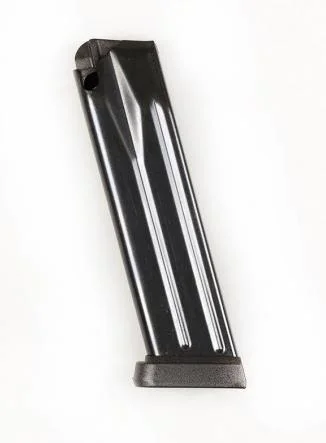
Quick Answer
Magazine feeding problems usually occur when a cartridge is not presented to the firearm at the correct height, angle, or time. Although the magazine is often responsible, ammunition and firearm components can produce similar symptoms.
Common causes include:
- Damaged feed lips: Cracks, spreading, bending, or wear can change when a cartridge is released.
- Follower or spring trouble: A binding follower, weakened or kinked spring, or incorrectly installed component can disrupt cartridge presentation.
- Dirt or physical damage: Fouling, corrosion, dents, and damaged baseplates can restrict movement inside the magazine.
- Compatibility problems: A magazine may fit the magazine well yet be incorrect for the firearm model, generation, caliber, or configuration.
- Ammunition differences: Damaged cases, unusual bullet profiles, or dimensional variation can affect feeding.
- Firearm-related issues: The magazine catch, chamber, feed path, recoil system, or other parts may create a stoppage that appears magazine-related.
If trouble occurs with only one magazine, that magazine is the likely starting point. Problems across several correct magazines point more strongly toward ammunition, maintenance, compatibility, or the firearm itself.
Treat every firearm as if it is loaded. Keep the muzzle pointed in a safe direction.
How the Magazine Itself Causes Feeding Problems
Feed lips control cartridge position and release. If metal feed lips are bent or spread, or polymer feed lips are cracked, chipped, or worn, the top cartridge may sit too high, too low, or at the wrong angle. Possible results include nose-down stoppages, premature release, or more than one cartridge attempting to move into position.
The follower must move freely through the magazine body. Dirt, rough surfaces, dents, corrosion, or a damaged follower can make it drag or tilt. Spring problems can also reduce consistent upward pressure. Causes may include wear, damage, incorrect installation, or replacement parts that do not match the magazine design.
Baseplates, extensions, and internal limiters can affect reliability when they do not fit correctly. Changes to one component may also alter spring support or follower travel. Factory configuration details and the magazine manufacturer’s instructions are useful reference points before parts are changed.
Magazine compatibility deserves equal attention. Sharing a cartridge designation or having a similar exterior shape does not establish compatibility. Model revisions, magazine-catch locations, feed-lip geometry, and receiver dimensions can differ. Part numbers and the firearm manufacturer’s documentation provide a more dependable match than appearance alone.
Ammunition and Firearm Issues That Look Magazine-Related
Ammunition affects how cartridges stack, rise, and enter the chamber. Damaged case mouths, deformed cartridges, inconsistent dimensions, or certain bullet profiles may feed differently even when the magazine is functioning normally. The firearm manual identifies the appropriate cartridge designation and may note ammunition limitations. Shoppers comparing factory loads can browse ammunition that matches their firearm’s documented specifications.
Handloaded ammunition adds variables involving case condition, cartridge dimensions, and component selection. Information from established component manufacturers and published loading data is essential when evaluating those variables. BT Gun Company’s reloading category includes equipment and components for shoppers who already follow established loading references.
The firearm can also create similar symptoms. Fouling in the chamber or feed path, an improperly fitted or worn magazine catch, recoil-system concerns, or damaged internal components may affect feeding. Extraction and ejection problems can leave a case in the action and be mistaken for a magazine malfunction. If several known-compatible magazines produce the same pattern, firearm inspection becomes more important than replacing magazines at random.
Before cleaning or inspecting a firearm, unload it, remove the magazine, lock the action open, and visually and physically check that the chamber is empty. Suitable supplies are available in Cleaning & Maintenance, but cleaning methods and disassembly steps should follow the firearm and magazine manufacturers’ instructions.
How to Narrow Down the Likely Cause
A useful diagnosis separates patterns rather than relying on a single stoppage. Existing observations from multiple range sessions can help identify whether the issue consistently follows one magazine, one ammunition type, or the firearm.
- Identify the scope: A problem limited to one magazine suggests damage, contamination, wear, or incompatibility. A problem shared by several correct magazines shifts attention toward ammunition or the firearm.
- Confirm exact compatibility: Compare magazine markings and part numbers with the firearm manufacturer’s documentation. Pay attention to model, caliber, capacity configuration, and product revision.
- Compare visible condition: An empty suspect magazine can be compared with an empty, known-compatible magazine of the same design. Differences involving feed lips, followers, body shape, or baseplates may reveal damage.
- Review maintenance: Residue or foreign material can restrict follower movement. The correct cleaning method and lubricant guidance depend on the magazine’s materials and manufacturer.
- Consider professional evaluation: Repeated trouble across compatible magazines, visible firearm damage, or uncertain internal wear calls for assessment by the manufacturer or a qualified gunsmith.
Symptom descriptions are clues rather than final diagnoses. A nose-down cartridge may involve spring pressure, follower movement, feed geometry, or ammunition shape. Premature cartridge release may suggest feed-lip trouble, while a bolt or slide passing over a cartridge can involve magazine position, presentation, or firearm cycling. More than one cause can produce the same appearance.
When Cleaning, Parts, or Replacement Makes Sense
Cleaning is a reasonable first consideration when an otherwise correct magazine has visible residue and no obvious physical damage. Magazine disassembly and maintenance vary by design, so the manufacturer’s instructions determine whether and how the magazine comes apart.
Some manufacturers support replacement springs, followers, or baseplates. Those components should match the exact magazine body and intended firearm. Unapproved bending, cutting, polishing, or mixing of unrelated components can change critical geometry. Compatible replacement components may be found in Gun Parts, with manufacturer documentation used to confirm fit.
Replacement is generally the clearer decision when a magazine body is cracked, deeply dented, heavily corroded, or has damaged feed lips that are not manufacturer-serviceable. Replacement may also make more sense when correct parts cannot be identified or recurring trouble remains after approved maintenance.
Keep records of which magazine produced a recurring problem, along with the firearm and ammunition involved. Distinguishing individual magazines makes patterns easier to discuss with the firearm maker, magazine maker, or gunsmith without assuming every stoppage has the same cause.
When it is time to compare factory and compatible replacement options, browse the BT Gun Company selection of magazines by firearm platform, caliber, capacity, and manufacturer specifications.