
What Is a Pressure Switch for a Weapon Light? A Practical Buying Guide
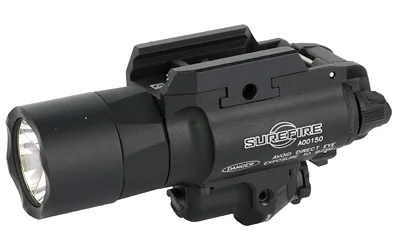
Quick Answer
A pressure switch for a weapon light is a remote control that lets the user activate a firearm-mounted light from a separate position on the firearm. It usually connects to the light through a replacement tailcap, cable, or integrated plug. The control may be mounted to a rail, handguard, or another manufacturer-approved location.
Common configurations include:
- Momentary activation: The light stays on only while the pressure pad is pressed.
- Constant activation: A button or latching control keeps the light on until it is pressed again.
- Combined controls: Some switches provide separate momentary and constant-on functions.
- Dual-device controls: Certain models operate a compatible light and laser from one switch assembly.
A pressure switch can provide more flexible control placement than a standard tailcap button, but compatibility is critical. The plug, tailcap, electrical design, cable length, mounting system, and available rail space must match the light and firearm setup.
Before buying, confirm the exact light model and review the switch manufacturer’s compatibility list. Do not assume similar-looking connectors are interchangeable. Shoppers can compare compatible assemblies in the Lights & Lasers category.
How a Weapon Light Pressure Switch Works
A conventional weapon light commonly places its control button on the light’s tailcap. A pressure switch relocates that control through a wired or integrated remote assembly. Pressing the pad or button completes the light’s control circuit according to the switch design.
The term pressure switch is often used broadly, but the controls can work differently. A momentary pad generally requires continuous pressure to keep the light illuminated. A constant-on control latches electronically or mechanically, depending on the product. Combination switches provide both functions in one housing.
Some assemblies replace the original tailcap, while others plug into a compatible port. There are also switches designed specifically for light-and-laser combinations. A dual lead or multiple buttons does not automatically mean the unit will work with every device. Connector shape alone is not enough to establish compatibility.
Pressure switches are especially common on rail-equipped rifles and shotguns, where the light body and preferred control location may be separated by part of the handguard. Whether a remote switch is useful depends on the firearm’s configuration, the light model, and the amount of mounting space.
Compatibility Questions to Answer Before Buying
Start with the complete manufacturer name and model designation of the weapon light. A light family may use different tailcaps, plugs, or switch standards across individual models. Check the manufacturer’s current documentation rather than relying only on a product photo or connector appearance.
Light and Tailcap Interface
Determine whether the switch includes the required tailcap or needs a separate adapter. Confirm that the light manufacturer approves the switch, tailcap, and battery configuration together. Using an unapproved electrical component can lead to unreliable operation or damage that may not be covered by the manufacturer.
Mounting Interface and Space
Switches may attach with a direct rail clamp, a molded rail holder, an adhesive-backed mount, or a hook-and-loop system. Check the required rail type, switch dimensions, nearby controls, and available mounting area. If an adapter or replacement component is necessary, browse compatible Gun Parts while verifying every fit specification.
Cable Length and Connector Design
The cable must be long enough for the intended manufacturer-approved mounting position without leaving unnecessary slack. Consider connector orientation, cable exit direction, strain relief, and whether the plug has a locking or sealing feature. A removable cable may simplify replacement, while an integrated cable reduces the number of separate connections.
Before inspecting fit or installing an accessory: Before cleaning or inspecting a firearm, unload it, remove the magazine, lock the action open, and visually and physically check that the chamber is empty. Follow the firearm, light, switch, and mount manufacturers’ instructions.
Features That Affect Everyday Use
Control layout is one of the main differences among pressure switches. A large momentary pad may be easy to identify by touch, while separate buttons can make momentary and constant activation easier to distinguish. Protective raised edges may help reduce accidental pressure on a control during storage or routine movement.
Mount security also matters. A dedicated rail mount generally provides a defined mechanical attachment, while adhesive or hook-and-loop systems depend more heavily on surface condition and proper installation. Confirm whether mounting hardware is included or sold separately.
Environmental ratings should be read exactly as published. Water resistance, dust resistance, impact testing, and temperature limits are not interchangeable claims. If exposure resistance matters, compare the manufacturer’s stated rating for the complete switch and connector assembly.
Cable construction deserves attention because the cable and its entry points experience movement and tension. Look for molded strain relief, protected connectors, and a cable path that does not conflict with firearm controls or removable components. Cable-management pieces may be available in the broader Accessories category.
Safe handling remains important whenever accessories are being evaluated or installed. Treat every firearm as if it is loaded. Keep the muzzle pointed in a safe direction. Keep your finger off the trigger and outside the trigger guard until your sights are on the target and you have decided to shoot.
Pressure Switch or Standard Tailcap?
A pressure switch is not automatically the right choice for every weapon light. A standard tailcap has fewer external parts, requires no remote cable, and may suit compact setups with direct access to the light. A remote switch offers more placement options but adds a cable, connector, mount, and additional compatibility requirements.
Consider a pressure switch when the original light control is difficult to reach from the desired accessory layout or when a combined light-and-laser control is specifically supported. Consider retaining the standard tailcap when simplicity, limited rail space, or reduced cable management is the priority.
Before choosing, verify:
- The exact light and switch model compatibility.
- Whether the required tailcap or adapter is included.
- The available mounting interface and space.
- The preferred momentary, constant-on, or combined control arrangement.
- The cable length, connector orientation, and manufacturer-stated environmental rating.
Follow all manufacturer instructions and seek qualified instruction for unfamiliar equipment. Check current federal, state, and local law before configuring or using any firearm or firearm accessory.
Browse BT Gun Company’s Lights & Lasers selection to compare weapon lights, pressure switches, and related compatible controls for your setup.