
What Is the Difference Between Brass-Cased and Steel-Cased Ammo?
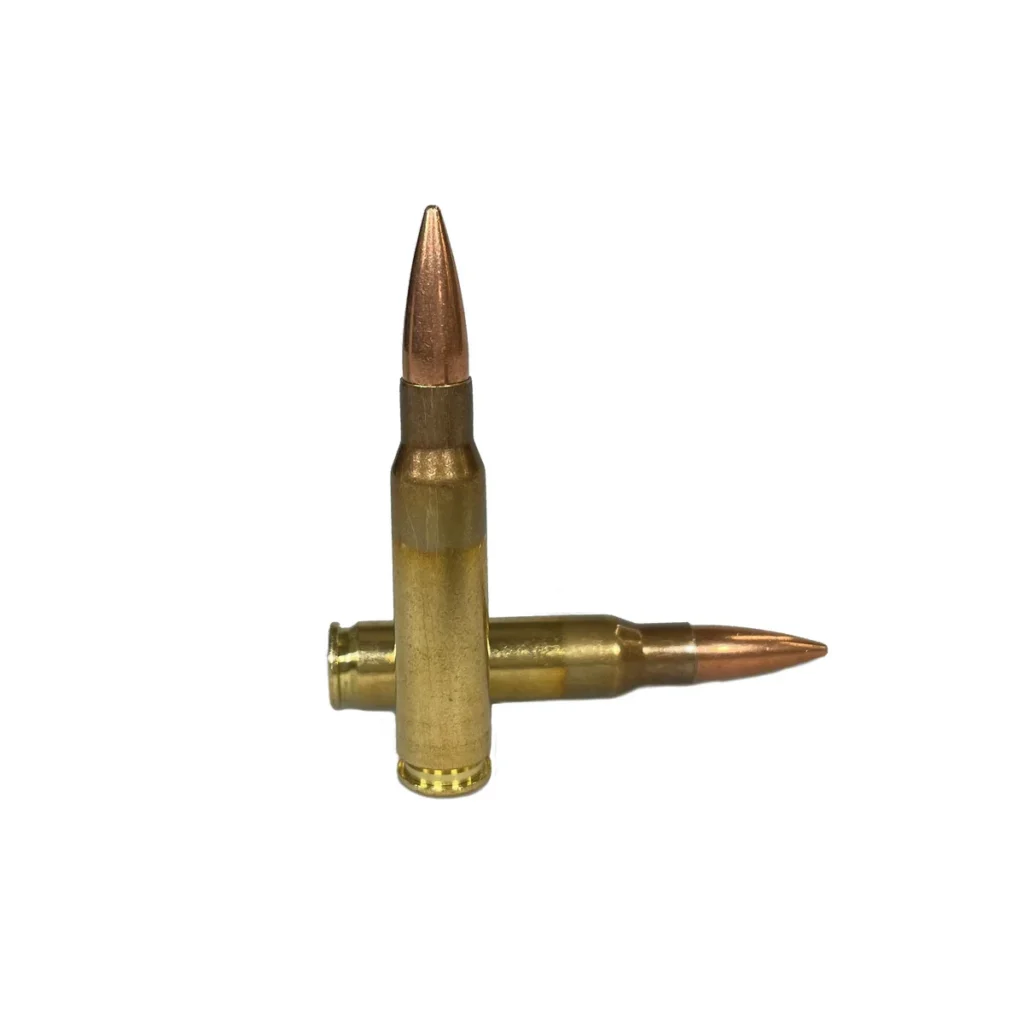
Quick Answer
Brass-cased and steel-cased ammo use different materials for the cartridge case—the component that holds the primer, powder and bullet. Case material does not change the cartridge designation, and it should not be confused with the bullet’s construction.
- Brass-cased ammo: Commonly chosen for broad firearm compatibility, corrosion resistance and potential reloadability. Many brass cases use Boxer primers, but brass does not automatically mean a case can or should be reloaded.
- Steel-cased ammo: Often selected for routine practice. It is commonly treated as single-use, and some loads use Berdan primers or other construction that does not fit a conventional reloading workflow.
- Range policies: Some facilities restrict magnetic ammunition. A magnet may react to the case, the projectile or both, so ask what the facility actually prohibits.
- Firearm compatibility: Use only the exact cartridge designation approved by the firearm manufacturer. Case material never makes a different cartridge compatible.
Neither material alone determines reliability, accuracy or cleanliness. Firearm design, ammunition specifications, primer and powder selection, storage condition and manufacturing quality all matter. Treat every firearm as if it is loaded.
How Case Material Affects Everyday Use
For many shoppers, brass is the familiar general-purpose choice. It resists ordinary storage corrosion well, is widely used across commercial ammunition lines and is the standard starting point for many metallic-cartridge reloaders. Fired brass may also have value to shooters who save cases, provided those cases are suitable for their equipment and published load data.
Steel cases can develop rust when exposed to unfavorable storage conditions or when their exterior condition deteriorates. That makes packaging condition and storage environment worth considering when choosing ammunition for extended storage. Brass can also tarnish or corrode, so neither material should be judged by color alone.
Case material is only one part of a complete cartridge. Two loads with similar-looking cases may use different bullets, primers, powders and specifications. Read the box label and cartridge designation rather than relying on case color. This is especially important when shopping for ammunition to accompany new handguns or rifles.
Reliability and Firearm Compatibility
A firearm may operate well with both case materials, show a preference for one load, or be approved only for ammunition meeting particular specifications. Consult the owner’s manual and the firearm manufacturer before purchasing. The correct caliber or cartridge marking is essential, but matching that marking is not permission to disregard other manufacturer restrictions.
It is overly simplistic to say all brass-cased ammunition is more reliable or all steel-cased ammunition is less reliable. Function can be influenced by cartridge dimensions, pressure specifications, primer characteristics, firearm design, chamber condition, extractor design and maintenance. Manufacturing quality also varies among loads that use the same case material.
Case material does not reliably predict accuracy or residue. Bullet construction, consistency, powder and the individual firearm can have a greater practical effect. If a firearm experiences recurring malfunctions with a particular load, stop using that combination and consult the firearm and ammunition manufacturers or a qualified gunsmith rather than assuming the case material is the sole cause.
Keep the muzzle pointed in a safe direction. Keep your finger off the trigger and outside the trigger guard until your sights are on the target and you have decided to shoot.
Reloading and Range-Policy Considerations
Reloaders generally favor Boxer-primed brass because common reloading tools and published data are built around it. Even then, not every brass case is appropriate for reuse. Primer type, case condition, cartridge specifications and manufacturer guidance must all be considered. Anyone interested in the process can browse reloading equipment while following established manuals and equipment-manufacturer instructions.
Steel cases are commonly considered non-reloadable in ordinary consumer workflows. Some are Berdan primed, and available tools or published data may not support them. Shoppers who do not reload may consider this unimportant, while reloaders may see recoverable brass as part of the purchase decision.
Range rules are another practical factor. Steel cases are generally magnetic, but a facility’s restriction may focus on projectile construction rather than the case. Some bullets contain steel components even when loaded in brass cases. Conversely, a magnetic case does not by itself explain what is inside the projectile. Ask the range how its policy is applied and check current federal, state and local law.
Storage, Maintenance and a Buying Checklist
Store ammunition according to the manufacturer’s guidance and preserve the original labeling so the cartridge designation and load information remain identifiable. Suitable cases and storage products can help organize ammunition and protect packaging from avoidable environmental exposure.
After selecting ammunition, follow the firearm manufacturer’s maintenance schedule. Do not assume steel-cased ammunition is always dirtier or that brass-cased ammunition eliminates cleaning needs. Residue depends on the complete load, while maintenance requirements depend on the firearm and its use. Browse cleaning and maintenance supplies appropriate for the manufacturer’s instructions.
Before cleaning or inspecting a firearm, unload it, remove the magazine, lock the action open, and visually and physically check that the chamber is empty.
Before choosing between brass and steel cases, consider:
- Whether the firearm manufacturer approves the exact cartridge and load specifications.
- Whether you intend to save cases for reloading.
- Whether your range restricts magnetic cases or projectiles.
- How long the ammunition will be stored and under what conditions.
- Whether the load’s bullet type and intended use fit your needs.
Ready to compare cartridge types, bullet configurations and case materials? Browse the BT Gun Company ammunition category and verify compatibility with your firearm’s manual before choosing a load.