
What Is the Difference Between Gun Cleaner, Lubricant, and Protectant?
Quick Answer
Gun cleaner, lubricant, and protectant perform different maintenance jobs. Some products combine these functions, but the labels are not interchangeable.
- Gun cleaner loosens and removes powder residue, carbon, old oil, dirt, and other fouling. A cleaner may leave little or no lubrication behind.
- Gun lubricant reduces friction and wear between moving surfaces. Oil and grease are common forms, and the firearm manufacturer’s manual should identify suitable products and application points.
- Gun protectant leaves a barrier intended to help guard metal against moisture, fingerprints, and corrosion during use or storage.
- Combination products may clean, lubricate, and protect in one formula. They are convenient for routine care, while dedicated products can offer more focused performance for heavy fouling, specific friction points, or longer storage.
Choose products according to the firearm manual, product label, materials involved, expected environment, and maintenance purpose. Confirm compatibility before applying any chemical to metal finishes, polymer, wood, optics, or painted surfaces.
Before cleaning or inspecting a firearm, unload it, remove the magazine, lock the action open, and visually and physically check that the chamber is empty.
What Each Firearm Maintenance Product Does
Cleaner is the removal step. General-purpose cleaners address common residue, while specialized bore or carbon cleaners are formulated for particular deposits. Stronger does not automatically mean more appropriate. A product designed for one type of fouling may be unnecessary for routine surface cleaning, and some formulas require specific contact times or follow-up steps.
Cleaner should not be assumed to provide lasting lubrication or corrosion protection. Some cleaners can remove old protective films along with residue, leaving the treated surface ready for the lubricant or protectant specified by the firearm manufacturer.
Lubricant is the friction-management step. Oils spread easily and can reach close-fitting areas. Greases tend to remain where placed and may be specified for particular contact surfaces. Application locations and amounts vary by firearm, so consult the owner’s manual rather than treating every action or component the same. Replacement components found under Gun Parts may also have manufacturer-specific maintenance requirements.
Protectant is the preservation step. It is commonly used on corrosion-prone exterior metal and other approved surfaces. A protectant is not necessarily suitable as an action lubricant, bore cleaner, or treatment for every finish.
Dedicated Products Versus All-in-One Formulas
A combination cleaner, lubricant, and protectant is often labeled CLP. It can simplify routine maintenance because one formula performs several functions. That convenience makes it useful for straightforward upkeep, compact maintenance kits, and firearms that do not have unusually heavy fouling.
Dedicated products make sense when a task needs more specialization. Heavy carbon or stubborn bore deposits may call for a purpose-made cleaner. High-friction contact surfaces may need the oil or grease identified by the manufacturer. A firearm being prepared for storage may benefit from a dedicated corrosion protectant compatible with its finish and storage conditions.
Combination formulas involve tradeoffs. A product capable of cleaning may not remain on a surface like a dedicated lubricant, while a formula optimized to protect may not remove deposits as effectively as a specialized solvent. Evaluate the product by its stated purpose rather than assuming every CLP performs identically.
Maintenance products can also migrate onto nearby equipment. Keep formulas not approved for lenses, coatings, electronics, or seals away from Optics & Sights. Use only products identified as compatible by the relevant equipment manufacturer.
How to Choose the Right Cleaner, Lubricant, or Protectant
Start with the firearm manufacturer’s manual. It may specify acceptable product types, lubrication points, prohibited solvents, and finish-care requirements. Then compare those requirements with the maintenance product’s label and instructions.
- For routine residue: Consider a general firearm cleaner or compatible combination product.
- For concentrated fouling: Select a cleaner labeled for that deposit and firearm surface.
- For moving contact surfaces: Use the manufacturer-recommended type of oil or grease.
- For storage: Look for a compatible corrosion protectant and review the instructions for both the product and your Cases & Storage equipment.
- For mixed materials: Verify compatibility with blued, stainless, coated, polymer, wood, painted, or other surfaces present on the firearm.
Consider the environment as well. Temperature, humidity, dust, and storage duration can affect whether a light oil, grease, dry-film product, or corrosion barrier is appropriate. Product labels and firearm manuals should guide that choice.
Practical Maintenance Mistakes to Avoid
Do not assume that more product means better protection. Excess material can collect residue or migrate into areas where the manufacturer does not recommend it. Follow the stated application amount, contact time, and removal instructions.
Avoid mixing maintenance chemicals unless their manufacturers explicitly state that they are compatible. Combining formulas can reduce performance or affect finishes and components. If changing products, follow label directions for removing the previous treatment.
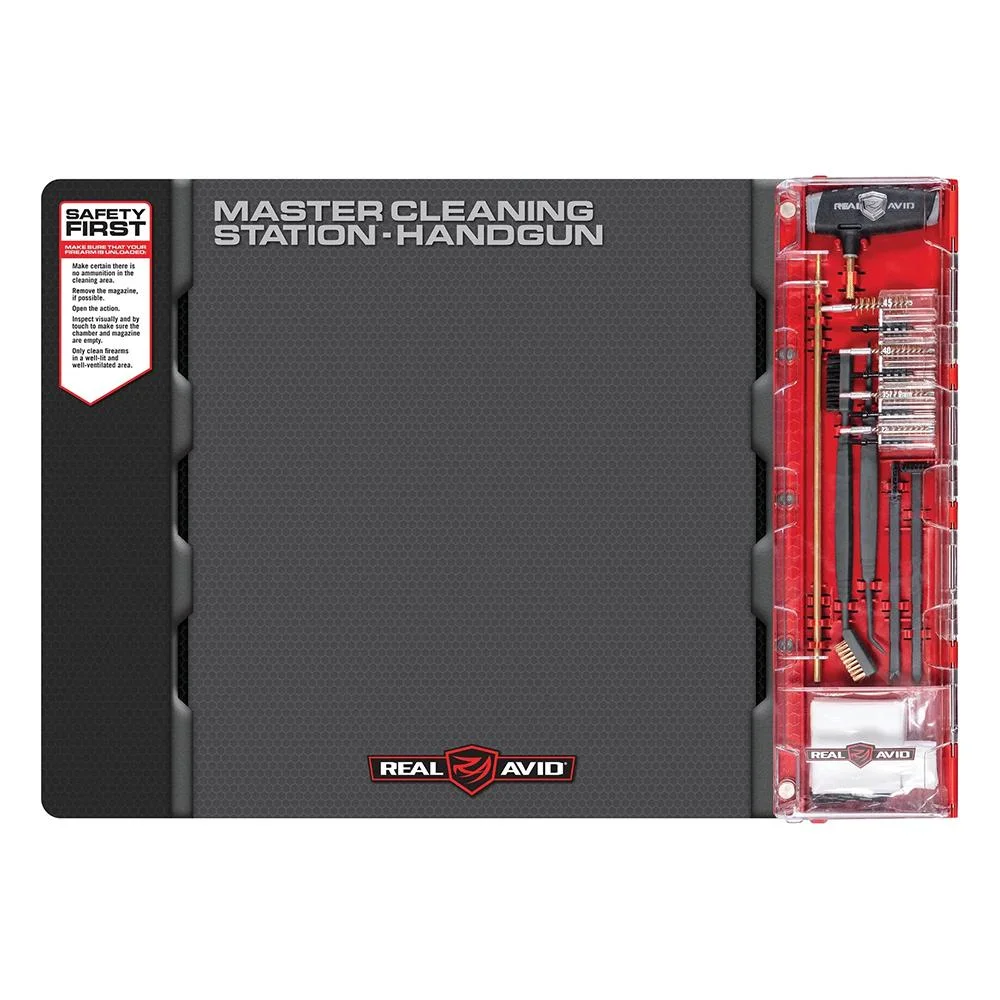
Use applicators suited to the product and task. Brushes, patches, rods, mats, and other firearm accessories should be compatible with the firearm’s surfaces. Follow all chemical-label requirements concerning ventilation, protective equipment, storage, and disposal.
Finally, record which products work with each firearm rather than relying on memory. This is especially useful when a collection includes different finishes, stock materials, actions, or optic systems.
For cleaners, oils, greases, brushes, patches, and related upkeep supplies, browse BT Gun Company’s Cleaning & Maintenance category.