
How to Choose a Cleaning Kit for Your Firearms
Quick Answer
Choose a firearm cleaning kit by matching its tools to the calibers, gauges, action types, and maintenance requirements in your collection. A useful kit should provide properly sized bore-cleaning components without including so many unnecessary pieces that identification becomes difficult.
- Confirm caliber and gauge coverage: Brushes, jags, mops, and pull-through cleaners must be correctly sized and clearly labeled.
- Check the cleaning rod: Compare one-piece and sectional designs for rigidity, storage, portability, and compatibility with your firearms.
- Look for replaceable components: Brushes, patches, swabs, and cleaning chemicals are consumable items.
- Verify material compatibility: Follow each firearm and cleaning-product manufacturer’s instructions concerning finishes, bore materials, seals, and coated parts.
- Choose an organized case: A labeled case helps keep small adapters and caliber-specific pieces separated.
A universal kit can support a varied collection, while a dedicated kit may offer a simpler setup for one frequently maintained firearm. Many owners use a general kit as a foundation and add firearm-specific tools over time.
Before cleaning or inspecting a firearm, unload it, remove the magazine, lock the action open, and visually and physically check that the chamber is empty.
Match the Kit to Your Firearm Collection
Begin with an inventory of the firearms you intend to maintain. Record each caliber or gauge and note whether the firearm is a handgun, rifle, or shotgun. The categories matter because bore length, diameter, action design, and access points can affect which tools are convenient.
For handguns, a compact rod or pull-through system may be convenient, but the kit still needs correctly sized brushes, jags, loops, or patch holders. Kits intended for rifles generally require enough rod length for the barrel and suitable rigidity for consistent use. Owners of shotguns should confirm gauge-specific brush, mop, and patch compatibility rather than relying only on a kit’s broad description.
Action type also affects the usefulness of certain accessories. A rod guide, chamber brush, angled pick, or specialized adapter may be valuable for a particular design but unnecessary for another. Consult the firearm’s manual before selecting specialized tools. If one firearm receives most of your maintenance attention, a dedicated kit can reduce sorting and setup. A mixed collection may be better served by a modular kit with clearly marked components.
Keep the standard safe-handling reminders in mind whenever firearms are present:
- Treat every firearm as if it is loaded.
- Keep the muzzle pointed in a safe direction.
- Keep your finger off the trigger and outside the trigger guard until your sights are on the target and you have decided to shoot.
- Be sure of your target and what is beyond it.
Evaluate the Rods, Brushes, Jags, and Adapters
The cleaning rod is a central part of many kits. One-piece rods offer fewer joints, while sectional rods are easier to store and transport. Compare rod length, diameter, handle design, coating, and the amount of flex. The correct choice depends on the firearm and the manufacturer’s recommended cleaning method.
Examine how the kit identifies its bore components. Brushes, jags, loops, and mops should have durable caliber or gauge markings. Similar-looking pieces can be difficult to distinguish once removed from their original packaging. A molded, labeled case or a separate organizer can prevent mix-ups.
Thread compatibility deserves attention. Cleaning accessories do not all use the same attachment pattern, and a kit may include adapters for only certain components. Confirm that replacement brushes and jags are available with threads that fit the supplied rod. If you already own cleaning equipment, determine whether the new kit can share those components or requires separate adapters.
Material selection should follow the firearm manufacturer’s guidance. Rod coatings, brush materials, picks, and solvents can interact differently with various finishes and components. Avoid choosing a kit solely because it contains a large tool count. Correct sizing, dependable connections, useful tools, and compatibility matter more than pieces you may never use. Firearm-specific items may also be found among gun parts when the manufacturer calls for a particular maintenance component.
Choose Between Universal, Dedicated, and Portable Kits
A universal cleaning kit is practical for owners with several firearm types. It can consolidate rods, handles, adapters, brushes, and patch holders into one case. Its main tradeoff is complexity: more components require better labeling and organization, and some included pieces may not apply to your collection.
A dedicated kit focuses on one caliber, gauge, platform, or firearm type. It is easier to identify the correct components and may include tools selected for that design. The tradeoff is that expanding your collection can require additional kits.
A common middle-ground approach is to purchase a well-organized general kit and add dedicated bore tools for frequently maintained firearms. This allows replacement of individual consumables without duplicating every handle, tray, or utility tool.
Portability is another decision point. A bench kit can prioritize a rigid rod, larger containers, and an organized work surface. A compact kit can emphasize sectional rods, pull-through components, and a secure zippered or molded case. If portability matters, inspect how well the case retains small pieces when moved. Useful organizational items can also be found in the broader firearm accessories category.
Plan for Chemicals, Consumables, and Long-Term Use
A complete kit may include solvent, lubricant, protectant, patches, swabs, and cloths, but included supplies should not automatically determine your choice. Review the firearm manual and each product label for approved uses and material compatibility. Products described as cleaner, lubricant, or protectant may perform different jobs, while combination products may not fit every manufacturer’s maintenance guidance.
Check whether the kit uses standard patches and commonly replaceable brushes or proprietary consumables. Standardized, clearly sized components can make replenishment simpler. Consider how much storage the case provides for replacement patches, adapters, and bottles, especially if the collection includes several calibers or gauges.
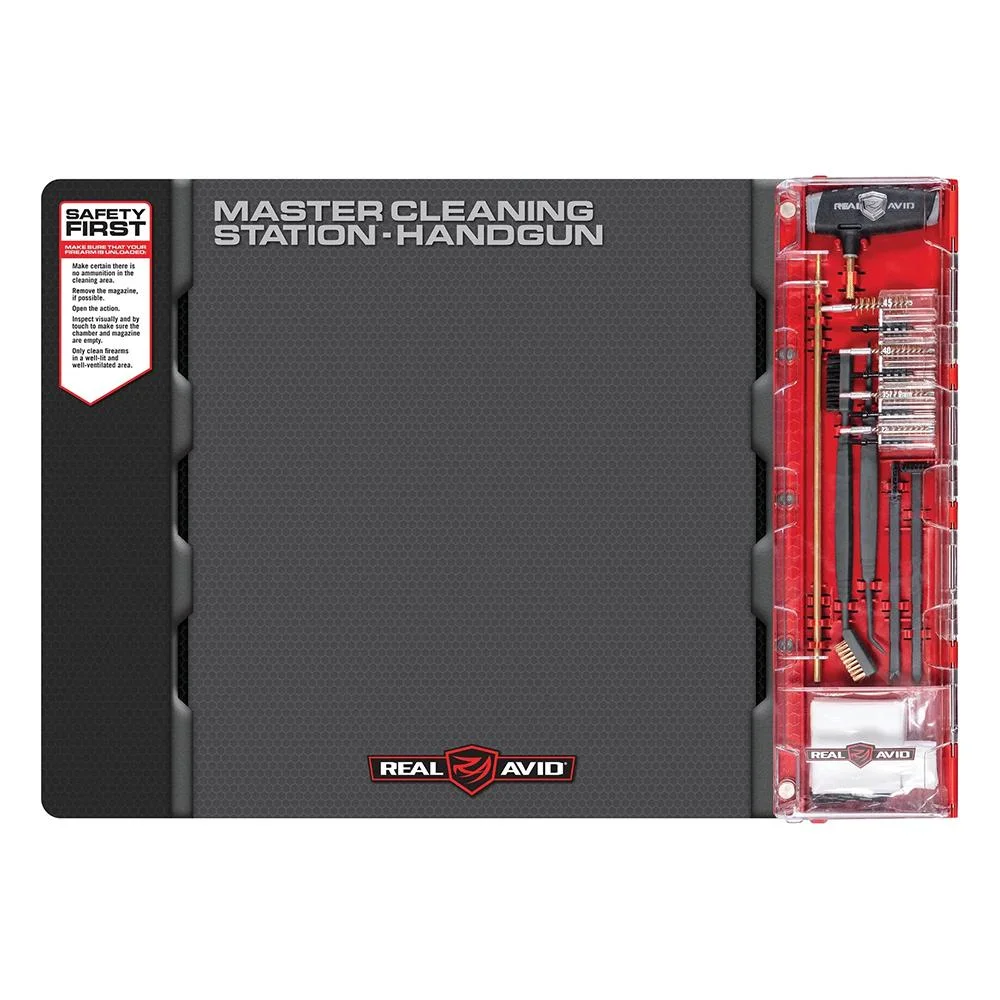
Small details improve long-term usefulness. Look for secure bottle storage, labeled compartments, durable hinges or zippers, and space for a manual or maintenance notes. A mat or parts tray can help organize removable components, but it does not replace firearm-specific instructions or correctly sized bore tools.
Before purchasing, compare the kit’s component list against your actual collection and remove unnecessary features from consideration. The right kit is the one that supports the firearms you own, accepts suitable replacement components, and stays organized enough for consistent maintenance.
Browse BT Gun Company’s Cleaning & Maintenance category to compare kits, tools, consumables, and firearm-care accessories for your collection.