
What Is Copper Fouling and How Do You Remove It Safely?
Quick Answer
Copper fouling is the thin layer of bullet-jacket material that can remain inside a firearm’s bore after firing. Heat, pressure, and friction can deposit copper on the lands and grooves as a jacketed bullet travels through the barrel. Small amounts are common, but heavier buildup may contribute to reduced accuracy, changing group location, or more difficult cleaning.
Copper fouling is different from carbon and powder residue, although the deposits can overlap. A normal bore cleaner may remove carbon without fully dissolving copper.
- Start with a copper-removing solvent that the firearm and barrel manufacturers consider compatible.
- Use a properly sized cleaning rod, jag, patches, and bore guide where appropriate.
- Follow the solvent label’s application and dwell-time directions.
- Repeat only as directed, then remove the solvent and protect the bore according to the firearm manual.
Before cleaning or inspecting a firearm, unload it, remove the magazine, lock the action open, and visually and physically check that the chamber is empty.
Avoid mixing cleaning chemicals or allowing solvent to remain in the bore longer than directed. BT Gun Company’s Cleaning & Maintenance category is a practical starting point for compatible rods, patches, brushes, and solvents.
What Causes Copper Fouling?
Most copper fouling comes from jacketed bullets. As a bullet moves through the bore, microscopic surface irregularities can scrape or transfer jacket material onto the steel. Deposits often collect where friction is greatest, including near rough spots, tool marks, or transitions within the bore.
The amount of fouling varies with the barrel, bullet construction, ammunition, firing schedule, and previous cleaning. A smooth barrel may collect relatively little, while another barrel may show deposits more quickly. Browse the available Ammunition options when comparing bullet constructions, but remember that changing loads can also change accuracy and point of impact.
Copper deposits may appear as copper-colored streaks when viewed from the chamber or muzzle, but appearance alone is not a complete diagnosis. Carbon can cover copper, and normal reflections can resemble fouling. A bore scope offers a closer view, although many owners simply evaluate cleaning patches and changes in firearm performance.
When Does Copper Fouling Need Attention?
Not every visible trace of copper requires aggressive cleaning. Many firearms perform consistently with a small amount of bore fouling. Cleaning decisions should be based on the firearm manufacturer’s maintenance guidance, observed performance, and the bore’s condition rather than an arbitrary round count.
Consider copper removal when accuracy becomes less consistent, groups begin changing without another obvious cause, or routine carbon cleaning reveals persistent jacket deposits. Before blaming copper, inspect other possible contributors such as loose mounting hardware, damaged components, ammunition changes, or a dirty chamber. Owners shopping for replacement or maintenance-related components can review Gun Parts, while following the firearm manufacturer’s compatibility requirements.
The cleaning interval can differ between Rifles and Handguns, and it can also differ between two firearms of the same type. Avoid over-cleaning with abrasive products. Repeated aggressive scrubbing or an incorrectly sized rod can create wear rather than solve a fouling problem.
How to Remove Copper Fouling
- Read the instructions. Check the firearm manual and the directions supplied with every cleaning product. Confirm that the solvent is compatible with the bore material, finish, and nearby components.
- Gather correctly sized equipment. Use a suitable cleaning rod, jag or patch holder, clean patches, and any brush approved by the product manufacturer. A bore guide may help keep the rod aligned on firearms designed to accept one.
- Remove loose carbon first. If the chosen product instructions call for separate carbon cleaning, use the recommended cleaner before applying copper solvent. Layers of powder residue can prevent the copper remover from reaching the deposits.
- Apply copper solvent as directed. Wet the bore according to the label and allow only the stated contact time. More solvent or a longer soak is not automatically more effective and may be unsuitable for some barrel materials or finishes.
- Patch and inspect. Push clean patches through as directed until the solvent reaction and visible residue diminish. Some copper removers produce blue or green staining when reacting with copper. Brass jags or bronze brushes may also cause color on a patch, so persistent color does not always mean the bore still contains heavy fouling.
- Finish according to the manual. Remove or neutralize the solvent if the product requires it. Dry and protect the bore using products approved by the firearm manufacturer.
Do not mix solvents, oils, or other cleaning chemicals unless their manufacturers specifically state that they are compatible. Follow label directions for ventilation, protective equipment, storage, and disposal. Keep solvents away from finishes, optics, polymers, wood, and adhesives unless compatibility is confirmed.
Choosing Copper-Removal Tools and Solvents
Copper removers come in liquid, foam, paste, and combination bore-cleaner formulas. The appropriate choice depends on the firearm manual, barrel material, fouling level, and how much control you want over application. A dedicated copper solvent may suit persistent deposits, while a combination product may be convenient for routine maintenance.
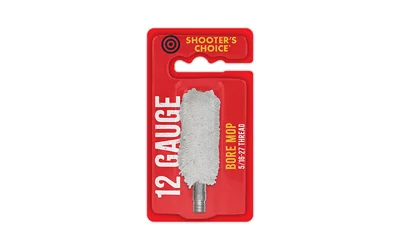
Select rods and attachments by bore diameter and firearm design. One-piece coated or non-marring rods can help limit unnecessary contact with the bore. Jags generally provide firm patch contact, while patch loops may be convenient for general cleaning. Brushes should be correctly sized and approved for both the barrel and solvent.
Avoid relying only on patch color. Evaluate whether residue is decreasing, whether the bore appears cleaner, and whether performance returns after reassembly and use according to the manufacturer’s instructions. If fouling remains severe or the bore shows possible damage, consult the firearm or barrel manufacturer or a qualified gunsmith rather than escalating to harsher abrasives.
For copper solvents, properly sized rods, patches, brushes, and other bore-care supplies, browse BT Gun Company’s Cleaning & Maintenance category.