
What Should You Bring to the Range for Your First Visit?
Quick Answer
For your first range visit, bring the equipment required by the facility, items compatible with your firearm, and a few basics that keep the trip organized and comfortable. Contact the range beforehand because check-in procedures, ammunition restrictions, target rules, and required protective equipment can differ.
- Eye and ear protection: Choose protective eyewear and suitable hearing protection. Electronic earmuffs can make conversations and range commands easier to hear.
- Your firearm and case: Use a secure case that fits the firearm and complies with the range’s check-in rules.
- Compatible ammunition: Verify the cartridge designation using the firearm’s markings and manufacturer documentation. Confirm that the range permits that ammunition type.
- Magazines: Bring compatible, clearly identifiable magazines if your firearm uses them.
- Targets: Ask whether the range provides targets or requires approved target types.
- Personal items: Bring identification requested by the facility, closed-toe shoes, a high-neck shirt, water, and any required membership or reservation information.
New shooters should consider scheduling qualified instruction rather than trying to learn range procedures alone. Follow the firearm and range manufacturers’ instructions along with all posted rules. Check current federal, state, and local law before transporting or using any firearm.
Confirm the Range’s Requirements Before Packing
A short call or website check can prevent most first-visit problems. Ask what identification is required, whether reservations or an orientation are needed, and whether the facility rents eye and ear protection. Confirm its policies on guests, age requirements, targets, firearm cases, ammunition, and bringing firearms into the building.
Some facilities restrict particular bullet materials, cartridges, firearm types, or target formats because of their equipment and range design. Do not assume that ammunition allowed at one range will be accepted at another. If you are uncertain, provide staff with the exact cartridge designation and ammunition description before your visit.
Ask how the check-in process works and where cases may be opened. Knowing the procedure in advance helps you follow staff directions without sorting through equipment at the counter. If you are renting a firearm, ask what the range supplies and what you must provide. Rental policies may affect ammunition, magazines, targets, and instruction.
Build a Firearm-Specific Range Kit
Your kit should match the firearm you plan to use. Start with a properly fitting case from the Cases & Storage category. A case with room for accessories can keep small items organized, while a separate ammunition container may make identification easier. Choose a setup that protects the firearm and follows the facility’s policies.
Bring factory ammunition bearing the exact cartridge designation appropriate for the firearm, as confirmed by its markings and manufacturer documentation. Browse Ammunition by cartridge, but always verify compatibility and range approval before use. Avoid bringing loose or unidentified cartridges.
If the firearm uses detachable magazines, pack compatible examples in good condition. Additional Magazines can reduce interruptions, but compatibility depends on the firearm’s exact make, model, caliber, and sometimes generation or configuration. Compare manufacturer information rather than relying on appearance alone.
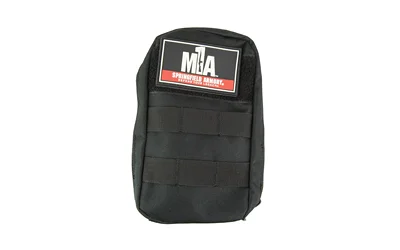
A small range bag can hold targets, tape or a stapler if permitted, lens cloths, a notebook, and basic tools specified by the firearm manufacturer. Explore Accessories for organization and range-support items. Avoid unnecessary gear on a first visit; a simple, clearly arranged kit is easier to manage.
Prioritize Protection, Comfort, and Clear Communication
Quality eye protection should fit securely and work with any prescription eyewear you use. Hearing protection should be appropriate for the range environment. Many visitors prefer earmuffs because they are easy to put on and remove, while others use earplugs or combine protective options when appropriate. Follow the product manufacturer’s instructions and the range’s requirements.
Electronic hearing protection can help you hear conversation and staff commands while reducing harmful noise according to the product’s design. Whatever style you choose, check its fit before leaving home. If it interferes with your eyewear or does not seal comfortably, select a different combination.
Wear closed-toe shoes and clothing that offers comfortable coverage. A high neckline can help prevent hot debris from becoming trapped against the skin. Avoid garments or accessories that interfere with protective equipment. Pack water if the facility permits it, but confirm where food and drinks may be kept.
If you are unfamiliar with the firearm or range procedures, arrange qualified instruction. An instructor can explain facility commands, equipment controls, and the manufacturer’s operating instructions in a supervised setting without requiring you to guess.
Use a Simple Safety and Post-Visit Checklist
Review these core reminders before entering the range:
- Treat every firearm as if it is loaded.
- Keep the muzzle pointed in a safe direction.
- Keep your finger off the trigger and outside the trigger guard until your sights are on the target and you have decided to shoot.
- Be sure of your target and what is beyond it.
Pay attention during the facility briefing and follow posted rules, staff commands, manufacturer instructions, and qualified instruction. If you do not understand a command or procedure, ask range staff before continuing.
After the visit, note which supplies you used and which items would improve your next trip. Replace damaged targets or consumables, inspect protective equipment according to its manufacturer’s directions, and organize your range bag. Residue and debris may accumulate during use, so consult the firearm manual and select appropriate products from Cleaning & Maintenance.
Before cleaning or inspecting a firearm, unload it, remove the magazine, lock the action open, and visually and physically check that the chamber is empty.
Preparing for your first range visit is easier when every item has a clear purpose. Browse BT Gun Company’s Accessories category for range bags, protective equipment, targets, and other practical additions to your first-visit checklist.