
Suppressor Transfers Without Form 4: ATF Director Signals Acceptance Pending Guidance
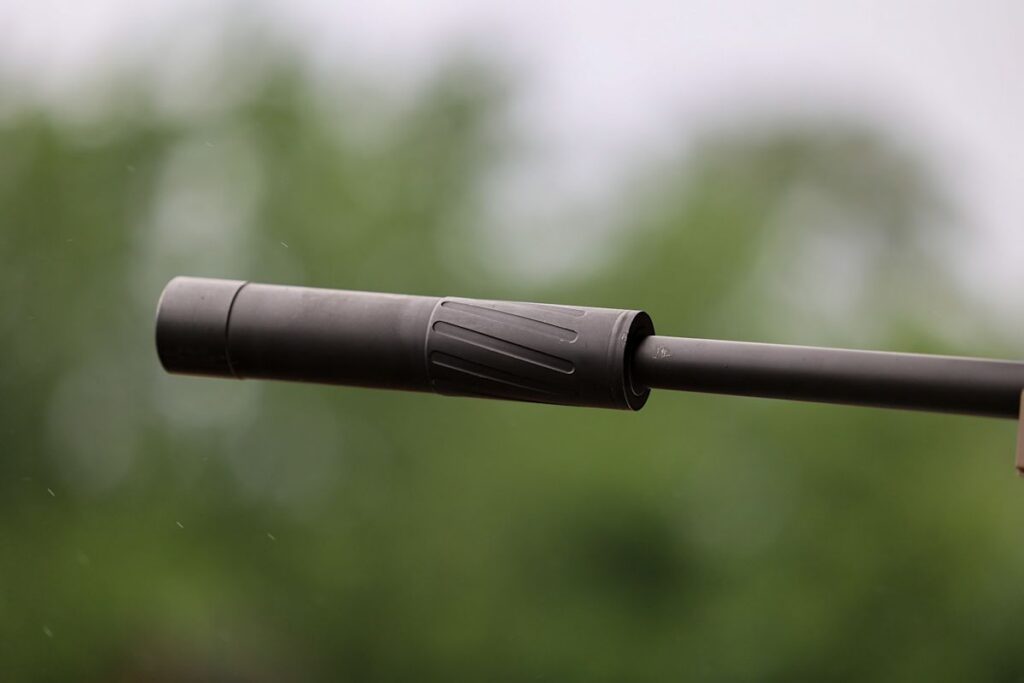
Federal suppressor policy may be entering a new phase. ATF Director Robert Cekada reportedly said agency inspectors have been instructed not to treat suppressor transfers without Form 4 paperwork as violations when a dealer completes an ATF Form 4473. The comments follow an August 5 federal district court ruling in Silencer Shop v. ATF, but important questions remain about written guidance, state restrictions, interstate transport and a possible appeal. Gun owners and every firearms dealer should therefore distinguish the reported enforcement position from a final, nationwide declaration that every suppressor transaction may proceed the same way.
What the ATF Director Reportedly Said
Cekada delivered a keynote addressing a “new era of FFL compliance” at a Dallas summit on Thursday. According to the report on the ATF director’s suppressor comments, attendees sought clarity after nearly two months of uncertainty among gun shops and suppressor buyers.
An AmmoLand News correspondent at the event reported that Cekada said ATF Industry Operations Investigators had been told not to count suppressors transferred using Form 4473 as compliance violations. These investigators inspect federally licensed businesses and review their records and procedures. The reported instruction is intended to bring ATF inspection practices into line with the district court’s decision.
That is meaningful news for an FFL dealer deciding whether to conduct suppressor transfers without Form 4 applications. It is not, however, the same as published ATF guidance, a new regulation or an appellate ruling. The source article states that ATF did not immediately confirm Cekada’s remarks after receiving telephone and email requests. A National Shooting Sports Foundation spokesperson also declined to speak on behalf of the agency.
Cekada reportedly expects the ATF to issue additional guidance within a couple of weeks. That guidance is expected to address interstate suppressor transport and states whose laws condition suppressor possession or transfers on federal registration.
How the August 5 Court Ruling Changed the Landscape
On August 5, a federal district court ruled for several gun-rights organizations and businesses that manufacture or sell suppressors. The source describes the decision as effectively removing federally defined “silencers” from the National Firearms Act’s restricted-item list. The reported compliance change comes after the NFA tax on suppressors fell from $200 to $0.
Before the ruling, an individual purchasing a suppressor generally submitted an official ATF Form 4, fingerprints and a photograph, then waited for federal approval. Although recent processing improvements had produced approvals in as little as one day in some cases, the procedure remained more burdensome than an ordinary firearm purchase.
The ruling created immediate uncertainty. Some gun stores began handling suppressor transfers without Form 4 applications by using the same Form 4473 associated with firearm purchases. Other businesses continued using the established NFA process or paused affected transactions because of the possibility that the decision could be stayed or reversed.
That caution was not necessarily opposition to deregulation. A licensed gun store must protect its customers, employees and federal license while legal questions are unresolved. NSSF Managing Director for Public Affairs Mark Oliva described the situation as confusing for everyone and advised dealers to proceed carefully. Silencer Central President and CEO Brandon Maddox also noted that the ATF is not normally positioned to interpret a judge’s ruling.
Appeal Deadline and State-Law Questions Remain
Federal litigation is still central to what happens next. CBS reported on September 17 that President Trump had instructed the Department of Justice not to appeal the decision, citing unnamed sources. According to the source article, the DOJ has until October 5 to appeal or seek a stay. Until that deadline passes—or the department publicly confirms its position—dealers should not treat the reported instruction as a final court filing.
State law is a separate concern. A federal court ruling affecting the NFA does not automatically erase state statutes governing suppressor possession, transfer or use. The source specifically identifies states that require federal suppressor registration as an unresolved category. If federal registration is no longer available or required in the same form, written guidance may be necessary to explain how those provisions interact.
Interstate transport also needs clarification. Cekada reportedly identified it as one of the subjects forthcoming ATF guidance will address. Buyers should not assume that completing a transaction lawfully in one jurisdiction guarantees lawful possession or transport everywhere else. An FFL dealer can explain its current transaction procedures, but buyers remain responsible for understanding the laws that apply at their destination.
For continuing coverage of the ruling and agency response, follow the latest firearms news from BT Gun Company. Written agency materials and court filings should carry more weight than social-media summaries or secondhand claims.
What Suppressor Buyers and Dealers Should Do Now
Gun owners interested in suppressor transfers without Form 4 paperwork should contact their chosen dealer before visiting. Each licensee must evaluate the ruling, the reported ATF inspection policy and applicable state law. One shop’s willingness to proceed does not require every other dealer to use the same process while formal guidance remains pending.
- Ask which procedure the dealer is currently using. Confirm whether the transaction will involve Form 4473, Form 4 or a temporary hold.
- Verify state and local restrictions. Federal deregulation does not necessarily preempt independent state prohibitions or registration-based requirements.
- Retain transaction records. Keep copies of documents the dealer provides and follow the dealer’s instructions concerning pickup and possession.
- Watch the October 5 deadline. An appeal or stay could materially affect the ruling’s implementation.
- Wait for written guidance when necessary. Cekada’s reported remarks are encouraging, but published agency direction should resolve more compliance details.
From a Second Amendment perspective, removing unnecessary expense, delay and paperwork from access to hearing-protection technology is a positive development. Responsible deregulation should nevertheless be implemented clearly so lawful owners and licensed dealers are not forced to guess what the government expects.
Customers who want to buy guns online, browse firearms or locate ammunition should continue using established dealer channels and complete every transaction required by current law.
Guidance Could Define the Next Era of Suppressor Sales
The reported ATF inspection policy is the clearest federal signal yet that dealers may conduct suppressor transfers without Form 4 paperwork following the August 5 ruling. It does not eliminate the need to monitor written ATF guidance, the October 5 appeal deadline or state-specific restrictions. Clear rules will protect lawful businesses while advancing the rights of responsible gun owners.
For informed service from a trusted FFL dealer, current industry coverage and help navigating lawful firearm purchases, visit BT Gun Company. Our team supports responsible ownership and keeps customers informed as federal policies affecting the Second Amendment develop.

About the Author: Jeff Brown
Jeff Brown is CEO of Fuzzy Holdings LLC and owner of BT Gun Company, a Class 7 FFL dealer since 2023. An NRA-certified Range Safety Officer who has been shooting since 1983, he teaches hunter safety at his local gun club, hunts spring and fall turkey, and has a soft spot for revolvers.